
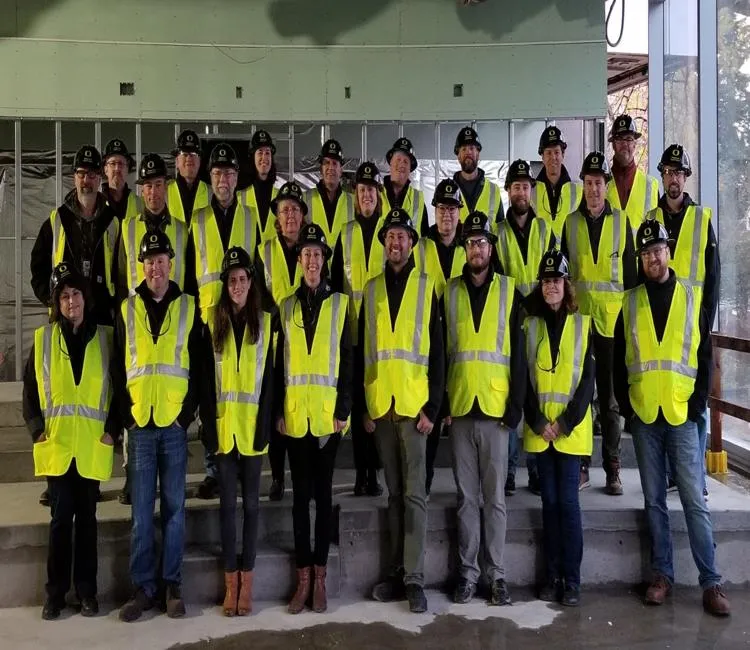
















Workers Direct: Electricians Assistant Roles in Edinburgh

Job Description: Electrician's Assistant
Location: Edinburgh
Main Responsibilities:
• Assist licensed electricians in installing, maintaining, and repairing electrical systems
• Prepare work areas and gather necessary tools and materials
• Read and interpret electrical blueprints and schematics
• Measure, cut, and bend wire and conduit
• Install electrical components such as switches, outlets, and fixtures
• Assist in troubleshooting electrical issues
• Maintain a clean and safe work environment
• Adhere to safety regulations and building codes
Required Skills & Qualifications:
• High school diploma or equivalent
• Basic understanding of electrical systems and terminology
• Ability to use hand and power tools
• Good physical fitness and ability to lift heavy objects
• Strong attention to detail and problem-solving skills
• Excellent communication and teamwork abilities
• Valid driver's license
Experience:
• Entry-level positions may not require prior experience
• 1-2 years of experience in construction or electrical work preferred
Various Electrician's Assistant Roles in Edinburgh:
1. Residential Electrician's Assistant
2. Commercial Electrician's Assistant
3. Industrial Electrician's Assistant
4. Maintenance Electrician's Assistant
5. Renewable Energy Electrician's Assistant
Pay Rates for Electrician's Assistant Roles in Edinburgh:
• Entry-level: £9 – £11 per hour
• Experienced: £11 – £14 per hour
• Specialized roles (e.g., industrial or renewable energy): £14 – £17 per hour
Pay rates may vary depending on the employer, project complexity, and level of experience.
Introduction
The role of an electrician's assistant in Edinburgh is a crucial one in the city's thriving construction and maintenance industries. As Scotland's capital continues to grow and develop, the demand for skilled electrical workers remains high. Electrician's assistants play a vital part in supporting qualified electricians, contributing to the safety and efficiency of electrical installations across residential, commercial, and industrial settings. This article will explore the various aspects of an electrician's assistant role in Edinburgh, including their responsibilities, required skills, training opportunities, career prospects, and the unique challenges and rewards of working in this dynamic field within the context of Edinburgh's vibrant economy.
Key Responsibilities of an Electrician's Assistant in Edinburgh
Electrician's assistants in Edinburgh are tasked with a wide range of duties that support the work of qualified electricians. These responsibilities may vary depending on the specific job site and the type of electrical work being undertaken. Some of the primary tasks include:
1. Preparing work areas: Assistants are often responsible for setting up and organizing the work area, ensuring that all necessary tools and materials are readily available.
2. Transporting equipment and materials: This involves loading and unloading vehicles, as well as carrying tools and supplies to and from job sites.
3. Assisting with installations: Electrician's assistants help with the installation of electrical systems, including wiring, fixtures, and other components.
4. Performing basic electrical tasks: Under supervision, assistants may carry out simple electrical work such as replacing outlets or light switches.
5. Maintaining tools and equipment: Keeping tools clean, organized, and in good working condition is an important responsibility of an assistant.
6. Cleaning up work areas: After a job is completed, assistants are typically tasked with tidying up the site and disposing of any waste materials.
7. Learning and observing: A crucial part of the role involves watching and learning from experienced electricians to gain practical knowledge and skills.
Required Skills and Qualifications
While formal qualifications are not always necessary to start as an electrician's assistant in Edinburgh, certain skills and attributes are highly valued in this role. These include:
1. Basic understanding of electrical systems: A fundamental knowledge of electrical principles and safety practices is essential.
2. Physical fitness: The job often involves lifting heavy equipment, climbing ladders, and working in challenging positions.
3. Attention to detail: Precision is crucial in electrical work to ensure safety and compliance with regulations.
4. Good communication skills: Assistants must be able to understand instructions clearly and communicate effectively with colleagues and clients.
5. Mathematics skills: Basic math is necessary for calculations related to electrical work.
6. Manual dexterity: Working with small components and tools requires good hand-eye coordination and fine motor skills.
7. Safety consciousness: A strong awareness of safety procedures and the ability to follow them rigorously is paramount.
8. Willingness to learn: As the role is often a stepping stone to becoming a qualified electrician, a keen interest in learning and developing skills is crucial.
Training and Education Opportunities in Edinburgh
Edinburgh offers various pathways for individuals interested in becoming electrician's assistants and eventually fully qualified electricians. These include:
1. Apprenticeships: Many electrical companies in Edinburgh offer apprenticeship programs that combine on-the-job training with classroom instruction.
2. Vocational courses: Institutions like Edinburgh College provide courses in electrical installation and related subjects.
3. Scottish Vocational Qualifications (SVQs): These work-based qualifications are available at different levels and are recognized throughout Scotland.
4. Short courses: Various organizations offer short courses in specific aspects of electrical work, which can be beneficial for those looking to expand their skills.
5. Online learning: Some providers offer online courses that cover the theoretical aspects of electrical work, which can be a good starting point for aspiring assistants.

Career Prospects and Advancement
Starting as an electrician's assistant in Edinburgh can lead to a rewarding and stable career path. The construction and maintenance sectors in the city continue to grow, ensuring a steady demand for skilled electrical workers. Career progression typically follows these steps:
1. Electrician's Assistant: Entry-level position, learning the basics of the trade.
2. Apprentice Electrician: Formal training period, usually lasting 3-4 years, combining practical work with theoretical study.
3. Qualified Electrician: After completing an apprenticeship and passing necessary exams, individuals can work as fully qualified electricians.
4. Specialized Roles: With experience, electricians can specialize in areas such as industrial systems, renewable energy, or building management systems.
5. Supervisory Positions: Experienced electricians may progress to roles such as team leader or project manager.
6. Self-employment: Many electricians in Edinburgh choose to start their own businesses after gaining sufficient experience and building a network of contacts.
The Edinburgh Context Unique Challenges and Opportunities
Working as an electrician's assistant in Edinburgh presents some unique challenges and opportunities:
1. Historic Buildings: Edinburgh's rich architectural heritage means that electricians often work on historic buildings, requiring specialized knowledge and techniques to maintain their integrity while updating electrical systems.
2. Modern Developments: The city's ongoing development, including new commercial and residential projects, provides diverse work experiences for electrical workers.
3. Renewable Energy: Scotland's push towards renewable energy creates opportunities for electricians to work on innovative projects such as solar panel installations and electric vehicle charging points.
4. Climate Considerations: Edinburgh's climate, with its cold winters and damp conditions, can present challenges for electrical work and requires adaptability.
5. Tourism Industry: The city's bustling tourism sector means there's constant demand for maintenance and upgrades in hotels, restaurants, and attractions.
6. Educational Institutions: With several universities and colleges, there are opportunities for electrical work in academic and research settings.
Safety and Regulations in Edinburgh's Electrical Industry
Safety is paramount in the electrical industry, and Edinburgh adheres to strict regulations to ensure the wellbeing of workers and the public. Electrician's assistants must be aware of and comply with these regulations:
1. Health and Safety at Work Act: This overarching legislation sets out the general duties for workplace safety.
2. Electricity at Work Regulations: These specific regulations govern electrical safety in the workplace.
3. Building Standards in Scotland: These standards include specific requirements for electrical installations in buildings.
4. BS 7671 (IET Wiring Regulations): This is the national standard for electrical installations in the UK, including Scotland.
5. SELECT: The trade association for the electrical contracting industry in Scotland provides guidance and promotes best practices.
Electrician's assistants in Edinburgh must be committed to ongoing learning about safety procedures and regulations, as these can be updated periodically to reflect new technologies and improved safety standards.
The Future of Electrical Work in Edinburgh
The electrical industry in Edinburgh is evolving rapidly, driven by technological advancements and changing energy needs. This evolution presents both challenges and opportunities for electrician's assistants:
1. Smart Home Technology: The increasing popularity of smart home systems creates a need for electricians skilled in installing and maintaining these complex networks.
2. Renewable Energy: Scotland's commitment to renewable energy sources means more opportunities in solar, wind, and other clean energy installations.
3. Electric Vehicles: The growing adoption of electric vehicles is creating demand for charging point installations across the city.
4. Energy Efficiency: There's an increasing focus on energy-efficient systems, requiring electricians to be knowledgeable about the latest energy-saving technologies.
5. Building Information Modeling (BIM): This digital representation of physical and functional characteristics of buildings is becoming more prevalent, requiring electricians to be familiar with this technology.
6. Continuing Education: The rapid pace of technological change means that ongoing training and education will be crucial for electricians to stay current in their field.
Conclusion
The role of an electrician's assistant in Edinburgh offers a promising start to a career in the electrical industry. With its blend of historic charm and modern development, Edinburgh provides a unique and diverse working environment for those in the electrical trade. The city's commitment to renewable energy and technological advancement ensures that the demand for skilled electrical workers will continue to grow.
For those considering this career path, it's important to recognize that success as an electrician's assistant requires a strong work ethic, a commitment to safety, and a willingness to continually learn and adapt. The role offers not just a job, but a potential lifelong career with opportunities for growth, specialization, and even entrepreneurship.
As Edinburgh continues to evolve and expand, the electrical industry will play a crucial role in shaping the city's infrastructure and energy future. Electrician's assistants are at the forefront of this exciting field, laying the groundwork for a career that is both challenging and rewarding. Whether working on historic restorations, cutting-edge smart home installations, or renewable energy projects, electrician's assistants in Edinburgh are contributing to the city's vibrant present and promising future.
FAQs – Find Electricians Assistant Roles in Edinburgh with Team Workers Direct
1. What qualifications are required for an Electrician's Assistant role in Edinburgh?
To qualify for an Electrician's Assistant role in Edinburgh, formal qualifications aren't always necessary for entry-level positions. However, basic understanding of electrical systems and tools is advantageous. Employers typically prefer candidates with GCSEs in maths and science or a related vocational certificate, such as NVQ Level 2 in Electrical Installation. For those looking to advance in the field, enrolling in an electrician apprenticeship is highly beneficial.
2. What are the typical duties of an Electrician's Assistant in Edinburgh?
Electrician's Assistants in Edinburgh provide vital support to licensed electricians. Common duties include preparing and maintaining tools and equipment, running cables, assisting with installations and repairs, and ensuring job sites meet safety standards. They may also handle basic wiring, troubleshooting, and documentation under the guidance of a qualified electrician, making them an integral part of every project.
3. What is the average salary for an Electrician's Assistant in Edinburgh?
The average salary for an Electrician's Assistant in Edinburgh ranges between £18,000 and £25,000 annually, depending on experience and the complexity of the role. Entry-level positions often start at around £16,000, while assistants with more skills or who work on specialized projects may earn higher pay. Hourly rates typically range from £9 to £12, with opportunities to earn more through overtime.
4. Are there opportunities for career progression from an Electrician's Assistant role in Edinburgh?
Absolutely! An Electrician's Assistant role is a strong gateway to building a long-term career in the electrical industry. With hands-on experience and further training, you can progress to become a fully qualified electrician, leading to well-paying roles in residential, commercial, and industrial electrical work. Many assistants also pursue advanced certifications or apprenticeships, which can open doors to supervisory or specialized positions within the field.
5. How can I find Electrician's Assistant job openings in Edinburgh?
Finding Electrician's Assistant roles in Edinburgh is easier than ever. Job listings are commonly available on online platforms like Indeed, LinkedIn, Total Jobs, and Glassdoor. You can also check local trade websites or electrical contracting companies for vacancies. Networking within the industry, joining apprenticeship programs, or visiting recruitment agencies specializing in trades can significantly enhance your chances of finding a great fit.