














The Definitive Guide: What Are The Duties And Responsibilities Of Housekeeping Staff In 2026
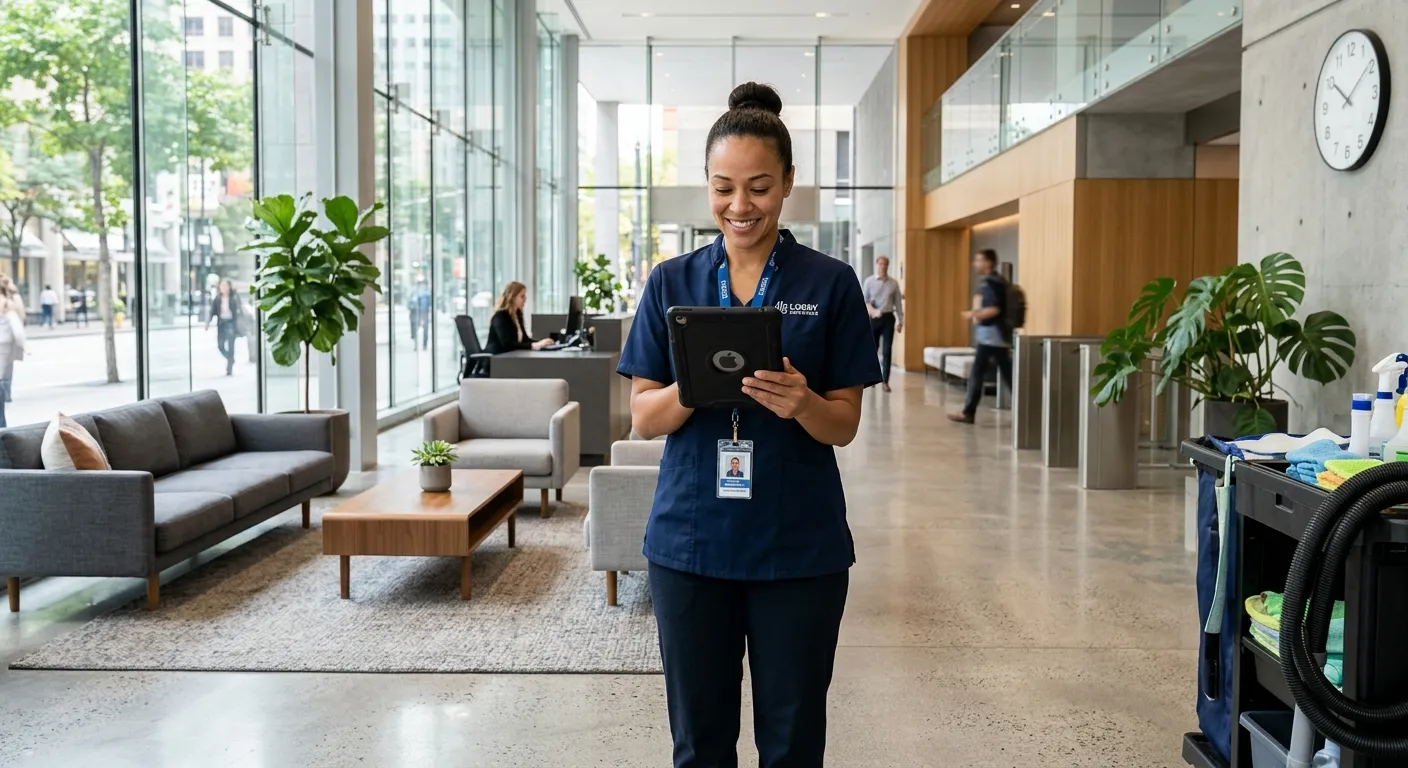
A comprehensive blueprint for employers and managers to define, optimize, and scale elite cleaning operations. Master space management in facilities management and leverage national property management staffing and recruiting for peak performance.
Core Housekeeping Staffing Categories
Understanding the distinct roles within your cleaning team is the first step to operational excellence. Use this interactive guide to explore key responsibilities.
Daily & Routine Cleaning Operations
The backbone of any facility's presentation and hygiene. These responsibilities ensure a safe, welcoming, and professional environment for occupants and visitors.
- ✓ Surface Sanitization: Meticulous cleaning and disinfection of all high-touch areas (door handles, light switches, desks, railings).
- ✓ Floor Care: Vacuuming, mopping, buffing, and stripping/waxing of hard floors; deep cleaning of carpets.
- ✓ Waste Management: Systematic collection, segregation, and disposal of recyclables and general waste.
- ✓ Restroom & Kitchen Hygiene: Deep cleaning of toilets, sinks, showers; replenishing soaps, towels, toilet paper; cleaning appliances and surfaces.
Effective execution of these tasks is non-negotiable for maintaining public health standards and requires staff trained in both technique and chemical safety. For businesses looking to scale their cleaning teams efficiently, understanding how to book temporary staff quickly is a vital skill in today's dynamic market.
Specialist & Industrial Cleaning Duties
Beyond daily upkeep, many facilities require specialized skills to handle complex or high-risk environments, from construction sites to healthcare settings.
- ✓ Post-Construction Clean-Up: Removal of debris, dust, and residues; final touch cleaning for handover.
- ✓ High-Level Cleaning: Use of specialist equipment (e.g., cherry pickers, scaffolding) to clean atriums, windows, and facades.
- ✓ Biohazard & Clinical Waste Handling: Specialized training for cleaning in labs, clinics, and healthcare facilities.
- ✓ Machinery & Plant Cleaning: Safe cleaning of industrial equipment in factories and warehouses.
Sourcing staff for these roles requires a recruitment partner with a deep talent pool. For instance, securing CSCS Cleaners in Canary Wharf or Industrial Cleaners demands specific vetting for certifications and experience.
Supervisory, Inventory & Compliance
Leadership within the housekeeping team is critical for coordination, quality control, and cost management. These roles blend soft skills with logistical expertise.
- ✓ Team Scheduling & Rostering: Creating efficient shift patterns, managing absenteeism, and ensuring coverage.
- ✓ Stock Control & Ordering: Managing inventory of cleaning chemicals, equipment, and consumables to prevent shortages.
- ✓ Quality Audits & Training: Inspecting completed work, providing feedback, and organizing training for new procedures.
- ✓ Health & Safety Compliance: Ensuring all team members follow COSHH regulations, use PPE correctly, and adhere to risk assessments.
Finding candidates with the right blend of leadership and operational knowledge is a specialized task. Our guide on Mastering Talent Sourcing provides a modern framework for identifying such supervisory talent.
The 2026 Advantage: Optimizing Housekeeping Teams
Modern housekeeping transcends cleaning. It's an integrated function of facility management that impacts cost, brand reputation, and operational continuity.
Strategic Space Management Integration
Understanding what is space management in facilities management is crucial. Housekeeping staff are the eyes and ears on the ground, reporting wear-and-tear, space utilization issues, and maintenance needs that feed into broader FM strategy.
- • Data collection on room usage and condition.
- • Supporting agile workspace reconfigurations.
- • Minimizing downtime during cleaning cycles.
Leveraging National Recruiting Networks
For multi-site operations, a fragmented hiring approach is inefficient. National property management staffing and recruiting provides a unified talent pipeline, ensuring consistent standards and rapid deployment across all your locations, from London to Glasgow.
- • Single point of contact for multi-region staffing.
- • Centralized compliance and payroll.
- • Scalability for peak seasons or new contracts.
Technology-Enabled Efficiency
The duties of housekeeping staff are now supported by IoT sensors, task management apps, and automated equipment. Staff must be adaptable, using tech to prioritize tasks, report issues in real-time, and access digital checklists.
- • Mobile apps for real-time task updates.
- • Smart dispensers for inventory tracking.
- • Data-driven cleaning schedules.
Expanding the Scope: From Task Lists to Strategic Asset
The traditional view of housekeeping as a cost center is obsolete. In 2026, a high-performing cleaning team is a strategic asset that directly influences tenant satisfaction, employee productivity, and asset longevity. This requires a shift in how we define, measure, and support their work.
The Interplay with Broader Facility Management
Housekeeping does not operate in a vacuum. Its effectiveness is intertwined with maintenance, security, and space planning. For example, a cleaner identifying a recurring leak or a damaged floor tile is performing a vital space management in facilities management function. This early-warning system prevents minor issues from escalating into major capital expenditures.
Pro-Tip: Integrated Communication
Establish a simple digital channel (e.g., a shared channel on a platform like Teams or a dedicated app) where housekeeping staff can instantly log maintenance issues, supply shortages, or safety hazards. This turns your cleaning team into a powerful sensor network for your entire facility.
Building a Resilient Staffing Model
Staff turnover and absenteeism can cripple cleaning standards. A resilient model blends permanent core staff with flexible temporary workers to handle fluctuations in workload, holidays, and sick leave. This is where a partner skilled in national property management staffing and recruiting proves invaluable.
They can provide immediate cover for unexpected gaps, as seen in our services for Cleaning Jobs in Leeds or Cleaning Jobs Sheffield, ensuring service levels never drop. Furthermore, a temp-to-perm approach allows you to evaluate a worker's performance and cultural fit before making a permanent offer, significantly reducing hiring risk.
Quantifying Performance: Beyond"Looks Clean"
Modern housekeeping responsibilities must be tied to measurable KPIs. These go beyond subjective visual checks and can include:
- ATP Meter Readings: Quantitative biological contamination levels on surfaces.
- Task Completion Rate: Percentage of scheduled tasks completed on time via digital checklists.
- Guest/Tenant Satisfaction Scores: Direct feedback via surveys linked to cleaning standards.
- Supply Cost Per Square Metre: Tracking chemical and material efficiency.
Setting these clear, measurable expectations is part of defining what are the duties and responsibilities of housekeeping staff in a performance-driven environment. For managers, tools like our Hiring Cost Calculator can help model the financial impact of different staffing strategies.
Key Takeaways for Employers
- ★ Duties are Evolving: From manual cleaning to tech-assisted, data-informed facility management support.
- ★ Integration is Key: Housekeeping insights are critical for effective space and asset management.
- ★ Flexibility Wins: A blended workforce of permanent and temporary staff offers the best resilience and cost control.
- ★ National Scale Matters: For multi-site portfolios, a national recruiting partner ensures consistency and simplifies logistics.
- ★ Invest in Training: Upskilling staff on new chemicals, equipment, and compliance (like our Housekeeping Aufgaben guide) pays dividends in quality and safety.
Ready to build or optimize your housekeeping team with a strategic partner?
Post Your Job & Hire NowFrequently Asked Questions on Housekeeping Staffing
Get expert answers to the most common questions about hiring, managing, and scaling your cleaning operations.
Proactive Communication & Reporting. While cleaning tasks are listed, the responsibility to report maintenance issues, safety hazards (like wet floors or broken tiles), and supply shortages is paramount. This duty transforms housekeeping from a reactive service into a proactive component of space management in facilities management. A cleaner who silently mops around a leak is less valuable than one who logs it for immediate repair.
National property management staffing and recruiting networks, like Workers-Direct, aggregate demand across regions, allowing them to maintain a deeper, pre-vetted talent pool in every location. If you need staff in Birmingham, they're not starting from zero; they tap into an existing national network. This leads to faster fill times, more competitive rates due to scale, and consistent vetting standards whether you're hiring in Edinburgh or Portsmouth. It also provides a single point of accountability for multi-site portfolios.
The optimal model is a hybrid "core and flex" approach. Hire a permanent core team for continuity, institutional knowledge, and leadership. Then use temporary staff to handle predictable peaks (e.g., post-event clean-ups, seasonal deep cleans) and unpredictable gaps (sickness, sudden vacancies). This maximizes flexibility and cost-efficiency. Our services for Hire Temporary Cleaning Staff are designed specifically for this purpose. Additionally, using a temp-to-perm pathway allows you to evaluate a worker before offering a permanent role.
Beyond reliability and attention to detail, prioritize: Initiative & Problem-Solving: Can they handle an unexpected spill or shortage without panic? Integrity & Discretion: They often work in empty offices or private spaces. Adaptability & Tech Comfort: Willingness to use new apps or equipment. Teamwork & Communication: Essential for coordinating with other staff and reporting issues.
Effective Candidate Screening & Selection processes are vital to identify these traits. Our proprietary Candidate Screening Strategies for 2026 blueprint details modern techniques to assess these soft skills.
Transform Your Housekeeping Operations in 2026
You now have a comprehensive understanding of what are the duties and responsibilities of housekeeping staff in the modern era. The next step is to build or optimize your team with a partner who understands the strategic value of elite cleaning staff and can execute national property management staffing and recruiting at scale.
Whether you need to fill a single vacancy in Coventry, scale a team for a new property portfolio, or find specialist elite props handlers for an event, Workers-Direct provides the talent and the expertise.
Need immediate assistance or have a complex requirement? Our national recruitment experts are ready to help you define the perfect roles and find the right talent.
Leverage our guides on Optimizing Your Hiring Process and Best Hire Employees Strategies to stay ahead.
A Day in the Life: Detailed Duty Breakdown for 2026
To move beyond generic lists, let's examine a detailed, timed workflow for a housekeeping operative in a modern corporate facility. This illustrates how technology, strategy, and core duties merge.
Morning Shift (6:00 AM - 10:00 AM): The Precision Opening Protocol
Digital Check-In & Priority Alert Review
Staff log into the facility management app. The system highlights priority zones (e.g., a boardroom booked for 8:30 AM, a spill reported overnight by security). This replaces static paper lists with dynamic, data-driven tasking.
High-Touch Surface Sanitization Blitz
Using microfiber cloths and hospital-grade disinfectant, the team systematically cleans all entry points: door handles, lift buttons, reception desks, turnstiles, and keypads. This is the first line of defence for occupant health.
Restroom & Breakout Area Deep Clean
Beyond refilling supplies, this involves steam-cleaning toilet bowls, disinfecting sinks with attention to overflow drains, and cleaning microwave interiors and fridge handles in kitchens. ATP swab tests may be performed randomly for quality assurance.
Pre-Occupancy Vacuuming & Waste Audit
Quiet, high-efficiency vacuums are used in open-plan areas. Waste bins are emptied, but staff also perform a quick visual audit of waste segregation, correcting misplaced recyclables—a key sustainability KPI.
Proactive Reporting & Space Check
As the building becomes occupied, staff shift to"spot and report" mode. Using the app, they log a flickering light in Corridor B, a stained carpet tile in Meeting Room 3 (tagging it for later deep clean), and low stock of hand towels in the east wing restroom. This is active space management in facilities management.
Technology Integration: Smart dispensers for soap and paper transmit real-time inventory levels to the manager’s dashboard, automating reordering and preventing runouts.
Afternoon & Evening Shifts: Sustained Hygiene & Project Work
The afternoon team focuses on sustaining standards during occupancy and executing planned deep-cleaning projects, while the evening shift prepares the facility for the next day.
- • Cyclical Deep Cleaning: Each afternoon, a different zone is scheduled for intensive work: carpet extraction, window cleaning, degreasing kitchen extractor fans, or sanitising soft furnishings. This systematic approach is planned months in advance.
- • Event Support & Reconfiguration: Housekeeping staff assist in rapid room turnarounds for meetings and events, moving furniture and performing post-event cleans. This requires coordination with the events team, a key soft skill.
- • Evening Reset & Security Liaison: The final shift ensures all workspaces are tidy, waste is removed, and floors are polished. They perform a final check with security, reporting any anomalies, effectively closing the facility management loop for the day.
- • Equipment Maintenance: A critical but often neglected duty. Staff clean and sanitise vacuum filters, check battery levels on floor scrubbers, and report faulty equipment, ensuring operational readiness.
Case Study: Scaling a Retail Portfolio with a National Staffing Partner
A real-world example of how strategic staffing transforms operations.
The Challenge
A UK retail chain with 42 stores nationwide managed cleaning via 25 different local contractors. This led to inconsistent standards, wildly varying costs, and operational chaos during the holiday rush when extra staff were needed. Onboarding new stores took weeks. The Facilities Director lacked visibility and control.
The Strategic Solution
The company partnered with a national property management staffing and recruiting specialist. The partner conducted a nationwide audit of requirements and implemented a unified service level agreement (SLA) for all locations. They established a core team of permanent cleaners for each store, supplemented by a flexible"float pool" of vetted temporary staff managed centrally.
- → A single online portal for all store managers to request additional cover or report issues.
- → Centralised training on brand-specific standards and new eco-friendly chemicals.
- → Consolidated invoicing and performance reporting across the entire portfolio.
The 2026 Outcome
- ✓ 22% Reduction in Overall Cleaning Costs through bulk purchasing and efficient scheduling.
- ✓ Consistent High Audit Scores across all stores, improving brand perception.
- ✓ New Store Onboarding Time Cut from 6 weeks to 5 days, as the national partner activated its local network.
- ✓ The Facilities Director now has a real-time dashboard showing cleaning performance, spend, and staffing levels nationwide, enabling true strategic space management in facilities management.
Key Insight
Housekeeping staffing was no longer a fragmented, localised cost. It became a centrally managed, scalable operational lever that directly supported business growth and brand integrity.
This case mirrors the benefits available to any multi-site operation, from healthcare trusts to property managers. The first step is auditing your current state against the duties outlined in this guide.
Beyond 2026: AI, Robotics, and the Evolving Housekeeping Role
The trajectory is clear: repetitive tasks will be augmented by automation, elevating the human role to one of supervision, machine management, and complex problem-solving.
The Rise of Cobotic Cleaning Teams
Autonomous floor scrubbers and vacuum robots are already deployed in large, simple spaces. By 2026/27, we will see"cobots" (collaborative robots) working alongside human staff. A housekeeping operative might oversee multiple autonomous scrubbers, redirecting them via tablet, while focusing their own efforts on complex sanitisation tasks and detailed touch-point cleaning.
New Duty Emerges: Cobotic Fleet Operator
Staff will need training to program, monitor, and perform basic maintenance on cleaning robots. This shifts the skill requirement from pure physical labour to technical literacy and logistical oversight.
This doesn't reduce headcount but reallocates human hours to higher-value activities, improving overall service quality. Recruitment must now screen for adaptability and comfort with technology.
Predictive Cleaning & AI-Driven Scheduling
IoT sensors will move beyond inventory to measure footfall, humidity, and even surface contamination levels. AI algorithms will analyse this data to predict when a restroom will need servicing or which meeting room requires a post-use deep clean.
- Dynamic Duty Allocation: Staff smartphones will receive real-time alerts directing them to the highest-priority area, optimising their route and workload throughout the day.
- Predictive Supply Management: The system will automatically reorder chemicals and parts before they run out, based on usage patterns and scheduled projects.
- Enhanced Compliance: Digital logs of every cleaning activity, tied to specific staff and timestamps, will automate compliance reporting for audits in healthcare and food service industries.
The responsibility of the housekeeping manager evolves into that of a data analyst and service coordinator, interpreting AI recommendations and managing a hybrid human-machine workforce. This underscores the necessity of continuous upskilling and partnerships with recruiters who understand this technological shift, ensuring your team is built for tomorrow, not just today.