















Workers Direct - Passive Fire Protection Installer in Cardiff, CF5 ‚ Build a Specialist Trade Career via a Trusted Fire Protection Recruitment Agency
Job Title: Fire Protection Installer
Location: Cardiff, CF5
Introduction
Hey folks. Let’s get straight to the point. Construction is booming, but not all trades are created equal. Some jobs offer a paycheck, while others offer a rock-solid career that actually saves lives. If you like working with your hands and want to specialize in a highly respected field, grab a brew and keep reading.
Here at Workers Direct , we are on the lookout for a dedicated Passive Fire Protection (PFP) Installer to join a major project in Cardiff, CF5. As a trusted fire protection recruitment agency, we don’t just fill shifts. We place skilled tradespeople in roles where they can actually build a future.
Whether you are a seasoned firestopper or an experienced tradesperson looking to pivot into a high-demand specialty, this is your shot. Let's talk about what this job actually entails, why Cardiff is the place to be, and how we can help you get on site.
Why Cardiff, CF5? A City on the Rise
Cardiff isn't just the capital of Wales; right now, it's a massive hub for commercial and residential development. The CF5 area, stretching from Canton over to Ely and Fairwater, is seeing serious investment. Older buildings are being retrofitted to meet modern safety standards, and new builds are popping up everywhere.
What does that mean for you? Job security.
Working in Cardiff means you aren’t traveling hours out of your way for a two-week gig. There is a sustained pipeline of work here. Plus, the local trade community is brilliant. You can check out some of the broader development news happening around the city on the Cardiff Council planning portal , but trust us—the cranes on the skyline tell the whole story.
What Actually is Passive Fire Protection?
If you are already in the PFP game, you can skip this part. But if you’re a carpenter, dryliner, or general builder looking to upskill, let’s break it down.
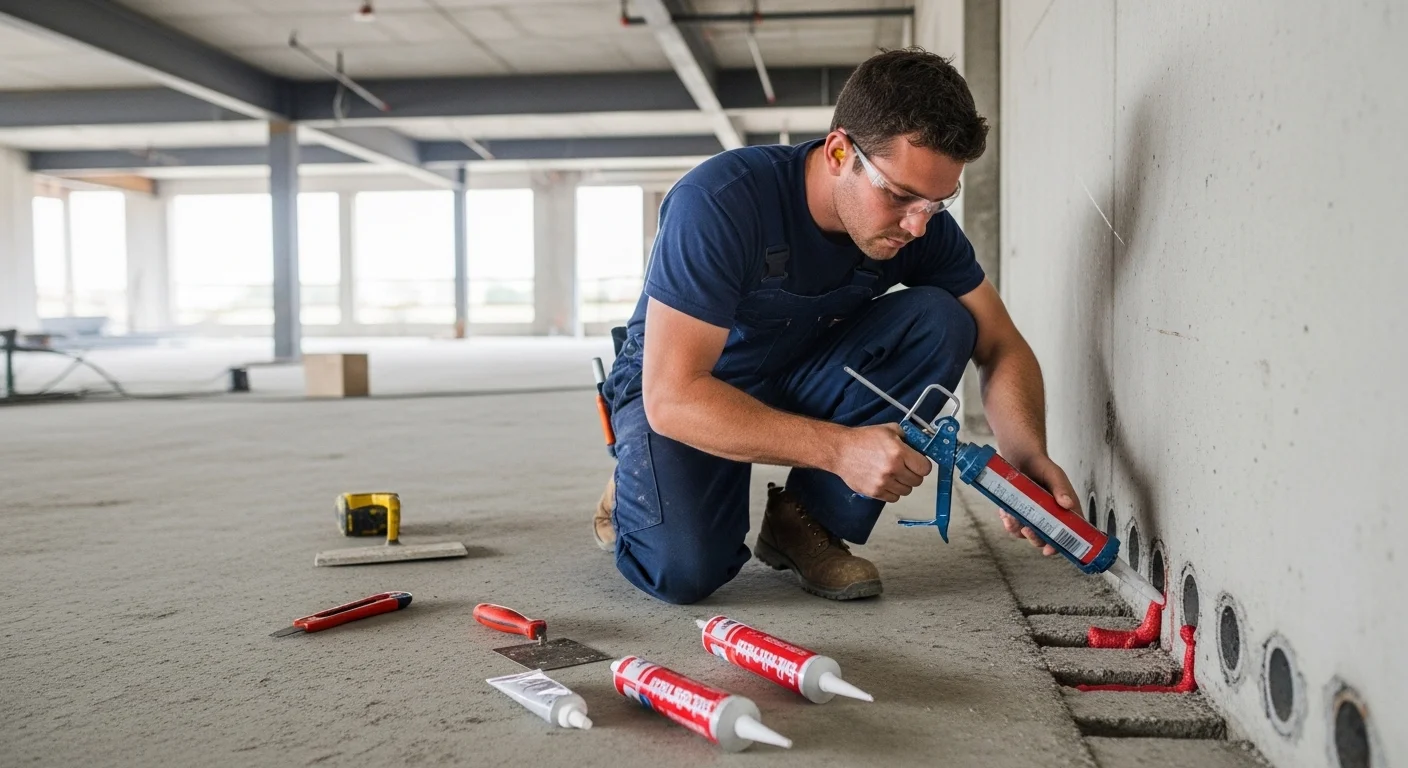
When people think of fire safety, they usually think of alarms and sprinklers. That’s active fire protection. Passive fire protection is what stops the fire from tearing through a building in the first place. It’s the fire-resistant walls, the intumescent coatings on steelwork, the fire doors, and the specialist sealants used around pipes and cables.
As a PFP Installer, you are essentially building invisible walls that contain smoke and flames. If a fire breaks out, the work you did three years ago is what gives families time to escape and firefighters time to do their job. It is serious, meticulous work, and the industry is heavily regulated by bodies like the Association for Specialist Fire Protection (ASFP) .
Who We Are: Your Trusted Recruitment Partner
Before we get into the daily grind of the job, let me introduce us properly. We are Workers Direct , one of the UK’s leading construction and specialist trade recruitment agencies.
We know the trades because we talk to tradespeople all day, every day. We know how frustrating it is to deal with agencies that don’t understand the difference between a CSCS Green Card and a Blue Skilled Worker card. We cut the nonsense. We pay on time, we advocate for our workers, and we partner with top-tier contractors who take health and safety seriously.
The Role: A Day in the Life on Site in CF5
So, what will you actually be doing when you clock in on a Tuesday morning in Cardiff?
1. Firestopping and Penetration Sealing
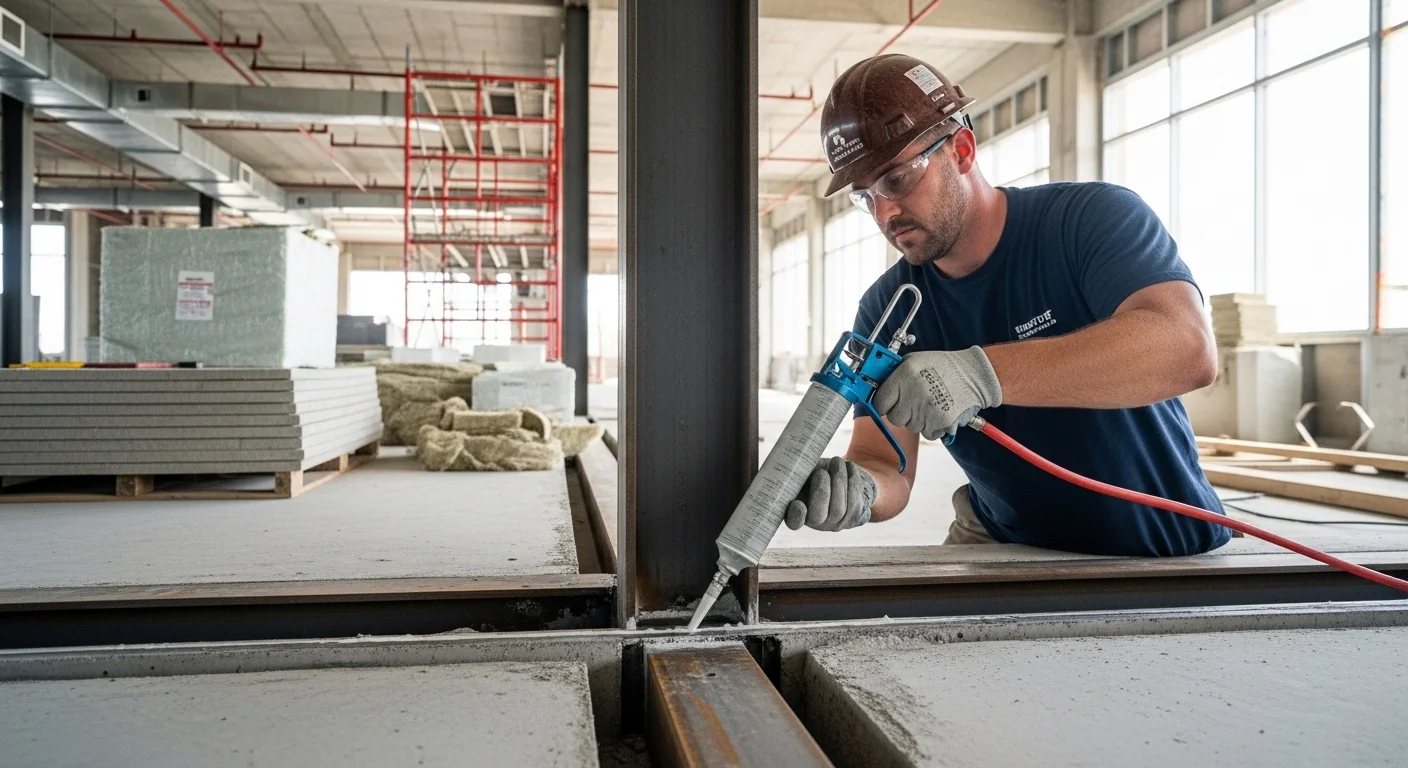
You’ll spend a lot of time working around mechanical and electrical services. When an electrician runs a cable tray through a fire-rated wall, they leave a hole. Your job is to seal that hole using specialist batt and mastic systems so that it maintains its fire rating.
2. Intumescent Coatings
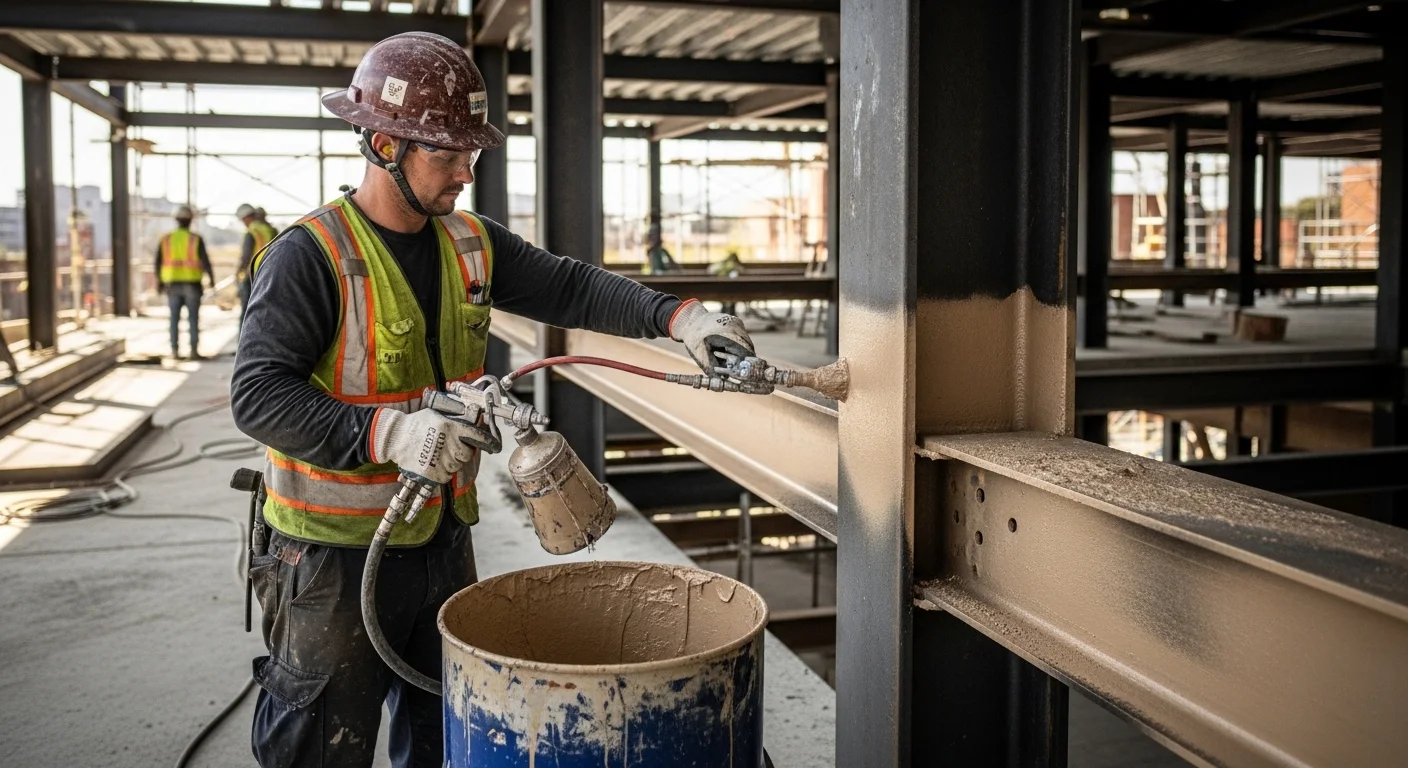
Sometimes you’ll be applying intumescent paint to structural steel. This stuff looks like normal paint, but in a fire, it expands to 50 times its thickness, insulating the steel and stopping the building from collapsing. You need a steady hand and a good eye for detail here.
3. Reading the Specs and Doing the Maths
This isn't just about slapping some sealant in a gap. You have to follow the manufacturer's specifications to the letter. It involves a bit of spatial awareness and basic math. For example, if you need to calculate the area of a gap to ensure you have enough fire batt, and the gap has a width of w and a length of L , the area is simply . Or, if you need to work out the volume of mastic for a specific depth d , you’re looking at . Knowing your numbers helps you reduce waste and get the job done right the first time.
4. Quality Assurance and Logging
Gone are the days when you could just finish a job and walk away. Modern PFP work requires strict logging. You will likely use an app on your phone to take a photo of the completed seal, log the materials used, and tag it with a unique reference number. This proves the work was done to standard.
What You Need in Your Arsenal (Requirements)
We like to keep things straightforward. To get on this site, you need to tick a few boxes:
- A Valid CSCS Card: You won't get through the site gates without it. If you need to check your status, visit the official CSCS website .
- Experience in PFP (or a strong willingness to transition): Ideally, we want someone with an NVQ Level 2 in Passive Fire Protection. However, if you have solid experience in drylining or carpentry and understand fire compartmentalization, our clients are sometimes willing to provide crossover training.
- Your Own PPE and Basic Hand Tools: You know the drill. Hard hat, hi-vis, steel toe boots, and your basic tool belt. The specialist gear (mastic guns, batts, intumescent sprays) is usually provided on-site.
- An Eye for Detail: If you are a "that'll do" kind of worker, this trade isn't for you. Lives depend on this work being perfect.
- Reliability: Show up on time. It sounds simple, but it’s the number one trait site managers ask us for.
The Perks: Why This is a Great Move
Why should you apply through Workers Direct for this specific gig?
- Top Rates of Pay: Specialist trades demand specialist pay. We negotiate hard to make sure you are getting a highly competitive hourly rate or day rate, paid weekly without fail.
- Long-Term Potential: This isn't a weekend job. This is a massive project in CF5 with months of work ahead, and the potential to move onto the contractor's next site once this one wraps up.
- Career Progression: Passive Fire Protection is heavily regulated now, more than ever. The more experience and certifications you get, the closer you get to supervisory roles, site management, or even consulting.
- No Recruitment BS: You deal with a dedicated consultant at Workers Direct who actually knows your name and understands your trade.
Let's Get You on Site
If you’re tired of bouncing from one messy site to another and want to build a career in a respected, vital trade, we need to talk. The demand for PFP installers in Cardiff is through the roof right now, and the good spots fill up fast.
Don't overthink it. Head straight over to our Contact Page , drop us your CV, or just give us a ring. Let us know you're interested in the CF5 Fire Protection role, and we’ll get the ball rolling.
Conclusion
Building a career as a Passive Fire Protection Installer in Cardiff is one of the smartest moves a tradesperson can make right now. The work in the CF5 area is plentiful, the pay reflects the specialist nature of the job, and the long-term career prospects are brilliant. Partnering with a trusted agency like Workers Direct ensures you get onto the best sites with contractors who value your skills. You bring the hard work and the attention to detail; we’ll provide the gateway to a stable, rewarding career. Get in touch today, and let's get your boots on the ground.
Frequently Asked Questions (FAQs)
1. I don't have an NVQ in Passive Fire Protection, but I've done firestopping on my carpentry jobs. Can I apply?
Yes, you absolutely should! While an NVQ Level 2 in PFP is the gold standard, many of our clients value practical, on-site experience. If you understand compartmentalization and have worked with fire batts and mastic, let us know. We can often get you on site, and some clients even sponsor your formal NVQ assessments while you work.
2. What kind of tools do I need to supply myself?
You will need your standard Personal Protective Equipment (PPE)—meaning a hard hat, high-visibility vest or jacket, and steel-toe boots. Tool-wise, bring your basic hand tools: a tape measure, a good quality utility knife, a trowel, and perhaps your own battery drill. The main contractor usually supplies the specialist firestopping materials and heavy-duty applicators.
3. Is the work in Cardiff mostly residential or commercial?
The CF5 area is seeing a real mix right now. This specific role involves a large commercial retrofit, ensuring an older building meets updated fire safety regulations. However, once you are on our books at Workers Direct, we have access to a wide variety of sites, including new-build residential blocks and industrial warehouses.
4. How quickly can I start?
If your CSCS card is valid, your references check out, and you have the right to work in the UK, we can often get you inducted and on-site within 48 hours. Construction moves fast, and we move with it.
5. How does Workers Direct handle payroll?
We know that messing with a tradesman's pay is the quickest way to ruin a relationship. We run weekly payroll. As long as your timesheets are signed off by the site manager by the weekly deadline, your money will be in your bank account every Friday, clear as day. No chasing, no excuses.