












Workers Direct: Multilingual Medical Receptionist NHS in Sheffield – Bilingual Healthcare Receptionist for NHS Clinics and Medical Centers
Sheffield's healthcare landscape is changing, and it's about time. With over 100 languages spoken across the city, NHS clinics and medical centers are facing a real challenge: how do you provide excellent care when you can't always communicate with your patients? That's where multilingual medical receptionists come in, and Workers Direct is leading the charge in connecting Sheffield's healthcare facilities with bilingual professionals who can bridge that crucial communication gap.
Let's be honest—healthcare is stressful enough without adding language barriers into the mix. When you're trying to book an appointment for a worrying symptom or explain your medication needs, you shouldn't have to struggle with translation apps or hand gestures. Multilingual medical receptionists aren't just nice to have; they're essential for delivering equitable healthcare to Sheffield's diverse communities.
Why Sheffield's NHS Services Need Multilingual Medical Receptionists
Sheffield isn't the same city it was twenty years ago. The 2021 Census showed that nearly 19% of Sheffield's population was born outside the UK, with significant communities speaking Urdu, Arabic, Somali, Mandarin, Polish, and Romanian, among many others. These aren't small numbers we're talking about—this represents tens of thousands of people who might struggle with English-only healthcare services.
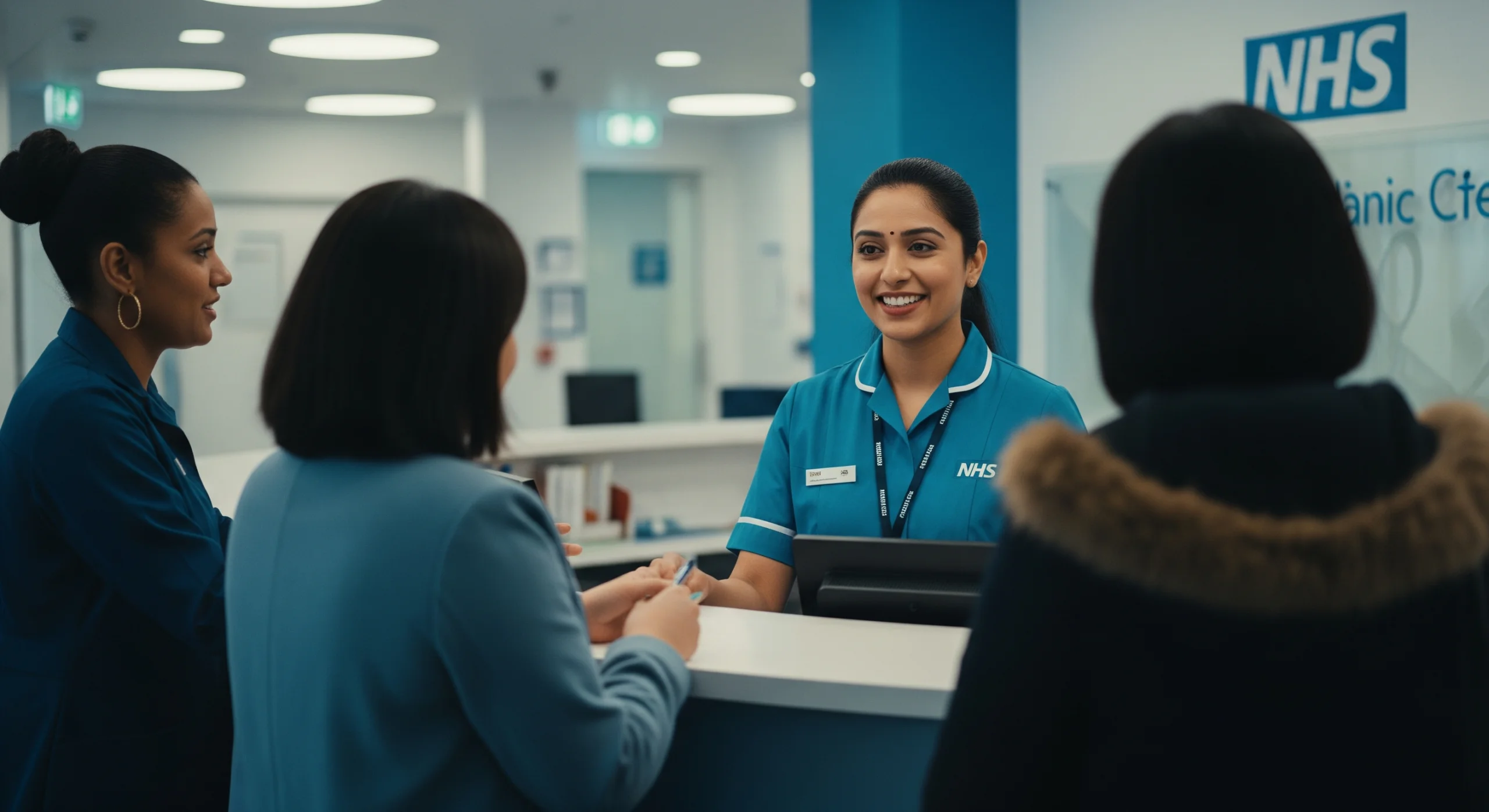
Think about what happens at a medical reception desk. It's the first point of contact, the gateway to all healthcare services. Receptionists handle appointment bookings, triage calls, collect medical histories, explain procedures, and relay important health information. When language barriers exist at this critical juncture, the entire healthcare journey becomes compromised.
Research has shown that patients with limited English proficiency often delay seeking medical care, miss appointments due to miscommunication, and experience worse health outcomes overall. They're less likely to understand their diagnoses, follow treatment plans correctly, or access preventive care services. For NHS clinics operating in diverse Sheffield neighborhoods like Burngreave, Darnall, or Firth Park, having multilingual reception staff isn't a luxury—it's a necessity for fulfilling their duty to provide equal care to all.
Workers Direct understands this reality. Their multilingual medical receptionists don't just speak multiple languages; they understand the cultural nuances that come with healthcare delivery to different communities. They know that effective communication goes beyond mere translation—it requires cultural competence, sensitivity, and an understanding of how different communities interact with healthcare systems.
The Role of Bilingual Healthcare Receptionists in NHS Clinics
Medical receptionists are the unsung heroes of healthcare. They're juggling phone lines, managing patient flow, handling emergencies, and keeping everything running smoothly—all while maintaining patience and professionalism. Now add bilingual capabilities to that skill set, and you've got someone truly invaluable.
Core Responsibilities of Multilingual Medical Receptionists:
Patient Communication and Support
Bilingual receptionists greet patients in their preferred language, immediately putting them at ease. They conduct pre-appointment screenings, verify patient details, and ensure accurate registration information—all critical tasks that become error-prone when language barriers exist. They explain appointment procedures, clinic policies, and what patients should expect during their visits.
Telephone Management
Answering calls in multiple languages means more patients can access services directly. Multilingual receptionists handle appointment bookings, prescription inquiries, and urgent care triage without needing interpreters for routine communications. This speeds up processes and reduces frustration on both sides of the conversation.
Administrative Excellence
These professionals maintain patient records with meticulous attention to detail, understanding that a misspelled name or incorrectly recorded medical history could have serious consequences. They coordinate with medical staff, manage schedules, and handle the complex administrative systems that keep NHS clinics running.
Cultural Mediation
Perhaps most importantly, bilingual receptionists serve as cultural bridges. They can explain Western medical practices to patients from different healthcare traditions, clarify why certain procedures are necessary, and help medical staff understand cultural considerations that might affect patient care.
Workers Direct recruits multilingual medical receptionists who bring both language skills and healthcare experience. They understand medical terminology in multiple languages, can handle sensitive health information with appropriate confidentiality, and navigate the specific requirements of NHS systems and protocols.
Languages in Demand for Sheffield NHS Medical Centers
Sheffield's linguistic diversity creates demand for a wide range of language skills. While every NHS facility has unique community needs based on its location, certain languages are consistently sought after across the city.
High-Priority Languages:
Urdu and Punjabi – With substantial South Asian communities, particularly Pakistani and Indian residents, these languages are crucial for many Sheffield practices. Older patients especially may prefer conducting healthcare conversations in their first language.
Arabic – Sheffield's growing Middle Eastern and North African communities, including Syrian refugees resettled in the city, require Arabic-speaking reception staff who understand the healthcare challenges these communities face.
Somali – The established Somali community in Sheffield benefits enormously from receptionists who speak Somali and understand cultural health beliefs and practices.
Polish and Romanian – Eastern European communities represent significant portions of Sheffield's population, and while many speak English, having native-language support for complex medical matters provides invaluable reassurance.
Mandarin and Cantonese – Chinese students and residents in Sheffield need reception staff who can navigate the sometimes confusing differences between UK and Chinese healthcare systems.

Slovak, Czech, and Hungarian – These Central European languages serve growing communities that often fly under the radar but face real communication challenges in healthcare settings.
Workers Direct maintains a diverse pool of multilingual medical receptionists covering these languages and more. They recognize that Sheffield's linguistic landscape continues evolving, and they actively recruit for emerging language needs as new communities establish themselves in the city.
Benefits of Hiring Through Workers Direct for Sheffield Healthcare Facilities
Finding qualified multilingual medical receptionists isn't easy. You need someone with healthcare experience, language proficiency, cultural competence, and the right personality for patient-facing work. Workers Direct specializes in this exact combination, offering Sheffield NHS clinics and medical centers several key advantages.
Pre-Vetted Healthcare Professionals
Every candidate has undergone thorough screening, including qualification verification, reference checks, and language proficiency assessments. Sheffield clinics can trust that they're getting genuinely qualified professionals, not just someone who happens to speak another language.
NHS Experience and Understanding
Workers Direct prioritizes candidates with previous NHS or UK healthcare experience. They understand NHS systems, protocols, confidentiality requirements, and the specific pressures of working in busy medical environments. This means minimal training time and immediate productivity.
Flexible Staffing Solutions
Healthcare needs fluctuate. Perhaps you need additional multilingual coverage for flu vaccination clinics, or you're covering maternity leave for a key bilingual staff member. Workers Direct offers flexible arrangements—temporary, permanent, or contract-based—that adapt to your specific situation.
Rapid Deployment
When you've got a staffing gap, you can't wait weeks for the perfect candidate. Workers Direct's ready pool of multilingual medical receptionists means Sheffield clinics can fill positions quickly, maintaining service continuity for patients who depend on language-specific support.
Compliance and Documentation
Healthcare recruitment involves complex compliance requirements—DBS checks, right-to-work verification, professional references, and more. Workers Direct handles this administrative burden, ensuring all documentation is complete and current before candidates arrive at your facility.
Cost-Effective Solutions
Recruiting independently is expensive and time-consuming. Advertisement costs, screening time, interview coordination—it all adds up. Workers Direct streamlines this process, offering competitive rates that often prove more economical than internal recruitment, especially for specialized multilingual roles.
How Multilingual Reception Staff Improve Patient Outcomes
The impact of language-concordant healthcare goes far beyond patient satisfaction scores—though those improve too. Research consistently demonstrates that when patients can communicate effectively with healthcare providers, their health outcomes improve measurably.
Increased Appointment Attendance
When patients fully understand when and where their appointments are, what they need to bring, and why the appointment matters, they're far more likely to attend. Sheffield clinics with multilingual reception staff report significantly reduced DNA (Did Not Attend) rates among non-English-speaking communities.
Better Medical History Accuracy
Accurate medical histories are fundamental to proper diagnosis and treatment. Bilingual receptionists can collect detailed, nuanced information about symptoms, previous conditions, medications, and family history that might be lost or confused in translation.
Improved Medication Adherence
Prescription confusion is a major problem in healthcare. When patients don't fully understand how to take medications, why they're important, or what side effects to watch for, adherence drops dramatically. Multilingual receptionists can ensure patients leave with clear understanding of their prescriptions.
Earlier Intervention
Patients who feel comfortable communicating seek care earlier, before minor issues become serious problems. They're more likely to call with concerns, book preventive screenings, and engage with health promotion programs.
Reduced Health Inequalities
Language barriers disproportionately affect already vulnerable populations. By removing these barriers, multilingual reception staff help ensure that Sheffield's diverse communities receive equitable healthcare access, reducing disparities in health outcomes across different ethnic groups.
Enhanced Patient Safety
Clear communication isn't just about comfort—it's about safety. Misunderstood allergies, incorrectly recorded symptoms, or confused medication instructions can have serious, even life-threatening consequences. Bilingual receptionists significantly reduce these risks.

Training and Qualifications for Multilingual NHS Receptionists
Not everyone who speaks two languages can be an effective medical receptionist. The role requires a specific combination of skills, training, and qualities that Workers Direct carefully assesses in all candidates.
Essential Qualifications:
Most multilingual medical receptionists hold at least GCSEs (or equivalent) in English and Maths, with many possessing higher qualifications. Formal medical reception training or healthcare administration qualifications are highly valued. Many have completed courses in medical terminology, patient confidentiality, or healthcare communication.
Language proficiency must be genuinely professional—conversational skills aren't enough when you're discussing medical conditions or explaining procedures. Workers Direct assesses language abilities to ensure candidates can handle medical terminology, understand regional dialects and accents, and communicate clearly under pressure.
Key Skills and Competencies:
Technical Proficiency – Modern NHS reception work requires comfort with appointment systems like EMIS or SystmOne, electronic patient records, and various administrative software.
Medical Terminology – Receptionists need to understand medical vocabulary in all their working languages, from common conditions to specialist terms relevant to their clinic's services.
Communication Skills – Beyond language fluency, effective receptionists demonstrate empathy, active listening, clear explanation abilities, and patience with anxious or confused patients.
Cultural Competence – Understanding cultural attitudes toward healthcare, gender preferences for practitioners, religious considerations, and community-specific health concerns is crucial.
Organizational Skills – Medical reception is hectic. Juggling multiple priorities, managing unexpected situations, and maintaining accuracy under pressure are essential abilities.
Confidentiality and Professionalism – GDPR compliance, patient confidentiality, and professional boundaries are non-negotiable in healthcare settings.
Workers Direct ensures all multilingual medical receptionists receive ongoing professional development, keeping them updated on NHS changes, healthcare legislation, and best practices in patient communication.
The Recruitment Process: How Workers Direct Connects Sheffield NHS Facilities with Top Talent
Understanding how Workers Direct operates helps Sheffield NHS clinics and medical centers make informed decisions about their staffing needs.
Step 1: Needs Assessment
Workers Direct begins by thoroughly understanding your facility's requirements. Which languages do you need? What shifts need coverage? Are there specific cultural communities you serve? What systems and software must the receptionist know? This detailed assessment ensures candidates match your actual needs, not just generic criteria.
Step 2: Candidate Sourcing
Drawing from an established network of healthcare professionals plus active recruitment efforts, Workers Direct identifies potential multilingual medical receptionists. They advertise through healthcare-specific channels, community organizations, and professional networks.
Step 3: Rigorous Screening
Candidates undergo comprehensive screening including qualification verification, language proficiency testing, reference checks, and competency assessments. Only those meeting strict standards advance in the process.
Step 4: Compliance Verification
All necessary compliance elements are completed—enhanced DBS checks, right-to-work documentation, professional references, and health clearances. Workers Direct handles this administrative burden entirely.
Step 5: Client Matching
Based on your specific requirements, Workers Direct presents suitable candidates. They consider not just language skills and qualifications but also personality fit, availability, and specialized experience relevant to your practice.
Step 6: Interview and Selection
You maintain full control over final selection. Workers Direct facilitates interviews, provides candidate profiles, and offers guidance, but the hiring decision remains yours.
Step 7: Onboarding Support
Once you've selected your multilingual receptionist, Workers Direct assists with onboarding, ensuring smooth integration into your team and addressing any early challenges that arise.
This comprehensive process typically moves much faster than independent recruitment, often placing qualified candidates within 1-2 weeks of initial contact.
Real-World Impact: Case Studies from Sheffield Healthcare Settings
While specific examples must respect patient and facility confidentiality, the patterns are clear across Sheffield's healthcare landscape.
A busy GP practice in a diverse Sheffield neighborhood was struggling with a 30% DNA rate among Pakistani patients. After hiring Urdu-speaking reception staff through Workers Direct, DNA rates dropped to 12% within six months. Patients reported feeling more comfortable asking questions about appointments and better understanding instructions.
A sexual health clinic serving Sheffield's city center needed Arabic and Somali speakers to effectively communicate with refugee populations about sensitive health matters. Cultural barriers had prevented many individuals from accessing crucial preventive care. With multilingual receptionists who understood cultural sensitivities, the clinic saw dramatic increases in screening uptake and follow-up appointment attendance.
A community health center discovered that Polish-speaking families weren't bringing children for vaccinations on schedule, not due to vaccine hesitancy but because of confusion about the UK vaccination schedule, which differs from Poland's. A Polish-speaking receptionist could explain the differences, address concerns, and ensure families understood the importance of timely vaccinations.
These aren't isolated success stories—they're the predictable result of removing communication barriers in healthcare settings.
Future-Proofing Sheffield's Healthcare: The Growing Importance of Multilingual Staff
Sheffield's diversity is increasing, not decreasing. As the city continues to welcome international students, working professionals, refugees, and families from around the world, the linguistic complexity of healthcare delivery will only intensify.
Forward-thinking NHS facilities recognize that multilingual capabilities aren't add-ons—they're core competencies for effective modern healthcare. Practices that build diverse, multilingual teams now will be better positioned to serve Sheffield's evolving population and meet NHS equity mandates.
Moreover, as healthcare increasingly emphasizes patient experience alongside clinical outcomes, the ability to communicate in patients' preferred languages becomes a significant competitive and reputational advantage. Patients remember feeling understood, respected, and cared for in their own language.
Workers Direct is committed to supporting Sheffield's healthcare sector through these demographic shifts, continuously expanding their multilingual candidate pool and adapting to emerging language needs in the city.
Making the Decision: Is a Multilingual Medical Receptionist Right for Your Sheffield Practice?
Consider these questions:
- Do you serve neighborhoods with significant non-English-speaking populations?
- Have you noticed communication challenges affecting appointment attendance or patient satisfaction?
- Are you spending significant time and money on telephone interpretation services for routine reception tasks?
- Do you have staff members informally translating because you lack formal language support?
- Are health outcomes for certain ethnic communities lagging behind your practice averages?
If you answered yes to any of these questions, a multilingual medical receptionist could significantly improve your service delivery, patient outcomes, and operational efficiency.
The investment in bilingual reception staff pays dividends in reduced missed appointments, better patient compliance, improved satisfaction scores, and most importantly, healthier communities. For Sheffield NHS clinics committed to equitable healthcare, multilingual receptionists aren't an optional extra—they're an essential component of quality care.
Workers Direct makes accessing this expertise straightforward and cost-effective. Their specialized understanding of both healthcare recruitment and multilingual staffing means Sheffield medical centers can find exactly the right people for their specific needs without the headaches of independent recruitment.
Frequently Asked Questions (FAQs) about Multilingual Medical Receptionists in NHS Sheffield
1. Why are multilingual medical receptionists so important for NHS clinics in Sheffield?
Multilingual medical receptionists are vital in Sheffield because of the city's diverse population, where many residents speak languages other than English as their primary tongue. They bridge communication gaps, ensuring non-English speaking patients can easily access and understand healthcare information, reducing anxiety, improving patient safety, and promoting health equity. They are the first point of contact and can immediately offer comfort and clarity.
2. What specific languages are most in demand for medical receptionists in Sheffield?
While the demand can vary, common languages spoken in Sheffield that would be highly valuable in healthcare settings include Urdu, Punjabi, Arabic, Bengali, Polish, Slovak, and various Chinese dialects. However, any additional language proficiency beyond English significantly enhances a candidate's value to NHS clinics serving diverse communities.
3. How does Workers Direct ensure the quality of its multilingual medical receptionists?
Workers Direct employs a rigorous recruitment process. This includes extensive language proficiency testing (both written and oral), comprehensive assessment of core administrative and medical receptionist skills, evaluation of soft skills like empathy and problem-solving, and screening for cultural competency. They also ensure candidates are compliant with NHS protocols and data protection regulations through thorough background checks and referencing.
4. What are the key benefits for an NHS clinic in Sheffield to hire a multilingual medical receptionist through Workers Direct?
NHS clinics benefit from Workers Direct by gaining access to a specialized pool of pre-screened, highly qualified multilingual candidates, which saves time and resources in recruitment. Workers Direct offers rapid placement solutions, reduces the administrative burden on internal HR, and guarantees candidates who are not only linguistically proficient but also culturally aware and compliant with NHS standards, ultimately enhancing patient care and operational efficiency.
5. What kind of duties does a bilingual healthcare receptionist typically perform in an NHS setting?
A bilingual healthcare receptionist performs all standard medical receptionist duties, including greeting patients, managing appointments, handling patient registrations, answering queries via phone and in-person, processing referrals, and providing administrative support to medical staff. Crucially, they perform these tasks using multiple languages, acting as a direct communication link for non-English speaking patients and offering cultural insights to ensure effective and sensitive patient interactions.