















Workers Direct Has Immediate Openings for Part Time GP Surgery Receptionists in Sheffield
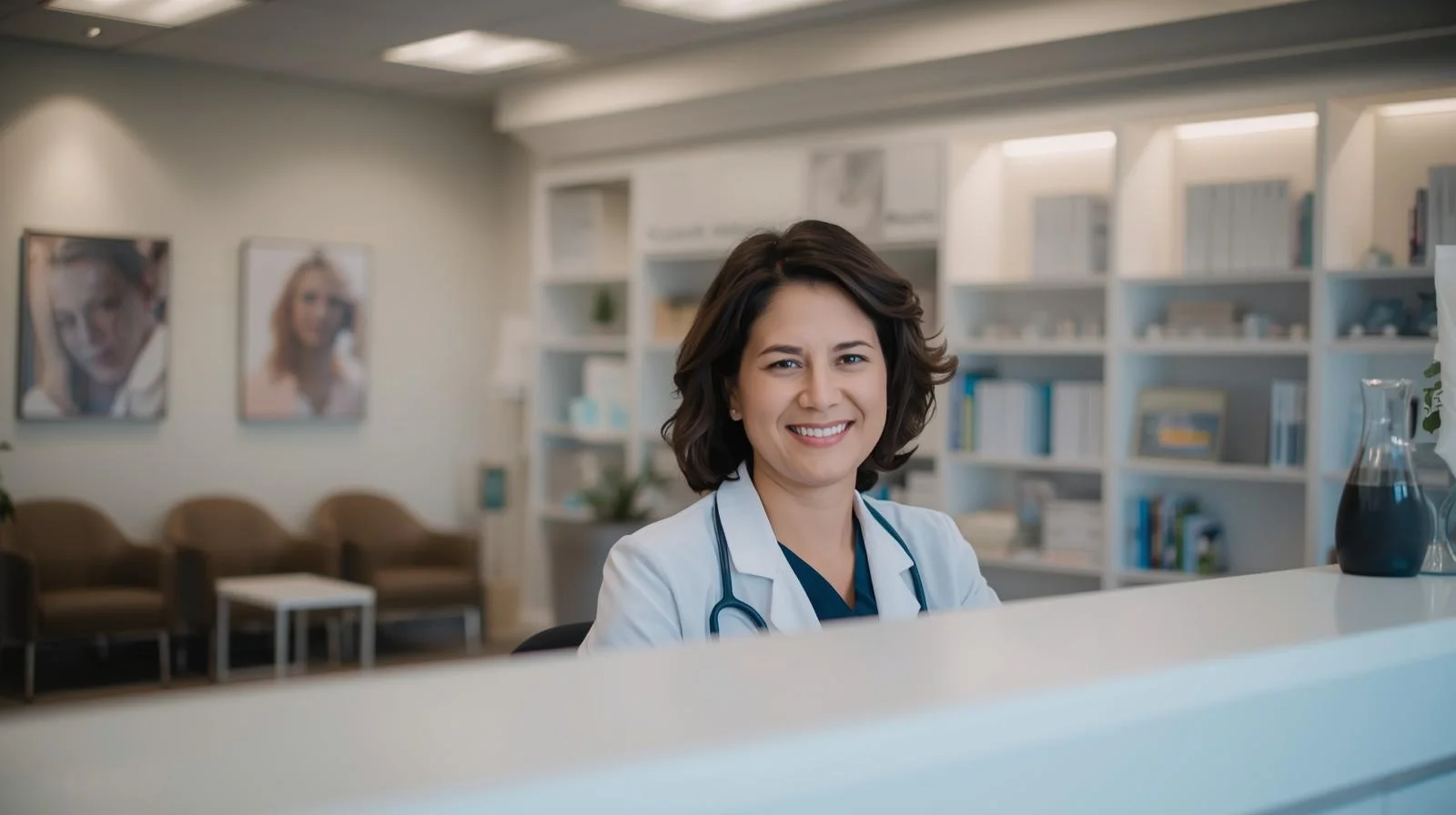
Finding the right job opportunity that offers flexibility, meaningful work, and career growth can be challenging. If you're based in Sheffield and looking for part-time employment in the healthcare sector, Workers Direct has exciting news for you. They're currently recruiting for part-time GP surgery receptionists across Sheffield, offering immediate openings for motivated individuals ready to make a difference in their local community.
Why GP Surgery Receptionist Roles Are in High Demand
The healthcare sector in the UK continues to experience significant growth, and GP surgeries are at the heart of this expansion. As the first point of contact for patients, receptionists play a crucial role in ensuring smooth operations within medical practices. The demand for skilled receptionists has increased substantially, particularly in cities like Sheffield where the population continues to grow and healthcare services are expanding to meet community needs.
GP surgery receptionists aren't just administrative workers—they're essential team members who help bridge the gap between patients and healthcare professionals. With the NHS facing ongoing pressures and an aging population requiring more medical attention, the need for competent, compassionate receptionists has never been greater. This makes now an excellent time to enter this rewarding field, especially through a reputable agency like Workers Direct.
What Makes Workers Direct Stand Out
Workers Direct has established itself as a leading recruitment agency specializing in healthcare placements across the UK. Their reputation for matching qualified candidates with reputable GP surgeries makes them an ideal partner for anyone seeking employment in this sector. Unlike some agencies that treat candidates as mere numbers, Workers Direct takes a personalized approach, understanding individual circumstances and career goals.
The agency has built strong relationships with numerous GP surgeries throughout Sheffield, giving them access to opportunities that might not be advertised elsewhere. This network means they can often place candidates quickly, which explains why they're currently offering immediate openings. For job seekers, this translates to less time waiting and more time earning.
Workers Direct also provides ongoing support throughout the application and placement process. They'll help you prepare for interviews, understand what GP surgeries are looking for, and ensure you're matched with a practice that aligns with your skills and preferences. This level of support is particularly valuable for those new to healthcare reception or returning to work after a break.
Understanding the Role of a GP Surgery Receptionist
Before diving into the application process, it's worth understanding what the role actually entails. GP surgery receptionists are multi-tasking professionals who manage a variety of responsibilities throughout their shifts. You'll be the welcoming face that patients see when they arrive at the surgery, and often the reassuring voice they hear when calling to book appointments or discuss concerns.
Your daily tasks will likely include greeting patients, checking them in for appointments, answering phone calls, scheduling appointments, managing the appointment system, processing prescriptions, handling patient queries, maintaining patient records (using computer systems), dealing with correspondence, and supporting the wider practice team with administrative tasks.
The role requires excellent communication skills, as you'll interact with patients from all walks of life, some of whom may be anxious, elderly, or dealing with language barriers. Patience and empathy are essential qualities. You'll also need to be organized and able to handle multiple tasks simultaneously—mornings can be particularly busy with phone calls, walk-ins, and various administrative duties all happening at once.
Computer literacy is important since modern GP surgeries use sophisticated patient management systems. Don't worry if you're not familiar with specific healthcare software—most surgeries provide training, and Workers Direct can advise you on what to expect.
Why Part-Time Positions Offer Great Flexibility
One of the most attractive aspects of these immediate openings is that they're part-time positions. This flexibility appeals to a wide range of candidates for different reasons. Parents with school-age children often find part-time work ideal, as it allows them to balance family responsibilities while maintaining a professional career and contributing to household income.
Students pursuing healthcare-related degrees can benefit enormously from part-time receptionist work. It provides invaluable insight into how GP surgeries operate, exposes you to medical terminology, and gives you direct experience in a healthcare setting—all of which look excellent on a CV and can support future career aspirations in nursing, healthcare management, or other medical professions.
Individuals seeking a better work-life balance, whether you're looking to pursue hobbies, care for elderly relatives, or simply avoid the burnout associated with full-time work, part-time positions offer breathing room. Retirees who aren't ready to stop working completely but want reduced hours often find these roles perfectly suited to their needs.
Part-time doesn't mean less important or less professional. You'll receive proper training, have the same responsibilities as full-time staff during your shifts, and contribute meaningfully to patient care. Many GP surgeries actively prefer having a team of part-time staff as it provides better coverage across extended opening hours and allows for more flexible scheduling.
What Qualifications and Experience Do You Need?
You might be wondering whether you're qualified for these positions. The good news is that GP surgery receptionist roles are more accessible than many people think. While previous experience in healthcare reception is certainly advantageous, it's not always essential. What matters most is having the right attitude, transferable skills, and willingness to learn.
Most GP surgeries look for candidates with good communication skills—both verbal and written. You should be comfortable speaking with people face-to-face and over the phone, explaining information clearly, and listening attentively to patient concerns. Basic computer skills are necessary, including familiarity with email, word processing, and database systems. Specific medical software training will typically be provided.
Organizational abilities and attention to detail are crucial. You'll be managing appointments, handling confidential information, and ensuring that administrative tasks are completed accurately. A professional, friendly demeanor helps create a positive first impression for patients who may be feeling unwell or anxious.
Some GP surgeries may require GCSEs in English and Maths (or equivalent qualifications), but this varies by practice. Experience in customer service, administration, or any role involving public interaction is highly valued. If you've worked in retail, hospitality, call centers, or office environments, you've likely developed many of the skills needed for GP reception work.
Understanding of and commitment to confidentiality is non-negotiable in healthcare settings. You'll be exposed to sensitive patient information daily, and maintaining discretion is part of your professional responsibility.
The Benefits of Working as a GP Receptionist in Sheffield
Sheffield is a vibrant city with a strong sense of community, and working as a GP receptionist here means contributing directly to your local area's wellbeing. The city has a diverse population and numerous GP surgeries across different neighborhoods, from the city center to suburban areas and surrounding villages.

Career-wise, GP reception work offers genuine progression opportunities. Many receptionists go on to become senior receptionists, practice administrators, or practice managers. The experience you gain can also be a stepping stone into other healthcare careers. Some receptionists use their positions to learn about the healthcare system before pursuing nursing degrees or other medical qualifications.
The work itself is inherently meaningful. You're not just processing paperwork—you're helping people access the healthcare they need. That elderly patient you help book a routine check-up, the worried parent calling about their child's symptoms, the individual managing a chronic condition who needs prescription support—you're making their healthcare journey smoother and less stressful.
From a practical standpoint, GP surgery work typically follows regular hours (usually within Monday to Friday operating times), which is quite different from hospital work that often requires shift patterns including nights, weekends, and holidays. This predictability is valuable for planning your personal life.
Sheffield's cost of living is also more affordable compared to cities like London or Manchester, meaning the salary you earn goes further. The city offers excellent amenities, green spaces, cultural attractions, and good transport links, making it an attractive place to both work and live.
How Workers Direct Streamlines the Application Process
One of the biggest advantages of applying through Workers Direct rather than directly to GP surgeries is the streamlined process. Instead of sending individual applications to multiple practices, you apply once through Workers Direct, and they match you with suitable opportunities based on your skills, experience, and preferences.
The process typically begins with an initial application, either online through their website or by contacting them directly. You'll provide basic information about your background, qualifications, and availability. Following this, Workers Direct will arrange a consultation—either in person, by phone, or via video call—to discuss your employment needs in detail. This conversation allows them to understand what you're looking for in terms of location within Sheffield, working hours, and any specific requirements you might have.
They'll review your CV and may offer suggestions to strengthen it, particularly if you're transitioning from a different industry. If necessary, they can advise on any additional training or certifications that might enhance your application, though as mentioned, extensive qualifications aren't typically required for receptionist positions.
Once you're registered with Workers Direct, they'll present you with suitable opportunities as they arise. Given that they currently have immediate openings, this could happen very quickly. When a potential match is found, they'll provide details about the specific GP surgery, the role requirements, working hours, and pay rate.
If you're interested in a particular position, Workers Direct will arrange an interview with the surgery. They'll prepare you for this meeting, advising on what questions to expect and what the surgery is particularly looking for. This insider knowledge can give you a significant advantage.
After a successful interview, Workers Direct handles much of the administrative work involved in starting a new position, including reference checks, DBS (Disclosure and Barring Service) checks (which are standard for healthcare roles), and employment contracts. This support continues even after you start work—if you have any concerns or questions, Workers Direct remains available to assist.
What to Expect During Your First Weeks
Starting any new job can feel overwhelming, but knowing what to expect can ease those first-day nerves. When you begin your part-time GP receptionist position in Sheffield, you'll likely start with an induction period. This might involve shadowing experienced receptionists, learning the specific systems that particular surgery uses, and being introduced to the wider team including GPs, nurses, practice managers, and other administrative staff.
Each GP surgery has its own patient management software system. The most common platforms include EMIS, SystmOne, and Vision, though there are others. You'll receive training on whichever system your surgery uses. These programs allow you to book appointments, view patient records, process prescriptions, and manage various administrative tasks. While they might seem complex initially, they're designed to be user-friendly, and you'll quickly become comfortable with regular functions.
You'll also learn the surgery's specific procedures—how they handle telephone triage, what information to collect when booking appointments, how to deal with prescription requests, and when to escalate urgent situations to clinical staff. Understanding the difference between routine appointments, urgent same-day appointments, and genuine emergencies is crucial.
Building relationships with your colleagues makes a huge difference. The healthcare team you're joining will likely be supportive and understanding that there's a learning curve. Don't hesitate to ask questions—it's far better to clarify something than to make assumptions.
Patients themselves will be one of your best teachers. Through daily interactions, you'll develop a sense of what concerns are common, how to reassure anxious callers, and how to efficiently manage the flow of people through the surgery. Each day brings variety—one morning might be relatively calm, while the next could be extremely busy with high demand for appointments.
The Importance of Confidentiality in Healthcare Reception
Before you start work in any GP surgery, you'll need to understand the critical importance of patient confidentiality. As a receptionist, you'll have access to sensitive personal and medical information, and protecting this information isn't just good practice—it's a legal requirement under GDPR (General Data Protection Regulation) and healthcare-specific regulations.
You'll learn about information governance during your induction. This includes understanding who can access patient information and under what circumstances, how to verify caller identity before discussing patient details over the phone, the proper way to dispose of confidential documents, and how to ensure computer screens aren't visible to unauthorized individuals.
Breaching patient confidentiality can have serious consequences, including disciplinary action and potential legal ramifications. However, this shouldn't be intimidating—it simply means being mindful and professional in your work. Most of it becomes second nature quickly, like positioning your computer screen away from the waiting area or not discussing patient information in public areas of the surgery.
Skills You'll Develop in This Role
Working as a GP surgery receptionist isn't just a job—it's a genuine opportunity for personal and professional development. The skills you'll build are valuable and highly transferable across numerous industries and roles.
Communication skills develop rapidly when you're interacting with dozens of people daily. You'll learn to adapt your communication style to different individuals—speaking clearly to those with hearing difficulties, showing extra patience with anxious patients, and communicating efficiently with busy healthcare professionals.
Problem-solving becomes part of your daily routine. When the appointment book is full but a patient needs to be seen urgently, when there's a discrepancy in records, or when you're juggling multiple demands simultaneously, you'll develop creative solutions and learn to prioritize effectively.
Your resilience and stress management abilities will strengthen. Healthcare reception can be demanding, particularly during busy periods or when dealing with frustrated patients. Learning to remain calm, professional, and empathetic under pressure is an invaluable life skill.
Technical proficiency with healthcare systems, databases, and various software platforms enhances your CV significantly. These systems are used across thousands of medical practices, making your experience relevant if you later apply to other healthcare positions.
You'll also gain healthcare knowledge almost by osmosis. Working in a GP surgery exposes you to medical terminology, common conditions, treatment pathways, and how the NHS functions at the primary care level. This knowledge is beneficial both personally and professionally.
Understanding the Sheffield Healthcare Landscape
Sheffield's healthcare system is robust, with numerous GP surgeries serving different communities across the city. From practices in the city center to those in neighborhoods like Hillsborough, Ecclesall, Dore, Woodseats, and everywhere in between, there are opportunities throughout Sheffield and the surrounding areas.
The city has a population of over 580,000 people, all requiring primary healthcare services. This demographic diversity means GP surgeries see patients across all age groups, from newborn babies attending their first check-ups to elderly individuals managing multiple chronic conditions. This variety makes the work interesting and ensures you gain broad experience.
Sheffield is also home to teaching hospitals and has strong links to medical education through the University of Sheffield's Medical School. This academic presence contributes to a culture of professional development within healthcare settings, and many GP surgeries are involved in training medical students and junior doctors. Working in such an environment can be intellectually stimulating and offers additional learning opportunities.
The city's geography, with some areas being more affluent and others facing socioeconomic challenges, means different surgeries may have different patient demographics and needs. Workers Direct can help you understand these variations and find a placement that matches your preferences and commute requirements.
Salary Expectations and Benefits
While specific salary information depends on the particular GP surgery and your level of experience, part-time GP receptionists in Sheffield can typically expect hourly rates that align with NHS pay scales or competitive private practice rates. Entry-level positions generally fall within the NHS Band 2 or Band 3 categories, though this varies.
Beyond the basic salary, many positions come with additional benefits. These might include pension schemes (particularly if the surgery follows NHS employment terms), paid annual leave (calculated proportionally for part-time staff), sick pay provisions, and opportunities for paid training and professional development.
Some surgeries offer flexibility in scheduling, allowing you to indicate preferred working days or times. This is particularly valuable for part-time staff balancing multiple commitments. Others might provide employee assistance programs offering support for mental health, financial advice, or personal challenges.
The experience you gain has value beyond immediate financial compensation. As mentioned earlier, this role can be a career stepping stone, and the skills you develop can lead to higher-earning positions in the future, whether within healthcare administration or other sectors.
How Sheffield's Transport Links Support Part-Time Work
One practical consideration for any job is the commute, and Sheffield's transport infrastructure generally supports part-time workers well. The city has a comprehensive bus network operated primarily by First South Yorkshire and Stagecoach, connecting most residential areas to GP surgery locations.
Many surgeries are located in neighborhood centers, making them accessible from surrounding residential areas. This local placement means some receptionists can even walk or cycle to work, reducing commute times and costs. Sheffield's tram network (Supertram) also provides efficient connections between various parts of the city.
For those driving, most GP surgeries have parking facilities, either on-site or nearby. Part-time hours sometimes mean you avoid peak traffic times, making the commute less stressful than typical 9-to-5 full-time positions.
When discussing opportunities with Workers Direct, you can specify your preferred locations based on where you live. They understand that a reasonable commute is essential, particularly for part-time work where excessive travel time could negate the benefits of reduced hours.
The Social Aspect of GP Reception Work
One often-overlooked benefit of working as a GP receptionist is the social connection it provides. You'll become part of a team, developing professional relationships with colleagues who often become friends. The collaborative nature of healthcare work means you're genuinely working together toward common goals rather than competing.
You'll also become a familiar face in your local community. Regular patients will recognize you, and there's satisfaction in being part of their healthcare journey over time. This connection is particularly strong in neighborhood practices where you might live near the surgery and encounter patients in everyday community settings.
For individuals who might otherwise work from home or in isolated roles, the daily human interaction that comes with GP reception work can be mentally and emotionally beneficial. Even on challenging days, there are usually moments of warmth—a patient expressing gratitude, a colleague sharing a laugh, or the satisfaction of efficiently helping someone access the care they need.
The team environment also means you're not facing challenges alone. Experienced colleagues can offer advice, share the workload during busy periods, and provide support when dealing with difficult situations. This collective approach makes the role more manageable and enjoyable.
Dealing with Challenges in GP Reception
It's worth being realistic about the challenges you might face in this role. GP reception isn't always easy—you'll encounter difficult situations that require patience, professionalism, and resilience.
Frustrated patients are perhaps the most common challenge. When people can't get appointments as quickly as they'd like, or when they're feeling unwell and anxious, they may express their frustration to you as the first point of contact. Learning not to take this personally while remaining empathetic and helpful is an essential skill.
The workload can be intense, particularly during peak times like Monday mornings when demand for appointments is highest, or during flu season when the surgery is exceptionally busy. Effective time management and the ability to multitask become crucial during these periods.
You'll occasionally need to make judgment calls about the urgency of patient requests. While you're not expected to provide medical advice, recognizing when someone needs immediate attention versus a routine appointment is an important responsibility. Surgeries provide guidelines and training for this, and you'll always have clinical colleagues to consult when uncertain.
Technological issues can also be frustrating—when the computer system crashes during a busy morning, or when you're still learning the software and can't find a function you need. Patience with technology and willingness to learn are helpful qualities.
However, these challenges are balanced by supportive colleagues, proper training, and the intrinsic rewards of the work. Most people who work in GP reception find that the positive aspects far outweigh the difficulties.
Why Now Is an Excellent Time to Apply
The timing of Workers Direct's current recruitment drive is significant. Immediate openings mean you could potentially be working within weeks rather than months. This is particularly advantageous if you're currently unemployed or looking to leave your current position.
The healthcare sector continues to demonstrate job security even during economic uncertainty. While some industries face fluctuations and redundancies, the need for healthcare services remains constant—arguably increasing during challenging times when stress-related conditions rise.
Starting a new role in early 2025 also means beginning with a clean slate for the year, potentially with new professional goals and ambitions. If you've been considering a career change or entry into healthcare, taking action now sets a positive trajectory.
The experience you gain starting now will be valuable for future opportunities. By summer 2025, you'll have several months of experience under your belt, making you a more competitive candidate if you later apply for senior receptionist roles, full-time positions, or other healthcare administrative jobs.
Workers Direct's current focus on Sheffield means they're actively working with local surgeries and have fresh opportunities available. Recruitment agencies often go through cycles where they concentrate on particular regions or sectors—Sheffield GP surgeries are currently their focus, creating a window of opportunity for local candidates.
How to Make Your Application Stand Out
While GP receptionist positions don't require extensive qualifications, you can still make your application more appealing to both Workers Direct and potential employers. Tailoring your CV to highlight relevant skills is important—emphasize customer service experience, administrative abilities, computer literacy, and any healthcare-related work.
In your covering letter or application, demonstrate genuine enthusiasm for healthcare work. Explain why you're interested in working in a GP surgery specifically, rather than just seeking any part-time job. Perhaps you value contributing to your community, have personal experience with excellent healthcare that inspired you, or are working toward long-term healthcare career goals.
Highlight transferable skills with specific examples. Instead of simply stating "good communication skills," describe a situation where you successfully helped a frustrated customer or explained complex information clearly. Concrete examples are more memorable and credible than generic claims.
If you have any relevant training, mention it—first aid certifications, customer service qualifications, or completed courses in medical terminology or healthcare administration all demonstrate initiative and relevant interest.
Be honest about your availability and any constraints you have. If you can only work certain days or have childcare commitments that affect your hours, it's better to be upfront. Workers Direct can then match you with surgeries whose needs align with your availability, leading to more sustainable placements.
Professionalism throughout the application process creates a positive impression. Respond promptly to communications from Workers Direct, arrive on time for any consultations or interviews, and present yourself professionally. These basics matter and reflect how you'll likely behave in a patient-facing role.
What Happens After You're Placed
Once Workers Direct successfully places you with a GP surgery, your relationship with them doesn't necessarily end. Many agencies maintain contact with placed candidates, checking in to ensure the placement is working well and offering ongoing support if any issues arise.
Your initial weeks will be a probationary period—standard for most employment. This allows both you and the surgery to determine whether the arrangement works well for everyone. Most placements proceed smoothly through this period, especially when Workers Direct has carefully matched candidates with appropriate surgeries.
As you settle into your role, you might have opportunities for additional training. Many GP surgeries support professional development, offering courses in specific aspects of medical administration, customer service in healthcare settings, or information governance. Taking advantage of these opportunities enhances your skills and demonstrates commitment to your role.
Some part-time positions lead to increased hours or permanent contracts if both the employee and surgery are happy with the arrangement. If you're initially seeking part-time work but would eventually like more hours, performing well in your role and expressing interest in additional opportunities can lead to expanded positions.
Conversely, if you find the particular surgery isn't the right fit, Workers Direct may be able to help you find an alternative placement. While changing positions frequently isn't ideal, agencies understand that sometimes matches don't work perfectly, and they prefer to find sustainable placements rather than force unsuitable arrangements.
The Broader Career Pathway in Healthcare Administration
Looking beyond the immediate receptionist role, it's worth considering where this position might lead. Healthcare administration offers various career pathways, many of which start at the reception desk.
Senior receptionist positions involve additional responsibilities like training new staff, managing appointment systems more comprehensively, or handling complex administrative queries. These roles typically come with increased pay and serve as stepping stones to further advancement.
Practice administrators coordinate the administrative team, manage systems and processes, liaise with healthcare commissioners and external organizations, and support the practice manager. This role requires more experience but offers increased responsibility and compensation.
Practice managers essentially run GP surgeries from an operational standpoint, managing budgets, staff, premises, compliance, and strategic planning. Many practice managers began their careers as receptionists, gradually taking on more responsibility and pursuing relevant qualifications like the Certificate in Practice Management.
Some receptionists transition into medical secretarial roles, supporting specific clinicians with correspondence, referrals, and more specialized administrative tasks. Others move into healthcare commissioning, NHS administrative roles, or hospital administration.
The knowledge and experience you gain as a GP receptionist provides foundational understanding applicable across these various pathways. Starting this journey now, even in a part-time capacity, opens doors you might not have considered.
Balancing Work and Personal Life
For many people applying for these part-time positions, work-life balance is a priority. The beauty of part-time GP reception work is that it typically offers more predictability than many other part-time roles.
GP surgeries usually operate Monday to Friday, generally between 8 am and 6:30 pm, though some offer extended hours. Your shifts will fall within these times, meaning evenings and weekends are typically free—quite different from retail or hospitality work where weekend and evening shifts are common.
This schedule allows you to maintain routines, plan personal commitments, and have consistent free time. Parents often find they can work while children are in school, students can schedule shifts around university classes, and everyone benefits from having weekends free for family time, hobbies, or rest.
The mental health benefits of meaningful work shouldn't be underestimated either. Contributing to your community's wellbeing, using your skills, maintaining professional identity, and having workplace social connections all contribute to overall life satisfaction and mental wellbeing.
Frequently Asked Questions (FAQs)
1. Do I absolutely need previous medical or NHS experience to apply?
Not at all! While it can be an advantage, it is by no means essential for many of the roles we recruit for. We strongly believe that individuals with solid experience in customer-facing roles—such as retail, hospitality, or call centres—possess the core transferable skills needed to excel. We're looking for empathy, strong communication, and organisational skills above all else. Full training on specific NHS systems and practice procedures is always provided.
2. What are the typical hours for a part-time GP receptionist?
This is one of the biggest benefits of the role! "Part-time" can mean many things. We have a variety of openings that can include morning shifts (e.g., 8 am-1 pm), afternoon shifts (e.g., 1 pm-6 pm), or a couple of full days a week. We work closely with you to find a shift pattern that fits around your other commitments, such as childcare, studies, or other work.
3. What is the potential for career progression?
Starting as a part-time receptionist is a fantastic entry point into the wider world of healthcare and the NHS. Many people who start in this role go on to become Senior Receptionists, Practice Administrators, Medical Secretaries, or even move into Practice Management with further training. You'll gain invaluable experience and a deep understanding of how primary care works, opening up many future career pathways.
4. What is the pay rate like for these positions?
The pay rate is competitive and typically aligns with the NHS pay bands (Agenda for Change), depending on the specific practice and the level of experience required. During your initial chat with our consultants at Workers Direct, we will be completely transparent about the hourly rate for any specific position you are interested in.
5. What kind of training is provided when I start?
Every practice provides a comprehensive induction and training period. This will cover everything you need to know to succeed. You'll receive hands-on training on their specific clinical software (like EMIS Web or SystmOne), their telephone system, and their exact procedures for booking appointments, processing prescriptions, and other daily tasks. You'll also be brought up to speed on important policies regarding patient confidentiality and data protection. You will be fully supported by the team as you learn the ropes.