













Workers Direct - Industrial Process Operator Jobs in Portsmouth with Technical Skills Required for Chemical and Pharmaceutical Manufacturing Plants

Job Title: Industrial Process Operator
Location: Portsmouth, Hampshire
Sector: Chemical & Pharmaceutical Manufacturing
Contract: Full-Time / Permanent
Agency: Workers Direct
Key Requirement: Technical Proficiency in GMP/Chemical Processing
Introduction: Engineering the Future in Portsmouth
If you walk past the standard industrial estates in Portsmouth, you might see warehouses and distribution centers. But if you look a little deeper, you’ll find the beating heart of UK innovation: the high-tech manufacturing sector.
At Workers Direct, we aren't just filling seats. We are connecting skilled technical professionals with the companies that are literally formulating the future.
We are currently recruiting for Industrial Process Operators for a prestigious client based in the Portsmouth area. This isn't a standard assembly line role. We are talking about precision, chemistry, and high-stakes pharmaceutical production. This is for the technicians, the problem solvers, and the people who understand that a 0.1% variance in a chemical mixture isn't just a mistake—it’s a failure.
If you have experience in Chemical Manufacturing or Pharmaceutical Production, and you want to work in a facility where your technical skills are actually valued (and paid for), this is the opportunity you have been waiting for.
Browse all our technical vacancies here or keep reading to dive deep into what this role entails.
Part 1: The Role – More Than Just Pushing Buttons
Let’s get specific. What does an Industrial Process Operator actually do in a chemical or pharmaceutical plant?
It’s easy for outsiders to think manufacturing is just "watching a machine." You know better. In this environment, you are a pilot. The plant is your cockpit. You are monitoring pressures, temperatures, and flow rates that effectively determine the success of a multi-million-pound batch of product.
The Core Responsibilities
Your day-to-day at our client’s Portsmouth facility will involve a mix of physical operation and mental agility:
- Batch Processing: You will be responsible for the end-to-end production of chemical or pharmaceutical batches. This involves weighing raw materials with extreme precision (often down to the gram) and charging reactors.
- Process Monitoring: Using HMI (Human-Machine Interface) panels, you will track reaction kinetics. Is the temperature rising too fast? Is the pressure stable? You need to spot these anomalies before the alarm goes off.
- GMP Compliance: In pharmaceuticals, if it isn't written down, it didn't happen. You will be completing batch manufacturing records (BMRs) in real-time. Your handwriting needs to be legible, and your attention to detail needs to be forensic.
- Equipment Maintenance: We aren't asking you to be a mechanic, but you need to know your kit. You’ll perform first-line maintenance—stripping down pumps, cleaning valves, and troubleshooting minor blockages.
This is a role for someone who takes pride in precision. It’s for the person who double-checks the valve position not because they have to, but because they want to know it’s safe.
Part 2: The "Technical Skills" We Need
We mentioned "Technical Skills" in the title, and we meant it. This is a skilled trade. Our client in Portsmouth is operating at the cutting edge, and they need operators who can hit the ground running.
We aren't necessarily looking for a degree in Chemistry (though it helps!), but we are looking for operational literacy.
What Does "Technical" Mean Here?
- Understanding P&IDs: Can you look at a Piping and Instrumentation Diagram and trace the flow of the product? Can you identify where the isolation valves are just by looking at the schematic?
- Chemical Handling: You need to respect the materials. We are talking about handling solvents, acids, and active pharmaceutical ingredients (APIs). You need to know your way around a COSHH assessment.
- Mechanical Aptitude: Can you use a spanner without stripping the nut? Can you assemble a filter housing correctly? The plant relies on your hands as much as your brain.
- IT Literacy: Modern plants are digital. You’ll be using SAP, SCADA systems, and digital inventory logs. You need to be comfortable navigating complex software.
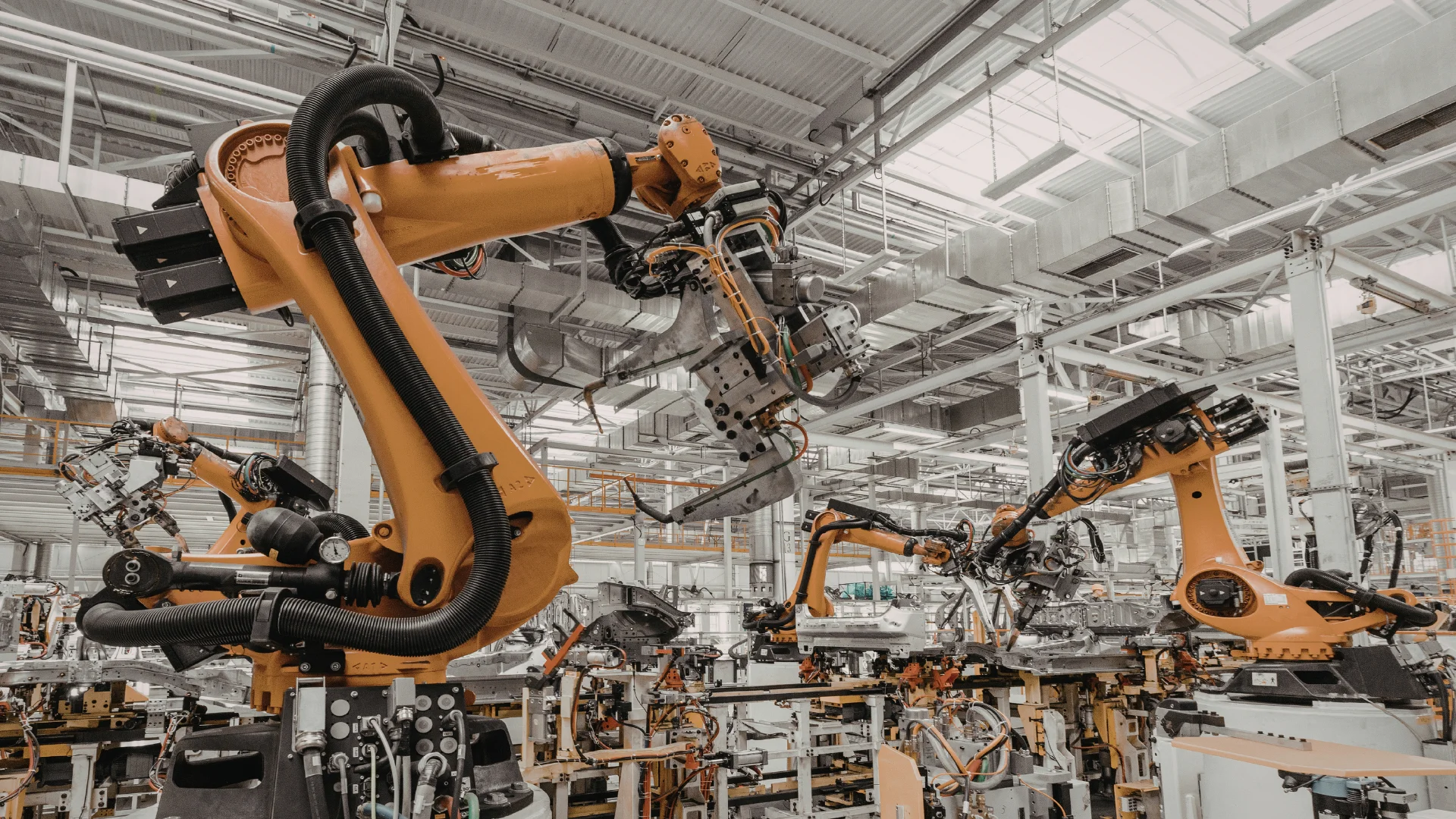
If you have previously worked as a Chemical Process Technician or a Biotech Operator, you likely have these skills in your DNA.
Check out the Institute of Chemical Engineers (IChemE) to see the kind of standards our industry aims for.
Part 3: The Environment – Chemical & Pharmaceutical
Working in a Chemical or Pharmaceutical plant is very different from working in a food factory or a car plant. It is cleaner, quieter, and significantly more regulated.
The Pharmaceutical Difference (GMP)
Good Manufacturing Practice (GMP) is the gold standard. In this Portsmouth facility, you will likely be working in cleanrooms.
- Gowning Up: You’ll be wearing full Tyvek suits, hairnets, and sometimes respirators.
- Contamination Control: You act as the guardian of the product. You are constantly thinking about cross-contamination.
- The Pace: It is methodical. We don’t want you to rush; we want you to be right. A mistake in a car factory might mean a scratched bumper. A mistake here could compromise a patient's health.
The Chemical Side (HSE)
On the chemical processing side, the focus shifts slightly to Health, Safety, and Environment (HSE).
- Process Safety: You will be dealing with exothermic reactions and pressurized vessels. You need to understand the physics of what is happening inside that tank.
- COMAH Sites: Many chemical plants are designated COMAH (Control of Major Accident Hazards) sites. Working here requires a serious, mature mindset.
You can learn more about the regulations governing these sites on the HSE COMAH Webpage.
Part 4: Why Portsmouth?
Portsmouth is experiencing a mini-renaissance in the industrial sector. Historically a naval and maritime hub, the city is diversifying.
For an Industrial Process Operator, Portsmouth is a fantastic place to base your career.
- The Hub: The M27 corridor is packed with science parks and industrial zones.
- Connectivity: Whether you live in Southsea, Cosham, or commute from Fareham or Havant, the transport links are solid.
- Coastal Living: Let’s not forget, when the shift ends, you are by the sea. There is something to be said for breathing in fresh sea air after a shift in the plant.
Our client is located within easy reach of the A27, making it accessible for anyone in the Hampshire area. If you are relocating, Visit Portsmouth offers a great guide to living and working in the waterfront city.
Part 5: The Workers Direct Promise
You have plenty of choices when it comes to recruitment agencies. Why trust Workers Direct with your career?
Because we speak your language.
We don’t employ recruiters who just keyword-search CVs. We employ consultants who understand the industry. When you tell us you have experience with "distillation columns" or "centrifuges," we know exactly what that means and why it makes you valuable.
How We Support You:
- CV Optimization: We help you translate your experience into a language that Hiring Managers love. We know how to highlight your technical skills.
- Interview Prep: Technical interviews can be grueling. We prep you on the specific technical questions the client is likely to ask (e.g., "Walk me through a lockout-tagout procedure").
- Feedback Loop: We don’t ghost you. Whether it’s good news or bad, we keep you in the loop.
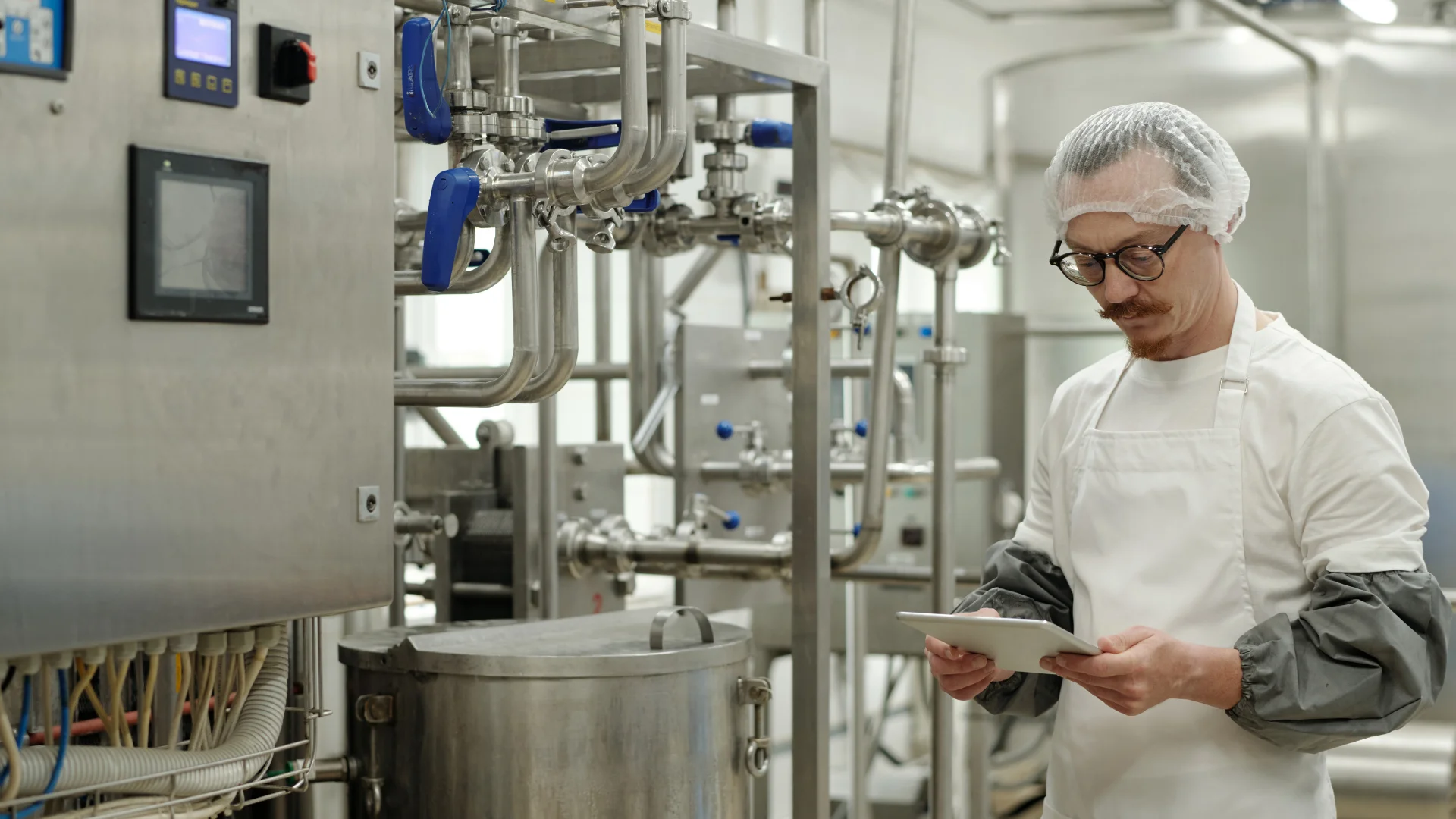
We are specialists in industrial staffing. You can read about our specific approach to the manufacturing sector on our Industrial Recruitment page.
Part 6: Salary and Benefits – What’s in it for You?
Let’s talk numbers. This is a skilled role, and it commands a skilled wage.
While we can’t print the exact salary without knowing your specific experience level, we can tell you this: Industrial Process Operators in Portsmouth are among the best-paid production staff in the region.
- Base Salary: Competitive annual salary that reflects the technical nature of the job.
- Shift Allowance: Because manufacturing runs 24/7, shift premiums can significantly boost your take-home pay (often by 20% to 33%).
- Pension & Healthcare: Our pharmaceutical clients often offer private healthcare and generous pension contributions.
- Training Budget: The best companies invest in their people. You can expect training on new systems, safety courses (like IOSH), and potential leadership pathways.
Part 7: A Day in the Life
To give you a real feel for the job, let’s simulate a shift.
06:45 - Shift Handover: You arrive early. You meet the night shift operator. They tell you Reactor B is running a little hot and Pump 4 has a slight vibration. This information is gold. You check the logbook.
07:30 - The Setup: You are starting a new batch. You verify the raw materials. You check the "Charge Sheet." You suit up in your PPE.
09:00 - The Reaction: You charge the vessel. Now you are watching the SCADA screens. You adjust the cooling jacket flow to keep the temperature at exactly 45∘C. You are the conductor of this orchestra.
12:00 - Sampling: The batch is midway. You take a sample from the port, label it, and run it to the QC (Quality Control) lab. You chat with the lab techs—communication is key.
14:00 - Discharge & Clean: The batch is done and passed QC. You transfer it to the storage tank. Now comes the CIP (Clean in Place). You set up the cleaning cycle to ensure the vessel is sterile for the next product.
16:00 - Documentation: You finalize the Batch Record. You sign off your steps. You note down that vibration on Pump 4 for the maintenance team to look at tomorrow.
16:45 - Handover: You brief the incoming shift. You go home knowing you made a tangible product that might save lives or power industry.
Part 8: Who Should Apply? (The Checklist)
We are looking for a specific profile. Are you the right fit?
The "Definite" List:
- Experience: Minimum 2 years in a chemical, pharmaceutical, or FMCG (Fast Moving Consumer Goods) environment with a focus on processing (not just packing).
- Safety Conscious: You don't cut corners. You follow the Standard Operating Procedure (SOP) every single time.
- Technical Mindset: You enjoy understanding how things work. You are curious about the machinery.
- Documentation: You have neat handwriting and good numeracy skills. You understand that a decimal point in the wrong place is a disaster.
The "Desirable" List:
- Forklift License: Counterbalance or Reach truck experience is always handy in a plant.
- Science Background: A BTEC, NVQ Level 3, or HNC in Chemistry, Engineering, or Process Plant Operation.
- Clean Room Experience: If you’ve worked in a GMP Grade C or D environment, put that at the top of your CV!
Part 9: Career Progression
This isn't a dead-end job. The Chemical and Pharmaceutical industry is built on progression.
Starting as a Process Operator is the foundation. Where can you go from here?
- Senior Operator/Team Lead: Manage the shift. valid
- Process Technician: Move into a more engineering-focused role, helping to commission new plants or troubleshoot chronic issues.
- Production Manager: Run the whole show. Many plant managers started on the shop floor.
- Quality Assurance: Use your knowledge of the process to audit and improve compliance.

Your skills are transferable. Once you have mastered GMP pharmaceutical processing, you can work anywhere in the world.
Part 10: How to Apply
Ready to take the next step in your technical career?
Here is how you join the Workers Direct roster for this role:
- Update Your CV: Focus on your technical skills. List the machinery you have used (Centrifuges, Reactors, Dryers). Mention the regulations you know (GMP, COSHH, ISO9001).
- Visit Our Site: Go to our Contact Us page or upload your CV directly via our jobs portal.
- The Call: If your profile matches, we will call you. We’ll discuss the Portsmouth client, the specific chemicals involved, and the salary expectations.
Tip: When you apply, write a short cover note mentioning a specific technical challenge you solved in your last job. It proves you are the problem-solver we need.
Conclusion: Your Skill, Our Network
The manufacturing landscape in Portsmouth is changing. It is becoming smarter, faster, and more technical. The days of unskilled labor in these plants are fading; the era of the Technical Operator is here.
If you are tired of being treated like a number in a warehouse and want to work in an environment where your brain is as important as your hands, this is your chance.
At Workers Direct, we specialize in finding the "needle in the haystack" candidates for the UK's best industries. We know the value of a good operator.
If you have the precision for pharmaceuticals and the toughness for chemical processing, we want to represent you.
Don't let this reaction fizzle out. Apply today at workers-direct.com.
Frequently Asked Questions (FAQs)
Here are the 5 most common questions candidates ask us about Industrial Process Operator roles in Portsmouth.
1. Do I need a degree in Chemistry to apply?
No, a degree is not usually mandatory for an Operator role, although it is a bonus. What is more important is relevant industrial experience. An NVQ Level 3 in Process Plant Operation or significant experience in a chemical/pharmaceutical factory is often more valuable to our clients than a theoretical degree without practical application.
2. What is the difference between "GMP" and standard manufacturing?
GMP stands for Good Manufacturing Practice. In standard manufacturing, if a product looks okay, it passes. In GMP (Pharmaceuticals), the process must be perfect. You have to document every step, ensure total cleanliness, and follow the recipe exactly. If you didn't document it, you didn't do it. It requires a higher level of discipline and attention to detail.
3. Are these roles shift-based?
Yes, almost exclusively. Chemical reactions often take longer than 8 hours, and pharmaceutical plants are expensive assets that run 24/7. You should expect to work a shift pattern, which often includes nights and weekends. However, this is reflected in the salary through a shift allowance, making these some of the highest-paying hourly roles in the area.
4. Is the environment dangerous?
Chemical plants have hazards, but they are also some of the most safety-conscious places on earth. Safety is the number one priority. You will be provided with top-tier PPE (Personal Protective Equipment) and extensive training. If you follow the rules and the training, it is a very safe place to work. Knowledge of COSHH (Control of Substances Hazardous to Health) is essential.
5. How quickly can I get an interview?
Demand for skilled technical operators in Portsmouth is high. If you have the specific experience we are looking for (Chemical/Pharma background), we can often arrange an interview within a week. The process usually involves a telephone screening with Workers Direct followed by a face-to-face interview and site tour with the client. Visit our Services page to see how we speed up the hiring process.