













What Does Event Security Do? The 2026 Guide to Elite Crowd Safety & Special Event Protection
From risk assessment to emergency response, discover the critical roles, responsibilities, and advanced strategies that define modern event security. Learn how to hire specialist teams that ensure flawless execution for concerts, festivals, and corporate functions.
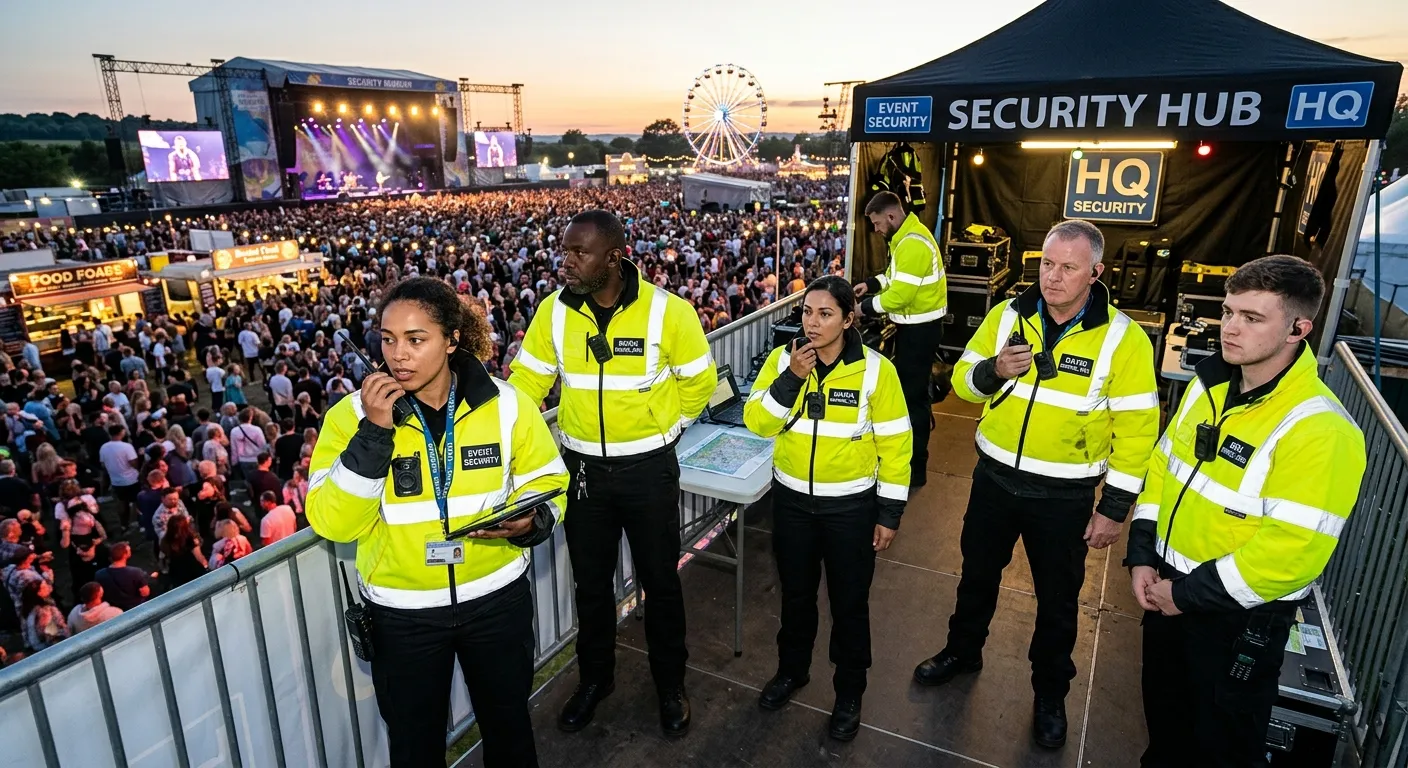
Beyond Crowd Control: The Multifaceted Role of Modern Event Security
When asking"What does event security do?", the answer extends far beyond simply checking tickets or managing queues. In 2026, event security is a sophisticated, multi-layered discipline that integrates proactive risk management, advanced technology, and highly trained personnel to create a secure environment where guests, staff, and performers are safe. The core mission is to enable the event's success by preventing incidents, managing crowds, and responding decisively to any emergency.
**What is special event security?** It's the bespoke application of these principles to unique, often high-profile gatherings. Unlike standard venue security, special event security requires a customised plan built from the ground up for each occasion, considering specific threats, guest demographics, venue layout, and the event's symbolic or cultural significance. Whether it's a political summit, a major product launch, or a star-studded awards ceremony, the security strategy must be as unique as the event itself. For organisers, partnering with a staffing agency that understands this distinction, like Workers Direct, is the first step towards a seamless and safe event.
Key Takeaway
Event security is a proactive, intelligence-led function. The best teams work invisibly to mitigate risks before they materialise, ensuring the only thing guests remember is a fantastic experience.
Pro-Tip for Organisers:
Begin security planning during the initial event conceptualisation, not as an afterthought. This allows for integrated risk assessment and budget allocation.
The Four Pillars of Event Security Operations
Click through each tab to explore the comprehensive duties that answer the question:"What does event security do?" in detail.
Strategic Planning & Risk Intelligence
Long before the first guest arrives, elite security teams are deep in the planning phase. This involves conducting thorough Threat & Risk Assessments (TRA), analysing the venue's vulnerabilities, reviewing attendee profiles, and assessing the potential for incidents like crushes, protests, or severe weather. Security commanders liaise with local police, fire services, and medical teams to establish clear communication channels and joint response protocols.
A critical component is personnel planning. Determining the correct number of staff, their required certifications (SIA licensing in the UK), and their strategic deployment is a science. Just as a warehouse needs the right balance of warehouse operatives and forklift drivers, an event needs the right mix of access control officers, perimeter guards, and mobile patrols. Modern planning also leverages technology, using simulation software to model crowd flow and identify potential choke points.
- Venue Security Audits: Physical inspection of all entry/exit points, lighting, fencing, and backstage areas.
- Intelligence Gathering: Monitoring social media and other sources for specific threats to the event or performers.
- Documentation: Creating detailed Security Operating Procedures (SOPs), emergency evacuation plans, and incident report templates.
Physical Prevention & Deterrence
This pillar focuses on creating multiple layers of security to deter and prevent unauthorized access and criminal activity. It's the most visible aspect of the answer to"What does event security do?" and includes access control, screening, and perimeter security.
Trained personnel man entry points, conducting bag searches, ticket verification, and using metal detectors or body scanners. A visible, professional security presence acts as a powerful deterrent to anti-social behaviour. Behind the scenes, teams manage CCTV operations, monitor radio communications, and patrol sensitive areas like VIP lounges, production compounds, and cash handling points. The goal is to create a"security bubble" that feels unobtrusive to legitimate guests but is impenetrable to threats.
Expert Insight:
"Deterrence is 90% psychology. A well-trained, alert security officer in the right uniform, making professional eye contact, stops more trouble than any piece of hardware. Hiring staff with the right demeanour is as crucial as their technical skills." – Security Director, Major Festival Group.
Dynamic Crowd Management & Stewarding
This is the art and science of moving, monitoring, and managing large groups of people safely. Security staff transform into crowd stewards, using techniques to guide flow, prevent crushes at stages or exits, and manage queueing systems. They are trained to read crowd mood and density, intervening early to diffuse tension or redirect foot traffic.
Effective crowd management requires constant communication and situational awareness. Teams use count systems at entrances to monitor capacity and may implement dynamic zoning within the venue. This function is highly specialised; the skills required differ significantly from those needed for static guarding. Finding staff adept at this requires a recruitment partner with a broad talent pool, similar to how one might source elite props handlers for a film set – it's about specific, situational expertise.
Emergency Response & Incident Resolution
When prevention fails, a swift, professional, and proportionate response is critical. Event security teams are the first responders to a wide range of incidents: medical emergencies, fires, aggressive behaviour, lost children, or security breaches. They are trained in first aid (often to a high standard like First Person on Scene - FPOS), conflict management, and emergency evacuation procedures.
A clear chain of command ensures that incidents are escalated appropriately, from on-ground officers to security control, and then to emergency services if needed. Post-incident, teams are responsible for detailed reporting, which is vital for legal protection, insurance claims, and improving plans for future events. The ability to handle high-pressure situations calmly is a non-negotiable trait, underscoring the importance of rigorous candidate screening & selection processes when building a team.
The Tangible Benefits of Professional Event Security
Investing in expert security delivers measurable value beyond basic safety, protecting your reputation, revenue, and legal standing.
Risk Mitigation & Liability Protection
Professional security planning identifies and addresses hazards, significantly reducing the likelihood of accidents, injuries, or property damage. This demonstrates due diligence, which is crucial for insurance compliance and protecting the organising entity from costly litigation and reputational damage.
Enhanced Guest Experience & Satisfaction
A safe environment is a prerequisite for enjoyment. Efficient entry management, clear guidance, and a visible yet unobtrusive security presence allow attendees to relax and immerse themselves in the event. This leads to positive reviews, higher return rates, and stronger brand loyalty for recurring events.
Asset & Revenue Protection
Security safeguards high-value assets, from staging equipment and merchandise stock to cash from ticket sales and concessions. By preventing theft, vandalism, and fraud, security directly protects the event's bottom line. This is as vital as securing assets in an industrial setting, much like the focus of warehouse recruitment.
Regulatory & Licensing Compliance
Most local authorities require a detailed security plan as part of the event licensing process. Professional security providers understand these requirements intimately and can prepare the necessary documentation, ensuring your event meets all legal and safety standards, avoiding last-minute cancellations or fines.
Crisis Management & Business Continuity
When unforeseen incidents occur—from severe weather to a major service disruption—a trained security team becomes the backbone of your crisis response. They execute evacuation plans, manage communications, and provide stability, helping to minimise disruption and protect the long-term viability of the event brand.
Strategic Flexibility & Scalability
Partnering with a specialist staffing agency provides the flexibility to scale your security team up or down based on real-time needs. This is cost-effective and efficient, mirroring the on-demand staffing model used successfully in sectors like logistics, as seen in resources like the temporary workers cost calculator.
Hiring the Right Team: What to Look For in 2026
Understanding what event security does is only half the battle; assembling the team capable of executing those duties is the other. The quality of your personnel defines the quality of your security.
Key credentials are non-negotiable: in the UK, frontline staff must hold a valid Security Industry Authority (SIA) Licence for the relevant activity (Door Supervision or Security Guarding). Beyond the licence, look for proven experience in similar event types, certified training in first aid, conflict management, and physical intervention (if required).
Soft skills are equally critical: impeccable communication, calm demeanour under pressure, cultural awareness, and customer service orientation. Vetting for these traits requires a sophisticated approach. Leveraging insights from advanced guides like Find Talent In 2026: The Ultimate Guide To Elite Team Building can transform your hiring strategy from reactive to strategic.
Post Your Security Job SpecThe 2026 Security Staffing Checklist
- Valid SIA Licencing: Verify licence numbers and type against the official SIA register.
- Event-Specific Experience: A festival guard may not be suited to a corporate AGM. Match experience to event tone.
- Advanced Vetting: Employ thorough background checks. Modern candidate screening strategies go beyond basic DBS checks.
- Technology Proficiency: Familiarity with radio protocols, CCTV systems, and access control software.
- Clear Communication Skills: Ability to de-escalate situations and provide clear instructions to the public.
The Future of Event Security: AI, Drones, and Integrated Tech
The answer to"What does event security do?" is rapidly evolving with technology. While human judgement remains irreplaceable, tools are augmenting capabilities dramatically.
- AI-Powered Surveillance: CCTV systems with behavioural analytics can flag unusual crowd patterns, unattended bags, or potential altercations in real-time, directing human attention proactively.
- Drone Surveillance: For large outdoor events, drones provide aerial oversight for crowd density monitoring, tracking suspicious perimeter activity, and assessing overall site safety.
- Biometric Access Control: Facial recognition or fingerprint scanning at VIP or backstage areas enhances security while streamlining entry for authorised personnel.
- Integrated Communication Platforms: Apps and software that unify radio, text, incident reporting, and GPS location of all security staff into a single command dashboard.
- Data Analytics for Planning: Using historical data from past events to predict crowd size, behaviour, and potential risk hotspots with greater accuracy.
Integrating these technologies requires staff who are both security-minded and tech-comfortable. The hiring process must adapt to identify this hybrid skillset, a challenge addressed in forward-thinking resources like Mastering Talent Sourcing: The 2026 Blueprint For Elite Recruitment.
Case Study: Tech-Enhanced Festival Security
A major UK music festival implemented an integrated tech stack in 2025:
- Wearable Tech for Staff: Security personnel wore smartwatches that monitored heart rate and sent an alert to control if a prolonged elevated rate was detected (indicating a physical struggle or medical issue).
- AI Crowd Density Maps: Real-time heat maps were displayed in the security control room, allowing commanders to deploy stewards to disperse potential crushes before they formed.
- Result: A 40% reduction in reported medical incidents related to crowding and a 15% faster average emergency response time.
"The technology didn't replace our team; it made them smarter, faster, and more effective. It was a force multiplier." – Event Safety Manager.
Frequently Asked Questions: What Does Event Security Do?
Get clear, concise answers to the most common questions about special event security roles and responsibilities.
What is the main difference between event security and a nightclub bouncer?
While both require SIA Door Supervision licences in the UK, the scope and approach differ significantly. A nightclub bouncer (door supervisor) primarily focuses on venue-based access control, age verification, and ejecting individuals for misconduct within a single, familiar environment. Event security operates on a larger, more dynamic scale. It involves comprehensive planning for a temporary location, crowd management for thousands, emergency medical response, liaison with multiple external agencies, and protecting a wider range of assets and people (performers, VIPs). The mindset shifts from reactive ejection to proactive, holistic safety management.
How far in advance should I book event security staff?
For large or complex events, you should initiate contact with a security provider at least 3-6 months in advance. This allows time for detailed risk assessments, site visits, plan development, and the careful vetting and sourcing of appropriate personnel. For smaller events, a lead time of 4-8 weeks is advisable. Last-minute bookings are possible for basic staffing needs through agencies specialising in rapid deployment, similar to services for booking temporary staff quickly, but this compromises the strategic planning phase and may limit the quality of personnel available.
What is special event security for VIPs or high-profile attendees?
This is a specialised subset known as **Close Protection (CP)** or executive protection, integrated within the broader event security plan. It involves dedicated, highly trained personnel who form a secure perimeter around the principal (VIP). Their duties include advance route and venue reconnaissance, secure transportation, managing access to the principal, and implementing counter-surveillance measures. They work in tandem with the general event security team, who handle the wider crowd and perimeter, to create layered security. The CP team's sole focus is the safety and smooth movement of their designated individual(s).
Can event security staff handle medical emergencies?
Yes, this is a standard and critical part of their role. Most professional event security personnel are trained in at least Emergency First Aid at Work (EFAW). Many, especially those deployed at large public events, hold more advanced qualifications like First Person on Scene (FPOS) or are even qualified paramedics. They are trained to assess situations, provide immediate life-saving care (CPR, using AEDs, managing severe bleeding), stabilise patients, and coordinate handover to on-site medical teams or ambulance services. The security control room often acts as the communications hub for all medical incidents during the event.
How do I calculate how many security staff I need for my event?
There's no universal formula, as it depends on the risk assessment. Key factors include: expected attendance, venue layout (number of entrances/exits, choke points), type of event (a classical concert vs. a high-energy football match), alcohol service, presence of VIPs or high-value items, and historical data from similar events. A professional security consultant will model these factors. As a very rough starting point, some guidelines suggest 1 security officer per 100-250 guests for low-risk events, but this can rise to 1:50 or higher for high-risk scenarios. Tools like a hiring cost calculator can help budget once staffing numbers are proposed.
Secure Your Next Event with Confidence
Now that you understand what event security does and what special event security entails, the next step is action. Don't leave the safety of your attendees, staff, and reputation to chance. Partner with a staffing specialist that understands the unique demands of event security and can provide vetted, professional personnel tailored to your specific needs.
Need immediate advice? Our event security specialists are ready to help you plan and staff your next project.