

















Hire Elite Film Lighting Technicians: The Complete 2026 Guide to On-Set Illumination & Crew Management
Master the art of sourcing, hiring, and managing the skilled professionals who shape the visual narrative of every film and television production. This definitive guide covers recruitment strategies, contract negotiation, and building a world-class lighting department.
The Multifaceted Role of a Film Lighting Technician
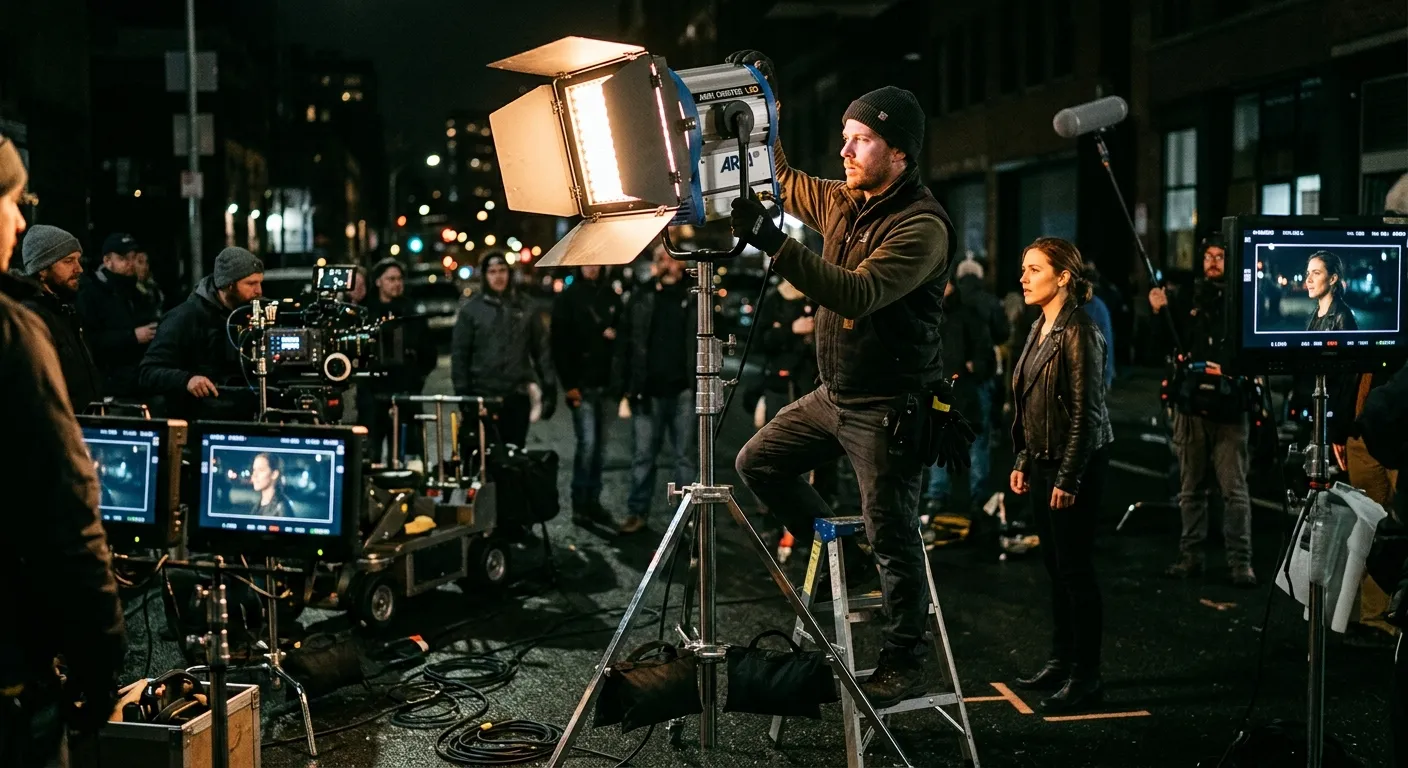
A Film Lighting Technician, often referred to as a Spark or Lighting Electrician, is far more than just someone who sets up lights. They are the crucial bridge between the Director of Photography's (DP) creative vision and the physical, electrical reality on set. In the high-pressure, fast-paced environment of film and television production, their expertise directly impacts budget, schedule, and most importantly, the visual quality of the final product. From blockbuster features to independent documentaries, the demand for skilled, reliable technicians is constant. Understanding their core responsibilities is the first step in building a winning team fast for any production.
Core Technician Categories & Responsibilities
The day-to-day work is physically demanding and intellectually rigorous. Technicians must interpret lighting plots and diagrams, safely rig heavy equipment on stands, ladders, and overhead grids, and manage vast quantities of cable. They are responsible for the power distribution on set—calculating load requirements, running generators, and ensuring all connections adhere to strict health and safety regulations. A lapse here can cause costly delays or dangerous accidents. Furthermore, they execute the lighting changes called for by the DP between shots, requiring speed, precision, and an understanding of cinematic continuity.
- Equipment Mastery: Proficient with HMIs, LEDs, Tungsten fixtures, diffusion, flags, and a vast array of grip equipment.
- Electrical Safety & Compliance: Deep knowledge of on-set power, PAT testing, and regulations to protect cast and crew.
- Creative Collaboration: Works directly under the Gaffer to realize the DP's lighting vision for mood, time of day, and drama.
- Logistics & Problem-Solving: Anticipates equipment needs, troubleshoots faulty gear, and adapts to changing locations and weather.
Pro-Tip: The Interview Litmus Test
When interviewing a Film Lighting Technician, move beyond the CV. Present a real-world scenario:"We're shooting a day-for-night interior scene with windows. The DP wants a cool, moonlit feel but with a practical warm lamp in the corner. Walk me through the equipment you'd pull and how you'd balance the colour temperatures." Their answer reveals practical knowledge, creative thinking, and problem-solving ability instantly. For more advanced screening techniques, see our guide on Candidate Screening Strategies for 2026.
Why Hiring the Right Film Lighting Technician is a Business-Critical Decision
In filmmaking, time is money. Every minute of delay costs thousands in crew rates, location fees, and talent costs. An inexperienced or unreliable technician can create cascading failures: unsafe sets, blown fuses halting production, or poorly executed lighting that requires costly reshoots. Conversely, a top-tier technician is a force multiplier—efficient, innovative, and a morale booster for the entire crew. The financial impact of a hiring decision here is as significant as in any industrial sector, akin to the insights shared in our analysis of warehouse understaffing.
Schedule & Budget Integrity
Expert technicians work swiftly and correctly the first time. They prevent costly downtime from electrical faults, equipment damage, or reshoots due to lighting errors, directly protecting your production's bottom line.
On-Set Safety & Compliance
They ensure all lighting and power setups meet rigorous health and safety standards. This mitigates legal risk, prevents accidents, and creates a secure environment for everyone, much like the compliance needed in securing elite props handlers.
Creative Vision Realization
The lighting is the canvas. Skilled technicians translate subtle creative notes into precise physical adjustments, directly elevating the production value and emotional impact of every scene, which is the ultimate return on investment.
The 2026 Blueprint for Hiring & Managing Film Lighting Technicians
The recruitment landscape is evolving. The rise of streaming content has increased volume, while skilled crew are in high demand. A strategic, modern approach is required to attract and retain the best talent.
1. Strategic Sourcing: Where to Find Top Talent
Gone are the days of relying solely on word-of-mouth. While personal networks remain powerful, expand your reach:
- Specialized Job Boards: Use platforms dedicated to film and TV crew (e.g., Mandy, Staff Me Up, Production Beast).
- Industry Training Schemes: Engage with graduates of respected film school technical programs or union apprenticeship schemes for fresh, trained talent.
- Recruitment Agencies with Sector Expertise: Partner with agencies that understand film production's unique pressures and timelines. They can provide vetted, available technicians at speed, similar to how we provide temporary IT staffing for tech crises.
2. The Role of Contracts Manager Recruitment in Crew Assembly
For larger productions or facilities houses, a dedicated Contracts Manager is invaluable. This role oversees the entire hiring lifecycle for freelance crew like Lighting Technicians. They negotiate rates and terms, manage compliance (right-to-work, insurance, tax status), handle onboarding paperwork, and ensure timely payments. Effective Contracts Manager Recruitment ensures your production has a professional managing the complex web of freelance agreements, reducing administrative burden on line producers and HODs. This strategic function aligns with the principles in our guide HR Solutions: Transform Your Talent Acquisition Strategy.
3. Vetting & Assessment: Beyond the Showreel
A technician's kit list and credits are a starting point. Deep vetting is essential:
Reference Checks
Speak directly to previous Gaffers or Best Boys. Ask specific questions about reliability, attitude under pressure, and technical problem-solving.
Practical Assessment
For key roles, consider a paid half-day trial on a dummy set. Have them execute a standard lighting task to assess their workflow, safety habits, and kit knowledge.
Learn the key differentiators between exceptional and mediocre staffing partners in this 2026 guide.
4. Retention & Building Long-Term Relationships
The film industry runs on relationships. To build a reliable"go-to" crew list:
- Fair & Timely Payment: Nothing damages a relationship faster than payment delays. Streamline your invoicing process.
- Clear Communication: Provide call sheets, lighting plots, and expectations well in advance.
- Professional Respect: Value their expertise, maintain a safe and respectful set, and provide proper catering and working conditions.
- Career Development: Where possible, offer opportunities for skilled technicians to move up to Best Boy or Generator Operator roles.
This holistic approach to talent management mirrors strategies used across sectors, such as those outlined for onboarding new employees effectively to ensure long-term success.
Navigating Pay Rates, Contracts & Industry Standards
Remuneration for Film Lighting Technicians varies widely based on production budget (studio feature vs. indie), location, union status, and the technician's specific experience level. Understanding this landscape is crucial for both hiring managers and technicians themselves.
| Production Type | Typical Day Rate Range (UK) | Key Factors |
|---|---|---|
| Major Studio Feature / High-End TV | £250 - £400+ | Often unionized (BECTU), long hours, premium for special skills (e.g., underwater lighting, SFX). |
| Independent Film / Commercial | £180 - £280 | Rates negotiable, may include kit rental fees for personal equipment. |
| Corporate Video / Online Content | £150 - £220 | Shorter days, simpler setups, but requires versatility and speed. |
Critical Contract Clauses
A clear contract protects both parties. Ensure it includes:
- Rate & Payment Terms: Specify daily/weekly rate, overtime multipliers, and payment deadline (e.g., NET 14 days).
- Kit Rental: If the technician provides their own specialist tools/meters, detail the separate rental fee.
- Hours & Turnaround: Define standard working day length and mandated rest periods between shooting days.
- Cancellation Policy: Agree on fees if a booking is cancelled with short notice.
- Credit & Rights: Clarify on-screen credit entitlement and that the work is"work for hire."
For businesses frequently hiring freelance crew, utilizing a Hiring Cost Calculator can help model the full financial impact of these engagements beyond the day rate.
Film Lighting Technician: Frequently Asked Questions
Get immediate answers to the most common questions about hiring, qualifications, and career paths for Film Lighting Technicians.
Illuminate Your Next Production with Confidence
Don't let crew sourcing dim your project's potential. Whether you need a single skilled Film Lighting Technician for a day or an entire electrical department for a 12-month series, having the right recruitment strategy is paramount. Access pre-vetted talent, streamline Contracts Manager Recruitment, and ensure your set is powered by expertise.
For insights on building flexible, resilient teams across all sectors, explore our resource: The Future of Work: Why Flexible Staffing Is Here to Stay in 2026.