











Workers Direct - Dryliner in Derby – Derby Drylining Jobs for Metal Stud, Boarding and Finishing on Commercial Fit-Out Projects
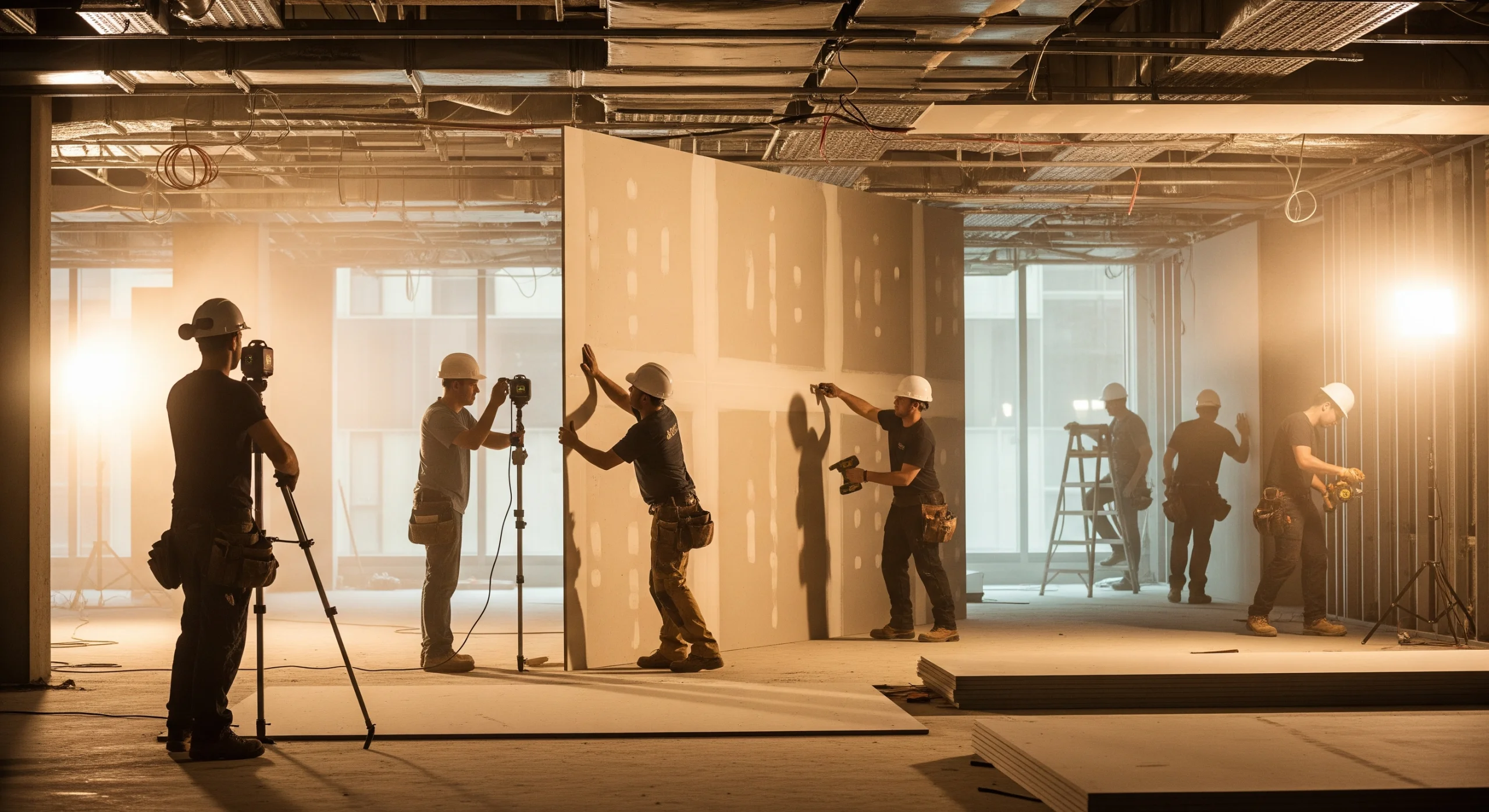
Derby's construction sector is booming, with commercial fit-out projects creating consistent demand for qualified dryliners who can deliver quality workmanship on tight schedules. From towering office developments to expansive retail spaces and hospitality venues, the need for skilled professionals who can handle metal stud partitioning, plasterboard installation, and impeccable finishing work has never been higher.
Understanding Drylining Work in Derby's Thriving Construction Scene
Derby has experienced significant urban regeneration over the past decade, transforming its skyline and creating abundant opportunities for construction workers across all trades. The city's strategic location in the East Midlands, combined with excellent transport links and a growing business community, has positioned Derby as a construction hotspot where commercial fit-out projects are constantly underway.
Drylining, also known as plasterboard installation or drywall work, forms the backbone of modern interior construction. It's the process that transforms bare steel frames into finished walls and ceilings, creating the clean, professional spaces that businesses require. For dryliners working on commercial fit-out projects in Derby, this means being proficient in several key areas:
Metal Stud Work: The Foundation of Modern Partitioning
Metal stud framing represents the skeleton of interior partitioning systems. Dryliners skilled in this area measure, cut, and install the steel framework that will support plasterboard panels. This work requires precision, as even minor miscalculations can lead to problems down the line. In Derby's commercial projects, you'll often work with various stud specifications depending on the building's fire rating requirements, acoustic performance needs, and structural demands.
The work involves fixing floor and ceiling channels, installing vertical studs at precise centers (typically 400mm or 600mm), and incorporating noggins for additional strength where needed. You'll also need to coordinate with other trades, ensuring that electrical conduits, plumbing runs, and HVAC installations are properly accommodated within the stud framework.
Boarding: Precision Installation for Perfect Walls
Once the metal stud framework is in place, boarding begins. This stage involves fixing plasterboard sheets to the framework using the appropriate fixing methods – typically drywall screws at specified centers. Commercial fit-out work in Derby often requires knowledge of various board types, including standard plasterboard, fire-resistant boards, moisture-resistant variants, and acoustic boards for sound insulation.
Skilled dryliners know how to minimize waste, plan board layouts efficiently, and create clean joints that will be invisible once finishing is complete. You'll work with full sheets (typically 2400mm x 1200mm) and need to cut and shape boards around obstacles like doorways, windows, and service penetrations. The quality of your boarding work directly impacts the final appearance, so attention to detail is absolutely essential.
Finishing: Creating Flawless Surfaces
Finishing, or "taping and jointing" as it's commonly known, is where drylining truly becomes an art form. This stage involves applying joint compound (also called joint filler or "muck") to the seams between boards, embedding paper or mesh tape, and building up multiple coats to create perfectly smooth, invisible joints. Internal and external corners receive special treatment with corner beads and additional compound application.
Commercial projects in Derby demand high-quality finishes that will stand up to professional scrutiny. You'll typically apply three coats – a taping coat, a second coat to build up the joint, and a final skim coat for smoothness. Each coat must be properly dried and sanded before the next application. The best dryliners develop an almost intuitive feel for compound consistency, application pressure, and drying times that produce flawless results.
Why Derby Is an Excellent Location for Drylining Professionals
Derby might not have London's size or Manchester's international profile, but for construction professionals – particularly dryliners – it offers some compelling advantages. Understanding what makes Derby special can help you appreciate why securing drylining work in this East Midlands city could be one of the best career moves you'll make.
Strategic Location and Transport Links
Derby sits at the heart of the UK, with excellent road connections via the A38, A52, and M1 motorway. This central location means you're never far from other major employment centers. If you're based in Derby but occasionally want to take contracts in Gloucester or even travel toward Ealing in London, the transport infrastructure makes it entirely feasible. Derby's railway station offers fast connections to London, Birmingham, and Sheffield, opening up even more opportunities for flexible working arrangements.
Growing Commercial Sector
Derby's economy has diversified significantly beyond its traditional manufacturing base. While Rolls-Royce and Bombardier remain major employers, the city has attracted numerous service businesses, tech companies, and professional services firms. Each of these requires office space, and every office fit-out project needs skilled dryliners. The retail and hospitality sectors are also expanding, with new restaurants, hotels, and shopping facilities regularly breaking ground.
This economic diversity creates steady work throughout the year, with multiple projects overlapping. For dryliners registered with Team Workers Direct, this means you're unlikely to experience significant gaps between contracts. As soon as one project wraps up, another is typically ready to begin.
Cost of Living Advantages
Compared to southern England, Derby offers much more affordable living costs. Housing, whether renting or buying, costs considerably less than in cities like London, Bristol, or Cambridge. This means your drylining wages go further, allowing you to save more or enjoy a better quality of life. Many construction workers find they can afford to buy property in Derby while working in the trade – something that's increasingly challenging in expensive southeastern cities.
Daily expenses like food, transport, and entertainment are also more affordable, meaning your take-home pay from drylining work genuinely improves your financial situation rather than simply covering high living costs.
Quality of Life
Derby offers an excellent work-life balance. The city provides urban amenities – good schools, healthcare facilities, shopping, dining, and entertainment – without the stress and crowds of massive metropolitan areas. You're also close to the Peak District National Park, offering outdoor recreation opportunities that are perfect for unwinding after a hard week on site.
Commute times are typically short, so you're not spending hours in traffic or on packed trains. This means more time with family, more energy for hobbies, and less stress overall. For construction workers who value both career opportunities and quality of life, Derby hits a sweet spot that's hard to match.
Derby Construction Employment Overview: Key Industries and Opportunities
| Industry Sector | Primary Project Types | Demand for Dryliners | Average Project Duration |
|---|---|---|---|
| Commercial Office Fit-Outs | Corporate headquarters, co-working spaces, professional services offices | Very High | 3-8 months |
| Retail and Hospitality | Restaurants, hotels, shopping centers, leisure facilities | High | 2-6 months |
| Education Facilities | University buildings, college extensions, training centers | Moderate to High | 4-12 months |
| Healthcare | Medical centers, clinics, care facilities | Moderate | 3-9 months |
| Residential Developments | Apartment buildings, housing developments | Moderate | 6-18 months |
Team Workers Direct: Your Partner in Finding Premium Drylining Work
Navigating the construction recruitment landscape can be frustrating. You've probably dealt with agencies that don't understand the trade, that promise jobs that never materialize, or that treat you like a number rather than a skilled professional. Team Workers Direct operates differently. We're construction specialists who understand what dryliners do, what makes a good project, and how to match the right workers with the right opportunities.
What Sets Workers Direct Apart
Our approach to construction staff recruitment is built on genuine relationships and industry expertise. We don't just fill vacancies; we build careers. Here's what makes us different:
Specialized Construction Knowledge: Our recruiters aren't generalists trying to fill every type of job. We focus specifically on construction and trades, which means we understand the nuances of drylining work. We know the difference between basic boarding and complex commercial fit-out requirements. We understand the skill progression from basic metal stud work through to advanced finishing techniques. This knowledge ensures we place you in roles that match your actual capabilities and career goals.
Direct Relationships with Major Contractors: We've built strong partnerships with leading construction companies operating throughout Derby and the wider East Midlands. These relationships mean we often know about opportunities before they're publicly advertised, giving our registered workers first access to the best positions. Our contractors trust us to provide reliable, skilled workers, which means they're more likely to offer competitive rates and good working conditions.
Ongoing Support: Our relationship with you doesn't end once you start a job. We maintain regular contact, ensuring you're satisfied with the placement and addressing any concerns that arise. If you encounter issues on site – whether it's unclear expectations, payment problems, or safety concerns – we're in your corner, advocating on your behalf.
Flexible Working Arrangements: We understand that different workers have different needs. Some dryliners want long-term contracts that provide stability and consistent income. Others prefer shorter assignments that offer variety and flexibility. Whether you're looking for permanent positions, long-term temporary contracts, or short-term assignments to fill gaps between other commitments, we can accommodate your preferences.
How Team Workers Direct Matches Dryliners with Perfect Opportunities
Our matching process is thorough because we believe that successful placements benefit everyone – the worker, the contractor, and our agency. Here's how we ensure you find the right drylining work in Derby:
Detailed Skills Assessment: When you register with Workers Direct, we conduct a comprehensive assessment of your drylining capabilities. We want to know about your experience with metal stud systems, your boarding techniques, your finishing skills, and your familiarity with various project types. We also discuss your certifications (CSCS card, first aid, working at height, etc.) and your safety track record. This detailed understanding allows us to confidently recommend you for appropriate positions.
Understanding Your Preferences: Beyond skills, we learn about your working preferences. What type of projects do you enjoy most? Do you prefer large-scale commercial work or smaller, more detailed fit-outs? Are you comfortable working at heights? Do you have any location preferences or travel limitations? What are your rate expectations? By understanding these factors, we avoid placing you in situations that won't satisfy you long-term.
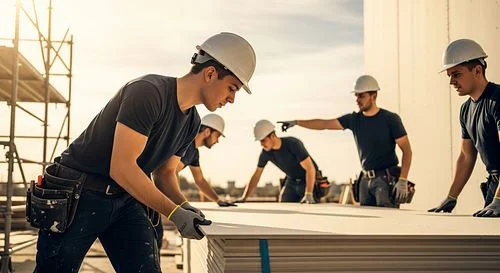
Matching with Suitable Projects: Once we understand your profile, we match you with projects that align with your skills and preferences. We provide full details about each opportunity – the project scope, expected duration, site location, working hours, pay rates, and the main contractor's expectations. You'll never be pressured to accept a position that doesn't feel right.
Preparation and Onboarding: When you accept a position, we ensure you have everything needed to start successfully. We coordinate site induction arrangements, confirm start dates and times, provide contact information for site supervisors, and clarify any specific requirements. This preparation ensures your first day runs smoothly, allowing you to focus on demonstrating your drylining expertise rather than worrying about logistics.
Essential Skills and Qualifications for Derby Drylining Roles
To secure the best drylining opportunities in Derby through Team Workers Direct, you'll need a combination of technical skills, relevant certifications, and professional attributes. Understanding these requirements helps you identify areas for development and ensures you're positioning yourself competitively in the market.
Technical Drylining Competencies
Commercial fit-out projects demand high-level technical skills. Here's what contractors typically seek:
Metal Stud Installation Proficiency: You should be comfortable reading technical drawings, understanding wall specifications, and installing metal stud frameworks to precise measurements. This includes knowledge of different stud profiles, appropriate fixing methods for various substrates, and understanding how to create openings for doors, windows, and service penetrations.
Board Fixing Expertise: Efficient, accurate boarding is essential. You'll need to demonstrate proper fixing techniques, appropriate screw spacing, correct treatment of corners and junctions, and methods for achieving sound insulation and fire resistance when required. Understanding how to work with different board types and thicknesses is also important.
Jointing and Finishing Mastery: High-quality finishing separates adequate dryliners from exceptional ones. You should be skilled in applying compound at the right consistency, embedding tape properly, building up joints gradually, creating invisible seams, and finishing to a standard ready for painting. Internal and external corner treatment should be particularly strong, as these areas are highly visible in finished spaces.
Problem-Solving Abilities: Construction sites present unexpected challenges. Services might be positioned differently than shown on drawings, dimensions might be slightly off, or materials might arrive in different specifications than expected. The best dryliners can adapt, finding solutions that maintain quality while keeping projects on schedule.
Required Certifications and Documentation
To work on commercial construction sites in Derby, you'll typically need:
CSCS Card: The Construction Skills Certification Scheme card is essentially mandatory for site access. At minimum, you'll need a Labourer CSCS card, though a Skilled Worker CSCS card (achieved by passing the relevant NVQ) significantly improves your employment prospects and earning potential. Team Workers Direct can advise on obtaining or upgrading your CSCS certification.
Proof of Right to Work: You'll need documentation proving your right to work in the UK. For British citizens, this typically means a passport or birth certificate. For others, appropriate visa documentation is required.
Additional Certifications: Depending on the project, you might benefit from additional qualifications such as working at height certification, first aid training, asbestos awareness, manual handling certification, or PASMA (tower scaffold) tickets. While not always mandatory, these certifications make you more versatile and valuable to contractors.
Professional Attributes That Get You Hired
Technical skills and certifications get you considered, but professional attributes get you hired and rehired. Contractors consistently tell us they value:
Reliability: Showing up on time, every day, ready to work. Construction schedules are tight, and contractors need workers they can depend on absolutely. A reputation for reliability makes you a sought-after worker who gets first call for new projects.
Quality Focus: Taking pride in your work and maintaining high standards even when under time pressure. Contractors know that quality work reduces callbacks and enhances their reputation with clients, so dryliners who consistently deliver excellent results become invaluable team members.
Safety Consciousness: Following safety protocols, wearing appropriate PPE, and looking out for colleagues' wellbeing. Sites with good safety records are more pleasant places to work, and everyone benefits when safety is taken seriously.
Team Collaboration: Working effectively with other trades, communicating clearly, and contributing to a positive site atmosphere. Construction is fundamentally collaborative, and workers who enhance team dynamics are always in demand.
Willingness to Learn: Even experienced dryliners encounter new techniques, materials, or systems. Showing enthusiasm for learning and adapting to new requirements demonstrates professionalism and ensures your skills remain current.
Derby Drylining Roles: Salary Expectations and Experience Requirements
| Position Level | Experience Required | Daily Rate Range | Annual Equivalent (Full-time) |
|---|---|---|---|
| Improver/Junior Dryliner | 0-2 years, basic skills in boarding and finishing | £90-£120 | £23,400-£31,200 |
| Dryliner | 2-5 years, competent across metal stud, boarding, and finishing | £120-£160 | £31,200-£41,600 |
| Experienced Dryliner | 5-10 years, high-quality finishing, independent working | £160-£190 | £41,600-£49,400 |
| Senior Dryliner/Lead Hand | 10+ years, supervision capabilities, complex project experience | £190-£220 | £49,400-£57,200 |
| Drylining Supervisor/Foreman | Extensive experience, team management, quality control oversight | £220-£280+ | £57,200-£72,800+ |
Note: Rates are approximate and vary based on project complexity, contractor, and current market conditions. Workers Direct negotiates competitive rates on your behalf.
The Commercial Fit-Out Process: Where Dryliners Fit In
Understanding the broader commercial fit-out process helps you appreciate how your drylining work contributes to project success and how to coordinate effectively with other trades. Commercial fit-out projects typically follow a structured sequence, with drylining playing a central role in transforming raw space into functional, attractive interiors.
Project Phases and Drylining Integration
Initial Strip-Out and Preparation: Before drylining begins, the space undergoes strip-out, removing existing partitions, ceilings, and finishes. Post-construction cleaners and site laborers clear debris, preparing the space for new construction. While dryliners aren't typically involved at this stage, understanding that proper preparation impacts your work helps you anticipate potential challenges.
Services First Fix: Electricians, plumbers, and HVAC engineers install their first-fix work – running cables, pipes, and ductwork. As a dryliner, you'll need to coordinate with these trades, ensuring your metal stud framework accommodates their installations without compromising structural integrity or creating access problems later.
Metal Stud Installation: This is where drylining work begins in earnest. You'll set out partition lines according to drawings, fix floor and ceiling tracks, install vertical studs, and create openings for doors and other penetrations. Accuracy at this stage is crucial, as errors become exponentially more difficult to correct once boarding begins.
Boarding First Side: Once the framework is complete and services first-fix is installed, you'll board one side of partitions. This allows services to be inspected before they're enclosed, satisfying building control requirements. You'll also create cutouts for electrical sockets, switches, and other services penetrations.
Insulation and Services Completion: With one side boarded, insulation is installed within partition cavities (for acoustic or thermal performance), and remaining services work is completed. You might be involved in this coordination, ensuring everything is properly positioned before the second board side goes up.
Boarding Second Side and Ceilings: The second side of partitions is boarded, enclosing all services. Suspended ceilings or plasterboard ceilings are also installed at this stage. This "closes up" the space, creating the basic room layout.
Jointing and Finishing: Now the detailed finishing work begins. You'll tape all joints, apply multiple coats of compound, fix and finish corner beads, and sand everything smooth. This stage requires patience and precision, as rushing produces visible defects that compromise the final appearance.
Decoration and Final Fit-Out: Once your finishing work is complete and approved, decorators apply paint or wallcoverings. Final fixtures, fittings, and furnishings are installed, transforming the drylining work into a completed commercial space.
Coordination with Other Trades
Successful commercial fit-out requires seamless coordination between trades. As a dryliner, you'll regularly interact with:
Electricians: Ensuring your framework accommodates lighting positions, socket locations, and cable runs. Communication about fixing heights and service penetrations prevents conflicts and rework.
Plumbers: Coordinating around bathroom and kitchen areas where water services penetrate walls. Understanding their requirements for access panels and pipe boxing is essential.
HVAC Engineers: Working around ductwork, grilles, and access panels. Large ducts might affect partition layouts or ceiling heights, requiring flexible problem-solving.
Carpenters: Coordinating door frame installation with your stud positions. Frames must be properly fixed and aligned with your partitions for best results.
Painters and Decorators: Delivering surfaces that are ready for decoration – smooth, level, and free from defects. The quality of your finishing directly impacts how easily they can achieve excellent painted finishes.
Much like finding general labourer construction jobs in London, navigating Derby's construction market benefits enormously from having a knowledgeable recruitment partner who understands trade interdependencies and project workflows.
Conclusion
The construction industry in Derby is vibrant, and the demand for skilled dryliners is robust. Whether you are tackling metal stud partitioning for a high-rise office or finishing complex bulkheads in a retail unit, the work is there for those who want it. But finding the right work—the kind that pays well, treats you with respect, and offers continuity—requires the right partner.
Team Workers Direct, The Recruitment Agency, is committed to bridging the gap between talent and opportunity. From Derby to London, from Gloucester to Cambridge, we are the engine keeping UK construction sites moving. Don't leave your next contract to chance. Join a team that values your craft.
Ready to start your next project? Contact Team Workers Direct today and let’s get you on site.
FAQs
1. Do I need a CSCS card to work as a dryliner in Derby?
Yes, almost entirely. For commercial fit-out projects, a CSCS card is mandatory to get on site. A Blue Skilled Worker card (NVQ Level 2) is preferred for dryliners, as it proves your competency. Some sites may accept a Green Labourer card for mates or improvers, but to earn the top rates, you need the Blue or Gold card.
2. Can Workers Direct help me if I don't live in Derby?
Absolutely. We are a nationwide agency. We have extensive listings in London, Nottingham, Gloucester, Reading, and many other locations. If you are willing to travel or relocate, we can often find you accommodation-inclusive roles or simply connect you with jobs in your local area.
3. What tools does a dryliner need to provide?
Generally, you are expected to have your own hand tools (tape measure, rasp, pad saw, tin snips, hammer, knife) and basic power tools (cordless drill/driver, impact driver). For commercial jobs, a laser level is highly recommended. The main contractor usually provides the materials and larger equipment like chop saws or board lifters.
4. How quickly can I get paid after a week of work?
Team Workers Direct operates on a weekly payroll cycle. You submit your timesheet signed by the site manager at the end of the week, and payment is processed the following week. We pride ourselves on prompt payment because we know you have bills to pay.
5. Is there work available for drylining "mates" or assistants?
Yes. Commercial projects often require drylining mates to help with lifting boards, moving materials, and keeping the work area clean. This is a fantastic way to learn the trade. If you show aptitude and turn up every day, many dryliners will teach you the skills needed to eventually become a fixer yourself.