

















Workers Direct: Immediate Start – Joiner / Carpenter in London

Job Description: Joiner / Carpenter in London
Main Responsibilities:
• Interpret technical drawings and specifications
• Measure, cut, shape, and assemble wood and other materials
• Install doors, windows, staircases, and fitted furniture
• Construct and fit kitchen units, wardrobes, and other built-in fixtures
• Repair and restore wooden structures and furniture
• Create and install wooden frameworks for buildings
• Maintain and sharpen tools and equipment
• Ensure compliance with health and safety regulations
• Collaborate with other construction professionals on projects
Required Skills & Qualifications:
• NVQ Level 2 or 3 in Carpentry and Joinery
• City & Guilds qualification in Carpentry and Joinery
• Valid CSCS card
• Excellent woodworking skills and attention to detail
• Proficiency in using hand and power tools
• Strong mathematical and measuring skills
• Physical stamina and ability to lift heavy materials
• Good problem-solving abilities
• Effective communication skills
Experience:
• Minimum 2-3 years of experience as a Joiner/Carpenter
• Experience in both residential and commercial projects
• Familiarity with various wood types and their properties
• Knowledge of building codes and regulations
Types of Joiner / Carpenter roles in London:
1. Bench Joiner
2. Site Carpenter
3. Shopfitter
4. Furniture Maker
5. Kitchen Fitter
6. Restoration Carpenter
7. Formwork Carpenter
8. Theatrical Carpenter
Pay Rates for Joiner / Carpenter in London:
• Entry-level: £14 – £18 per hour
• Experienced: £18 – £25 per hour
• Highly Skilled/Specialized: £25 – £35+ per hour
Annual salaries:
• Junior Carpenter: £25,000 – £30,000
• Mid-level Carpenter: £30,000 – £40,000
• Senior Carpenter: £40,000 – £50,000+
Pay rates may vary depending on the employer, project complexity, and specific skills required.
The Essential Role of Joiners and Carpenters in London's Construction Industry
London, a city steeped in history and architectural marvels, owes much of its charm to the skilled craftsmen who have shaped its buildings over centuries. Among these artisans, joiners and carpenters hold a special place, their expertise crucial in both preserving the city's heritage and contributing to its modern development. We delve into the world of joiners and carpenters in London, exploring their significance, the skills they possess, and the evolving nature of their trade in one of the world's most dynamic cities.
Understanding the Distinction Between Joiners and Carpenters
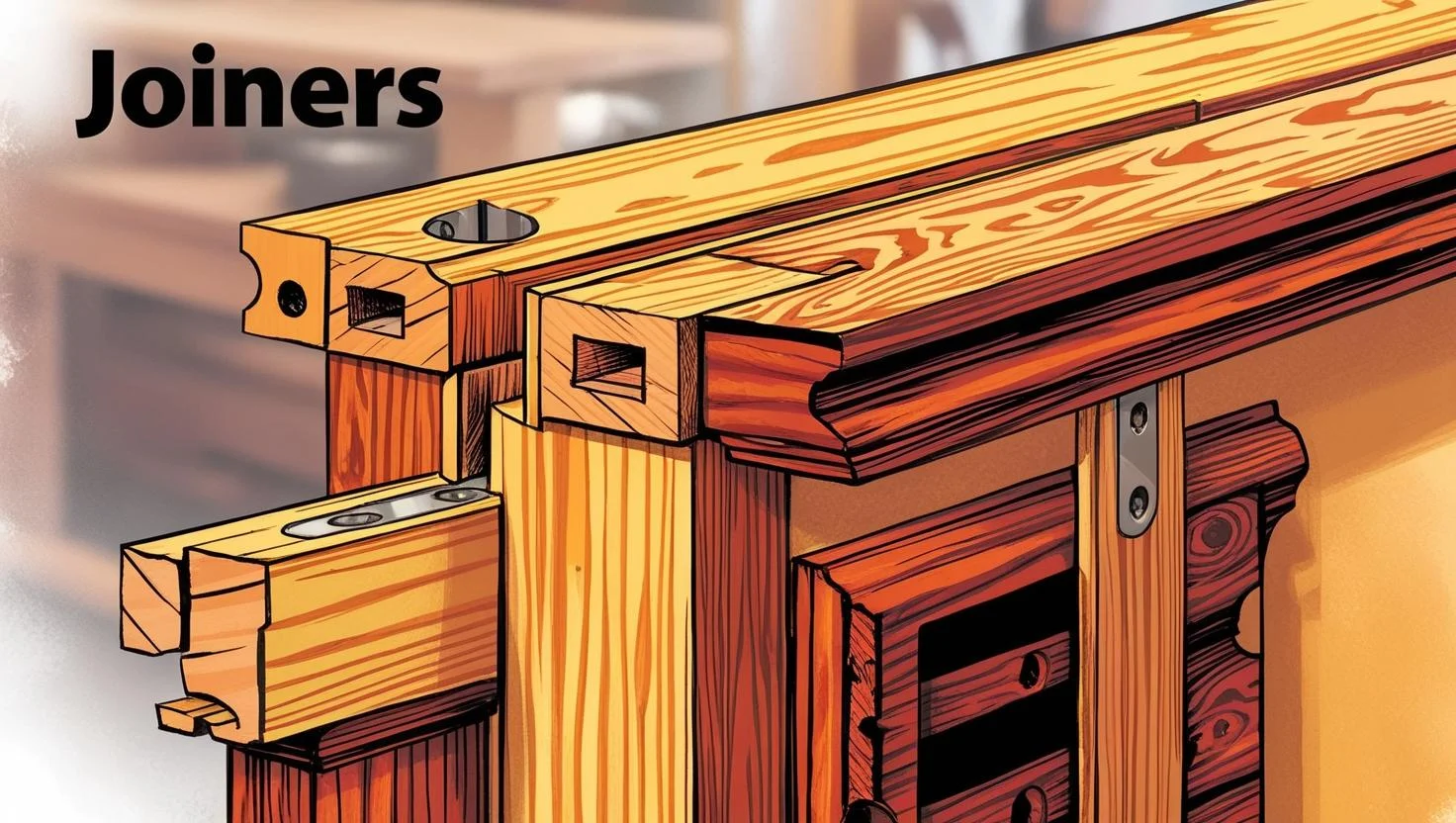
While the terms "joiner" and "carpenter" are often used interchangeably, there are subtle differences between these two closely related trades. Joiners typically specialize in creating and fitting wooden components that are essential to a building's structure or interior, such as doors, windows, stairs, and fitted furniture. Their work often involves intricate detail and precision, usually carried out in a workshop setting.
Carpenters, on the other hand, tend to focus more on the structural elements of a building. They work with larger pieces of timber, constructing frameworks for houses, roofs, and floors. Carpenters are more likely to be found on construction sites, adapting their work to fit the specific requirements of each project.
In London, the lines between these two professions often blur, with many skilled tradespeople proficient in both joinery and carpentry. This versatility is particularly valuable in a city where projects can range from restoring Tudor-era buildings to constructing cutting-edge modern structures.
The Rich History of Woodworking in London
London's relationship with woodworking dates back centuries. The city's growth and prosperity have long been intertwined with the skills of its joiners and carpenters. From the timber-framed houses of medieval London to the ornate interiors of Georgian townhouses, wood has played a central role in shaping the city's architectural identity.
The Great Fire of London in 1666 marked a significant turning point for the carpentry trade. In the aftermath of the disaster, new building regulations favored brick and stone construction. However, this shift did not diminish the importance of woodworkers. Instead, it led to a greater emphasis on interior joinery and fine carpentry, skills that continue to be highly valued in London's construction and restoration projects today.
Modern Challenges and Opportunities for London's Joiners and Carpenters
In contemporary London, joiners and carpenters face a unique set of challenges and opportunities. The city's rapid development and the constant pressure to modernize existing structures create a steady demand for skilled woodworkers. At the same time, there is an increasing emphasis on preserving London's architectural heritage, requiring specialists who can blend traditional techniques with modern materials and methods.
One of the most significant challenges is the need to adapt to new technologies and materials. While traditional woodworking skills remain crucial, today's joiners and carpenters must also be proficient in using computer-aided design (CAD) software, working with engineered wood products, and incorporating sustainable materials into their projects.
The rise of prefabrication in construction has also impacted the trade. Many components that were once crafted on-site are now manufactured in controlled workshop environments, requiring joiners and carpenters to adapt their skills and work processes accordingly.
Specializations Within the Trade
London's diverse architectural landscape has given rise to various specializations within the joinery and carpentry trades. Some professionals focus on heritage restoration, working on projects that involve repairing and recreating historical wooden elements in listed buildings or conservation areas. Others specialize in high-end bespoke joinery, creating custom-made furniture and fittings for luxury homes and exclusive commercial spaces.
The city's thriving theater and film industry also provides unique opportunities for joiners and carpenters. Set construction requires a specific skill set, combining traditional woodworking techniques with the ability to create temporary structures that are both visually impressive and practically functional.
Additionally, the growing trend towards sustainable construction has opened up new avenues for woodworkers who specialize in eco-friendly materials and techniques. This includes working with reclaimed timber, utilizing fast-growing sustainable wood species, and implementing energy-efficient designs in their projects.
Training and Education for Aspiring Joiners and Carpenters in London
For those looking to enter the trade in London, there are numerous pathways to becoming a skilled joiner or carpenter. Traditional apprenticeships remain a popular route, allowing aspiring craftspeople to learn on the job while also attending college courses. These programs typically last between two to four years and provide a solid foundation in both practical skills and theoretical knowledge.
Several colleges and training centers across London offer specialized courses in joinery and carpentry. These range from basic introductory programs to advanced qualifications that cover complex techniques and project management skills. Some institutions also provide short courses focusing on specific aspects of the trade, such as restoration techniques or working with particular types of wood.
Continuing education is increasingly important in the field, with many established professionals regularly updating their skills to stay abreast of new technologies and materials. This commitment to ongoing learning is crucial in a city where construction methods and design trends are constantly evolving.
The Business Side of Joinery and Carpentry in London
London's competitive construction market presents both challenges and opportunities for joiners and carpenters looking to establish their businesses. Many professionals start as employees in larger firms before branching out on their own. Self-employment is common in the trade, with many joiners and carpenters operating as independent contractors or running small specialized companies.
Networking plays a crucial role in the industry. Building relationships with architects, interior designers, and property developers can lead to a steady stream of projects. Many successful joiners and carpenters in London have built their reputations through word-of-mouth recommendations, showcasing the importance of quality workmanship and reliable service.
The city's diverse clientele, ranging from homeowners undertaking renovations to large-scale commercial developers, means that there are opportunities for businesses of all sizes. Some joiners and carpenters choose to specialize in particular types of projects or cater to specific market segments, while others maintain a broader portfolio to maximize their potential client base.
Sustainability and Innovation in London's Woodworking Industry
As London strives to become a more sustainable city, joiners and carpenters are at the forefront of implementing eco-friendly practices in construction and renovation. This includes using sustainably sourced timber, minimizing waste through efficient design and production methods, and incorporating reclaimed materials into new projects.
Innovation in materials science is also influencing the trade. Engineered wood products, such as cross-laminated timber (CLT), are gaining popularity in London's construction industry due to their strength, versatility, and environmental benefits. Joiners and carpenters are adapting their skills to work with these new materials, often combining traditional craftsmanship with modern manufacturing techniques.
The integration of digital technologies is another area of innovation. From 3D modeling software that allows for precise planning and visualization of projects to CNC (Computer Numerical Control) machines that can produce complex components with high accuracy, technology is reshaping how joiners and carpenters approach their work.
The Future of Joinery and Carpentry in London
Looking ahead, the future of joinery and carpentry in London appears bright, albeit with some challenges. The ongoing demand for skilled craftspeople, coupled with a renewed appreciation for bespoke, high-quality woodwork, suggests that there will continue to be opportunities in the field. However, the trade will need to evolve to meet changing demands and technologies.
One potential challenge is the need to attract new talent to the industry. Efforts are being made to promote joinery and carpentry as viable and rewarding career options, highlighting the blend of traditional skills and modern technologies that characterize the contemporary trade.
The push towards more sustainable and energy-efficient buildings is likely to drive innovation in woodworking techniques and materials. Joiners and carpenters who can adapt to these changes and offer environmentally conscious solutions will be well-positioned for success in London's future construction landscape.
Conclusion
Joiners and carpenters play an indispensable role in shaping London's built environment. From preserving historical structures to contributing to cutting-edge architectural projects, their skills are central to the city's ongoing development and charm. As London continues to evolve, the trades of joinery and carpentry evolve with it, blending time-honored craftsmanship with modern technologies and sustainable practices.
The challenges faced by these trades – adapting to new materials, embracing technological advancements, and meeting sustainability goals – are balanced by the enduring demand for skilled woodworkers and the satisfaction of creating lasting, tangible contributions to the city's landscape. For those with a passion for working with wood and an eye for detail, a career in joinery or carpentry in London offers a unique opportunity to leave a lasting mark on one of the world's most iconic cities.
FAQs – Find Joiner / Carpenter in London with Team Workers Direct
1. What services does a joiner/carpenter in London typically offer?
A: London joiners/carpenters usually offer services such as custom furniture making, kitchen and bathroom installations, built-in wardrobes, door fitting, flooring installation, and general woodworking repairs.
2. How much does it cost to hire a joiner/carpenter in London?
A: Costs vary depending on the project, but hourly rates typically range from £25 to £50. For larger projects, carpenters may offer a fixed price quote after assessing the work required.

3. Do I need planning permission for carpentry work in my London home?
A: Most interior carpentry work doesn't require planning permission. However, for significant structural changes or exterior work, it's best to check with your local council.
4. How can I find a reliable joiner/carpenter in London?
A: Look for recommendations from friends or family, check online reviews, and verify credentials. Ensure they're registered with a professional trade association like the British Woodworking Federation.
5. What's the difference between a joiner and a carpenter in London?
A: While their skills often overlap, joiners typically focus on creating wooden components in a workshop, while carpenters usually work on-site, fitting and installing these components.
WHY CHOOSE OUR TEAM WORKERS DIRECT – THE PLACEMENT INDUSTRY? |
CONTACT INFORMATION |
|---|---|
|
|