














What Is Special Event Security? The Complete Guide to Safeguarding Your Event
Ensuring the safety of attendees, staff, and assets is the cornerstone of any successful event. This definitive guide explores what is special event security, what does event security do, and how to implement a professional security plan. Whether it's a corporate conference, music festival, or private gala, understanding event security is non-negotiable.
Hire Event Security Staff Now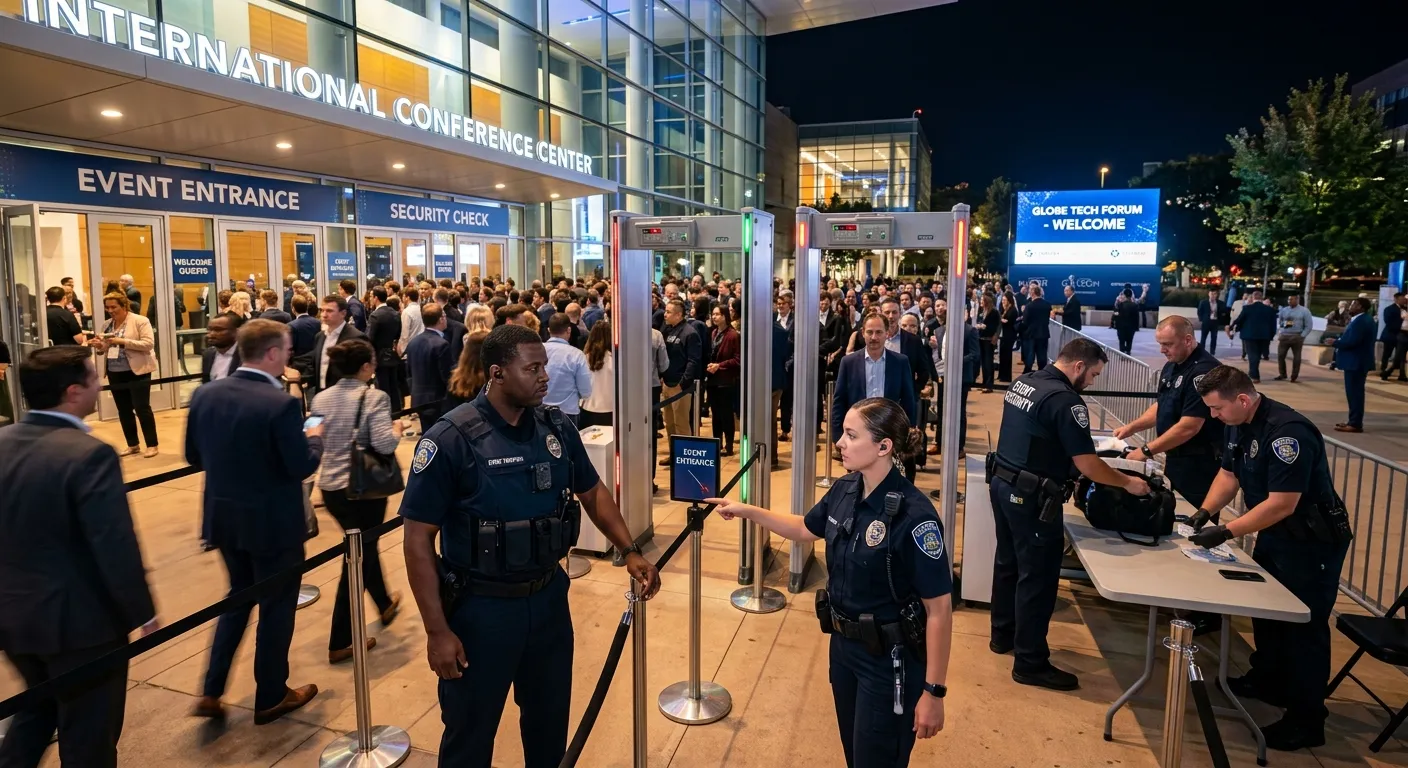
A Multi-Faceted Overview of Event Security
Special event security is not a monolithic task. It's a dynamic discipline requiring expertise across several key areas. Use the tabs below to explore the core components.
Defining Special Event Security
So, what is special event security? At its essence, it is the comprehensive framework of policies, personnel, and procedures designed to proactively manage risk and ensure a safe, secure environment for a temporary gathering. Unlike static security for a building, it is highly dynamic, adapting to the unique crowd, venue, and purpose of the event.
This involves a lifecycle approach: pre-event threat assessment and planning, real-time operational management during the event, and post-event analysis. The goal is not just to react to incidents, but to create an atmosphere where safety is woven into the attendee experience, allowing the event's primary purpose—celebration, networking, performance—to proceed without disruption.
Pro-Tip:
The most effective security is often invisible to the average attendee. It's about creating a seamless, safe experience through meticulous planning and professional, discreet personnel.
The Core Pillars of Effective Event Security
Professional event security delivers far more than just a physical presence. It is a strategic function that underpins the entire event's success. Here are its fundamental benefits and components.
Proactive Risk Mitigation
The primary role is to identify and neutralize threats before they materialize. This includes thorough venue sweeps, credential verification, and monitoring crowd behavior analytics to prevent incidents like gate-crashing, theft, or antisocial behavior, thereby protecting the event's reputation and financial viability.
Crowd Safety & Flow Management
Security personnel are trained in crowd dynamics. They manage ingress and egress, prevent dangerous overcrowding, and ensure clear emergency exits. This duty is critical for attendee comfort and safety, directly impacting the overall experience and preventing catastrophic crowd-related incidents.
Asset & VIP Protection
Events often involve high-value assets—audio-visual equipment, exhibition stock, cash floats—and high-profile individuals. Dedicated security details prevent theft, vandalism, and unauthorized access, while close protection officers ensure the safety of VIPs, managing their movement and interactions with the public.
Emergency Response Coordination
In the event of a medical emergency, fire, or other crisis, the security team acts as the first response unit. They are trained in first aid, evacuation procedures, and liaising directly with emergency services, providing critical information and crowd control to facilitate a swift, organized response.
Legal & Compliance Assurance
Event organizers have a legal 'duty of care'. Professional security ensures compliance with local regulations, licensing conditions (e.g., SIA licensing in the UK), and health & safety legislation. This mitigates legal liability and potential fines, providing organizers with peace of mind.
Enhanced Attendee Experience
Paradoxically, good security improves enjoyment. Attendees who feel safe are more relaxed and engaged. Efficient entry management reduces queue times, and a visible, professional security presence deters disruptive behavior, creating a positive environment where the event's purpose can shine.
What Does Event Security Do? A Step-by-Step Operational Breakdown
To move beyond theory, let's dissect the operational lifecycle. Understanding what does event security do in practice reveals the depth of planning and execution required.
Phase 1: Pre-Event (The Planning Foundation)
-
1
Threat & Risk Assessment
Security leads conduct site visits, analyze attendee demographics, and review intelligence to identify potential threats (crowd size, weather, protest activity). This assessment dictates the entire security posture.
-
2
Security Plan Development
A formal document is created, detailing staffing levels, post assignments, communication protocols, emergency response plans, and coordination with police and medical teams. This is the team's playbook.
-
3
Personnel Sourcing & Briefing
This is where strategic hiring is critical. Using advanced Talent Sourcing methods, vetted personnel are recruited. A comprehensive pre-event briefing ensures every team member understands their role, the plan, and chain of command.
Phase 2: During the Event (Active Execution)
This is the visible execution of the plan. Teams deploy to their assigned posts—access gates, perimeter fences, crowd zones, backstage areas, and the command centre.
Radio communication is constant. Access control staff verify tickets and conduct searches. Patrols monitor for suspicious activity or safety hazards. Crowd stewards gently direct flow and engage with attendees. The command centre acts as the neural hub, monitoring CCTV and coordinating all movements. Any incident, from a medical issue to a dispute, is logged and managed according to pre-defined protocols.
Expert Insight:
"The difference between amateur and professional security is often in the communication. A professional team operates as a single, informed organism, not a collection of isolated guards." – Security Operations Director.
Phase 3: Post-Event (Analysis & Improvement)
The work isn't over when the last attendee leaves. A professional security operation includes a structured debrief.
Incident Report Compilation
All logged incidents are reviewed, analyzing response times and outcomes to identify what worked and what didn't.
Team Debrief & Feedback
Security personnel provide ground-level feedback on plan effectiveness, offering invaluable insights for future events.
Plan Optimization
The security plan is updated with lessons learned, creating a living document that improves with every event, much like refining your overall HR and Talent Acquisition Strategy.
The Human Element: Building Your Security Team
Understanding the theory is one thing; building the team is another. This video delves into the practical aspects of staffing for event roles, highlighting the critical differences between front and back-of-house operations—a key consideration when planning your security and broader event team.
Just as you need specialized security personnel, other event functions require specific talent. For instance, sourcing reliable logistics staff for warehouse operations supporting an event can be streamlined using services for Warehouse Jobs in Luton or Stoke-on-Trent, ensuring your supply chain is as secure as your venue.
Frequently Asked Questions About Event Security
Get clear, actionable answers to the most common questions surrounding what is special event security and its implementation.
This is a crucial distinction. A"bouncer" (more accurately, door supervisor) typically has a narrow focus: controlling entry to a single venue, often a bar or club, and dealing with intoxication and disorder. Event security is a far broader, more strategic discipline. It involves pre-event planning, crowd management across a large area, emergency response coordination, asset protection, and working as part of a integrated team with defined communication protocols. While both may hold similar licences (e.g., SIA Door Supervisor), the scope, training, and responsibilities of event security are significantly more comprehensive.
The earlier, the better. For large or complex events (festivals, major conferences, high-profile sporting events), you should engage a security consultant or agency at least 3-6 months in advance. This allows time for proper risk assessments, plan development, and the sourcing of high-quality, vetted personnel. For smaller events, a minimum of 4-8 weeks is advisable. Last-minute bookings are possible through agencies specializing in rapid deployment, like Workers Direct, but they limit the depth of planning and may constrain staff availability. Proactive planning is always cheaper and more effective than reactive scrambling.
This is a high-risk strategy and is often illegal. In most jurisdictions, including the UK, individuals performing specific security functions (guarding premises, guarding property, door supervision, close protection) must hold a valid licence from the relevant authority (the Security Industry Authority - SIA, in the UK). Using unlicensed staff exposes you to significant legal liability, hefty fines, and invalidates your insurance.
Furthermore, your regular staff lack the specific training in crowd psychology, conflict de-escalation, emergency response, and security protocols. The potential cost of a single incident—from a lawsuit to reputational damage—far outweighs the savings. Always hire properly licensed and trained professionals. For insights on building reliable teams in any sector, review our resource on Best Practices for Hiring Employees.
Technology is a force multiplier for security teams. Common tools include:
- Digital Radio Systems (DMR/TETRA): For secure, reliable team-wide communication.
- IP CCTV & Body-Worn Cameras: Provides real-time surveillance and evidence collection.
- Access Control Systems: Electronic scanning of tickets/wristbands to track entry and prevent forgery.
- Crowd Monitoring Software: Uses camera feeds and sensor data to analyze crowd density and flow in real-time, predicting and preventing dangerous congestion.
- Drone Surveillance: For monitoring large outdoor areas and perimeter fences.
- Incident Management Platforms: Software for logging, tracking, and reporting incidents in real-time from mobile devices.
Success is measured by the absence of major incidents, but also by positive metrics:
- Zero Major Incidents: No injuries, crimes, or security breaches that halt the event.
- Attendee Feedback: Surveys indicating attendees felt safe and secure.
- Efficient Operations: Smooth entry with minimal queue times, effective crowd flow.
- Low Number of Escalations: Most issues were resolved discreetly by security without needing police intervention.
- Post-Event Debrief Quality: Detailed, actionable reports that will improve future events.
- Client/Organizer Satisfaction: The event achieved its goals without security-related disruptions.
Measuring security effectiveness is similar to measuring recruitment success. Just as you'd use metrics from a guide like Top Recruitment Metrics, security requires KPIs focused on prevention, response, and overall safety outcomes.
Secure Your Next Event with Confidence
Now that you understand what is special event security and what does event security do, the next step is action. Don't leave the safety of your attendees, staff, and reputation to chance. Partner with a staffing provider that understands the critical importance of vetted, professional personnel.
Workers Direct specializes in rapid, reliable staffing for events, logistics, and more. From security personnel to elite props handlers and warehouse operatives, we provide the vetted talent you need to execute flawlessly.