














What Is Event Security? The Complete Guide to Safeguarding Your People & Premises
Event security is the comprehensive framework of policies, personnel, and procedures designed to ensure the safety of attendees, staff, performers, and property at any gathering. This guide explores the multifaceted world of event security, from risk assessment and crowd management to hiring vetted professionals through elite staffing partners like Five Star Security & Event Staffing.
Secure Your Event Staff Today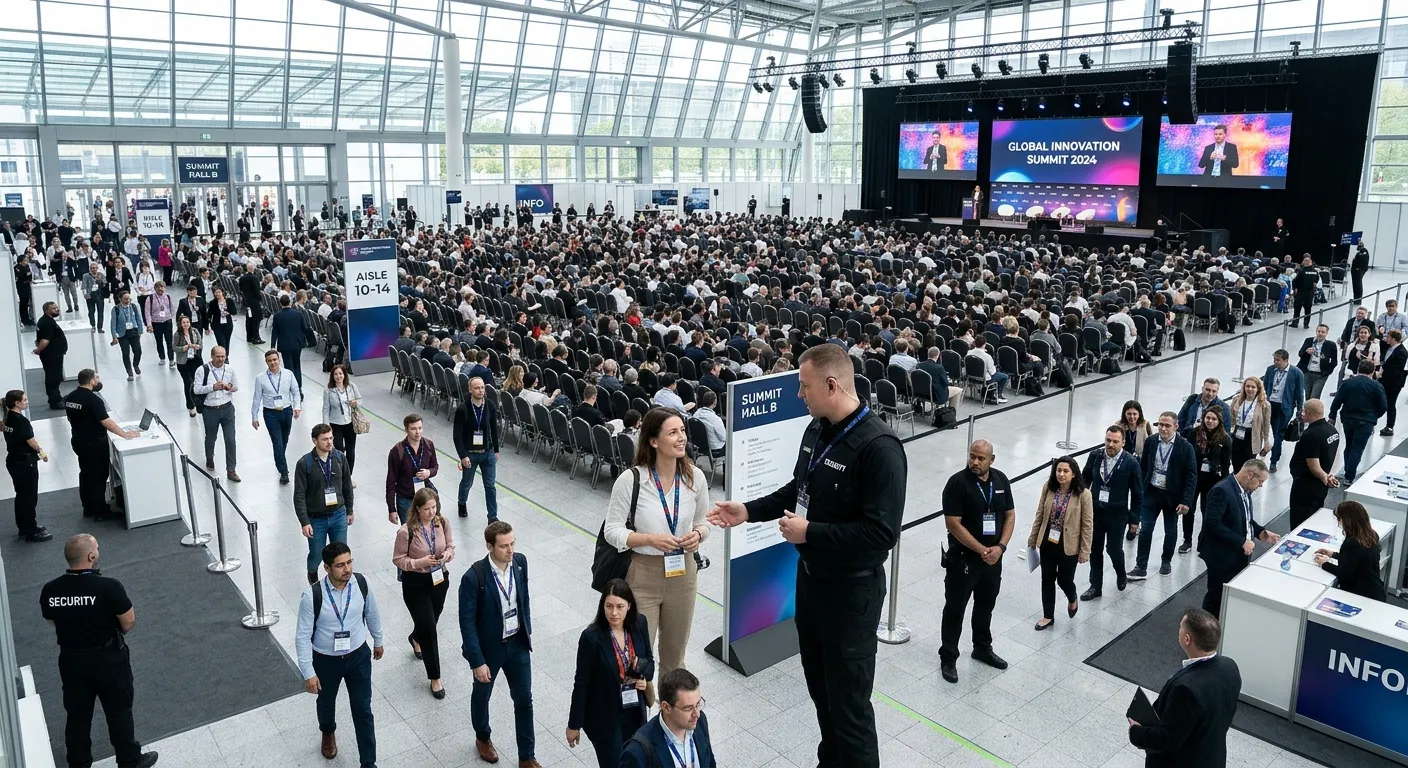
A Multi-Layered Approach to Safety
Understanding What Is Event Security requires examining its core components. Use the tabs below to explore the critical pillars of a successful security operation.
The Foundation: Strategic Planning
Security begins long before the first guest arrives. A thorough risk assessment identifies potential threats—from crowd crushes and severe weather to terrorist threats and cyber-attacks on ticketing systems. This phase involves liaising with local authorities, reviewing venue blueprints, and establishing clear chains of command. The goal is a robust Event Security Plan (ESP) that serves as the operational bible for all staff.
Pro-Tip:
Leverage modern talent acquisition strategies to find planners with crisis management experience. Resources like our guide on Candidate Screening Strategies For 2026 can help you identify individuals skilled in threat assessment and strategic planning.
The Human Element: Deploying the Right Team
A plan is only as good as the people executing it. Event security personnel are not a monolithic group; they require specialized roles:
- Access Control Officers: Manage entry points, ticket validation, and bag searches.
- Crowd Management Stewards: Monitor attendee flow, manage queues, and de-escalate tensions.
- Close Protection Officers: Provide discrete security for VIPs, speakers, or performers.
- Control Room Operatives: Monitor CCTV and coordinate radio communications.
- First Aid & Medical Responders: Handle medical emergencies on-site.
Partnering with a specialist agency ensures you get personnel who are not only SIA-licensed but also trained for your specific event type, be it a music festival, corporate gala, or sporting event.
Force Multipliers: Leveraging Security Tech
Technology extends the reach and effectiveness of your security team. Modern event security integrates:
- AI-Powered CCTV Analytics: Software that can detect unusual crowd patterns, unattended bags, or perimeter breaches in real-time.
- Access Control Systems: From RFID wristbands for cashless payments and zone access to biometric scanners for backstage areas.
- Communication Networks: Encrypted digital radio systems (like DMR or TETRA) that ensure clear, secure communication across large sites.
- Drone Surveillance: For monitoring large outdoor perimeters or tracking crowd movement from above.
When Things Go Wrong: Prepared Response
The true test of event security is its response to incidents. A comprehensive plan outlines clear protocols for:
- Medical Emergencies: Location of defibrillators, first-aid stations, and designated ambulance routes.
- Evacuations: Audible and visible alarm systems, clearly signed exit routes, and staff trained in evacuation procedures.
- Security Breaches: Protocols for handling trespassers, suspected terrorist activity, or active threats.
- Natural Disasters: Severe weather shelters and communication plans.
Regular table-top exercises and live drills with your security team and local emergency services are non-negotiable for preparedness.
Why Professional Event Security is Non-Negotiable
Duty of Care & Legal Compliance
Event organizers have a legal and moral duty of care to provide a safe environment. Professional security mitigates liability, ensures compliance with local safety regulations (like the UK's Purple Guide), and protects your brand from reputational damage caused by a poorly managed incident.
Enhanced Attendee Experience
Effective security is invisible to the well-behaved majority. Smooth entry processes, clear signage, and a visible yet unobtrusive security presence create an atmosphere of safety that allows guests to relax and enjoy the event, leading to positive reviews and higher return rates.
Asset & Revenue Protection
From expensive audio-visual equipment and staging to merchandise stock and cashless payment systems, events have significant physical and financial assets. Security personnel deter theft, vandalism, and fraud, directly protecting your bottom line. This principle applies across sectors, much like securing inventory in a warehouse, a service detailed for roles like Warehouse Operative Jobs In Luton.
Finding & Hiring Elite Event Security Personnel
The cornerstone of answering What Is Event Security is the quality of your team. You cannot afford to cut corners on staffing. Specialized agencies provide a critical advantage:
- Vetting & Compliance: They handle rigorous background checks, SIA license verification, and right-to-work checks, ensuring every operative is legally compliant and trustworthy.
- Rapid Scalability: Need 10 staff or 100? Agencies can scale your team up or down at short notice, a flexibility crucial for events with fluctuating needs or last-minute changes.
- Specialist Training: The best agencies provide additional, event-specific training (e.g., conflict de-escalation for festivals, corporate hospitality etiquette for galas).
This level of specialized staffing mirrors the approach needed in other critical support roles. For instance, maintaining a pristine and safe venue environment often requires dedicated cleaning crews, a service you can find through a reliable Housekeeping Staffing Agency Near Me. Similarly, the logistical backbone of many large events relies on efficient warehouse operations for staging and supplies, highlighting the value of agencies that provide immediate-start warehouse staff.
Post Your Security Job NowThe Cost of Getting It Wrong
Under-investing in professional security carries immense hidden costs:
- Financial Liability: Lawsuits from injuries, property damage, or cancelled events can be catastrophic.
- Reputational Damage: A single viral video of a security failure can tarnish a brand for years.
- Operational Chaos: Poorly trained staff can exacerbate incidents, leading to longer disruptions and higher recovery costs.
Strategic Insight:
Investing in a vetted, professional security team through a reputable staffing partner is not an expense; it's a strategic insurance policy for your event's success and your organization's future. For a deeper dive into building elite teams, explore our resource on Find Talent In 2026.
The Logistics of Large-Scale Staffing
Coordinating security for a major event shares logistical DNA with other large-scale workforce deployments. Understanding how to mobilize, manage, and communicate with a large temporary team is a transferable skill. The following video, while focused on warehouse staffing, reveals core principles of rapid, reliable scaling that are directly applicable to event security operations.
Applying these principles of clear communication, defined roles, and centralized coordination is how agencies like Workers-Direct ensure your event security team operates as a seamless, effective unit, much like the efficient teams described for construction projects or specialist event crew.
Integrating Security with Overall Event Operations
Modern event security does not operate in a silo. It is an integrated component of the wider event management ecosystem. This requires close collaboration between security leads and other department heads:
- Production & Stage Management: Security must be aware of pyrotechnics schedules, artist movements, and load-in/out times for equipment.
- Guest Services & Hospitality: Coordinating with ushers, concierge, and catering to manage VIP areas and resolve guest issues diplomatically.
- Marketing & Communications: Aligning on public messaging regarding bag policies, prohibited items, and entry procedures to set clear attendee expectations.
- Venue Management: Understanding the building's inherent security features, alarm systems, and maintenance schedules.
This holistic approach ensures security measures enhance, rather than hinder, the attendee journey. It's a philosophy of service that aligns with the high standards expected in all temporary staffing, from temporary cleaning staff who maintain venue hygiene to administrative support that keeps operations running smoothly.
Checklist: Pre-Event Security Briefing
- All staff have valid ID/SIA badges visible.
- Radio channels and call signs are assigned and tested.
- Emergency evacuation routes and assembly points are confirmed.
- Key contacts (Police, Medical, Venue Manager) are distributed.
- Search procedures for prohibited items are standardized.
Frequently Asked Questions About Event Security
How far in advance should I book event security staff?
For large or complex events (festivals, major conferences), initiate planning and secure a staffing agency partner 3-6 months in advance. This allows for detailed risk assessments, venue walkthroughs, and the vetting of specialized personnel. For smaller events, a lead time of 4-8 weeks is advisable. However, reputable agencies like Workers-Direct specialize in last-minute staffing solutions when necessary, leveraging deep pools of vetted candidates—a capability highlighted in resources like How To Book Temporary Staff Quickly.
What's the difference between an SIA Door Supervisor and an Event Security Steward?
Both require an SIA license, but their training and typical roles differ. An SIA Door Supervisor license focuses more on physical intervention, conflict management, and door control, often suited for nightlife venues. An Event Security Steward (often holding the Public Space Surveillance (CCTV) or Security Guarding license) is trained specifically for crowd dynamics, customer service in large spaces, evacuation procedures, and working as part of a large, coordinated team. The right agency will deploy personnel with the most appropriate license and supplementary training for your event's specific needs.
Can event security staff also handle basic cleaning or housekeeping duties?
Generally, no. Security personnel are hired and trained for specific safety and protection roles. Their focus must remain on threat detection, access control, and crowd management. For venue cleanliness and upkeep, you should engage a dedicated Housekeeping Staffing Agency Near Me. This ensures both functions are performed by specialists, leading to higher standards in both areas. Agencies like Workers-Direct can provide cohesive teams for both functions, streamlining your vendor management. For insights into the specific tasks and standards of professional cleaning, see Master Housekeeping Aufgaben For 2026.
How do you measure the success of an event security operation?
Success metrics go beyond the absence of major incidents. Key Performance Indicators (KPIs) include: Entry Queue Times (targets met), Incident Report Numbers (and severity), Attendee & Client Feedback on perceived safety, Staff Responsiveness to radio calls, and Post-Event Debrief outcomes identifying improvements. A successful operation is proactive, discreet, and integrated, leaving attendees feeling safe but not surveilled. Analyzing these metrics is part of a continuous improvement cycle, similar to optimizing hiring processes as discussed in Optimize Employee Hiring Process: 2026 Expert Guide.
Ready to Elevate Your Event Security?
Now that you understand What Is Event Security in depth, the next step is action. Partner with a staffing specialist that provides more than just bodies in uniforms. We deliver vetted, trained, and reliable security professionals who become a seamless extension of your event team.
From Five Star Security & Event Staffing for your front line to logistical support roles, we provide the complete workforce ecosystem for your success. Contact our team for a bespoke consultation.
From Plan to Practice: A Corporate Gala Case Study
To illustrate the interconnected principles of planning, staffing, and technology, consider the following real-world scenario of securing a high-profile 500-guest awards ceremony at a historic London venue.
The Challenge & Strategic Response
The event presented multiple unique challenges: a guest list including high-net-worth individuals and minor celebrities, a venue with multiple ornate but narrow access points, a red-carpet arrival under public scrutiny, and the need for an elegant, unobtrusive security presence. The risk assessment flagged VIP protection, crowd bottlenecks at bars, and the potential for unauthorized media intrusion as top priorities.
The security lead, sourced through a specialist agency, initiated a layered perimeter strategy. A discreet outer ring of plain-clothes operatives monitored the approach streets, while uniformed but courteous access control staff managed the main entrance with integrated RFID ticket scanners. Inside, crowd stewards in tailored suits focused on fluid guest movement, while a dedicated two-person close protection team shadowed the highest-profile attendees.
Key Takeaway:
The agency provided personnel trained in corporate hospitality etiquette alongside traditional security skills. This ensured de-escalation was handled with diplomacy, and interactions enhanced the guest experience rather than detracting from it. This level of role-specific training is what separates a generic security guard from a true event security professional.
Operational Breakdown & Results
-
1Technology Integration: Temporary AI-enabled cameras were installed at choke points, alerting the control room to stationary crowds forming, allowing stewards to proactively intervene before queues developed.
-
2Communication Efficacy: The use of discrete earpieces and encrypted digital radios allowed for silent, real-time coordination between the plain-clothes team, door staff, and control room, ensuring a swift but unseen response to a suspected pickpocket.
-
3Post-Event Analysis: Debrief data showed a 40% reduction in entry time compared to the previous year's event and zero serious incidents. Client feedback specifically praised the"seamless and professional" security presence.
Beyond Control: The Psychology of Effective Crowd Management
A critical, often overlooked aspect of What Is Event Security is the psychological understanding of crowd behavior. Modern security is less about forceful control and more about intelligent influence and guidance.
- Informational Influence: Clear, consistent signage and proactive announcements (e.g.,"The left queue has a shorter wait") prevent uncertainty and frustration, which are primary triggers for crowd tension.
- Architectural Cues: Strategic placement of barriers, landscaping, and lighting naturally funnels crowds along desired routes, reducing the need for direct intervention.
- De-escalation as a Default: Training focuses on the"verbal judo" of calm, empathetic communication, recognizing that an agitated individual is often a scared or frustrated one. The goal is to solve the person's problem, not just suppress their behavior.
This human-centric approach requires staff with high emotional intelligence. A top-tier staffing agency assesses for these soft skills during vetting, ensuring your team contains natural communicators and problem-solvers, not just physical enforcers.
On the Horizon: Emerging Trends in Event Security
The field of event security is evolving rapidly. Staying ahead means understanding the technologies and methodologies that will define best practices in the coming years.
Predictive Analytics & Data Fusion
Future security operations centers will not just monitor live feeds but will run predictive software. By fusing data from ticket sales (demographics, purchase patterns), social media sentiment analysis, real-time weather reports, and historical incident data from similar events, AI will be able to forecast potential crowd density issues or identify elevated risk periods.
This allows for dynamic resource allocation—pre-emptively moving staff to a stage exit before a headline act finishes, for example. This data-driven mindset is becoming essential across all project management, akin to the analytics used in optimizing warehouse logistics and staffing.
Biometric Integration & Frictionless Flow
The future of access control is moving towards truly frictionless entry. Pre-registered facial recognition or palm-vein scanning at entry points can drastically speed up ingress while enhancing security through positive identification. This technology can also be used for age verification at bars and controlled access to VIP lounges.
The key challenge will be balancing this efficiency with rigorous data privacy standards and providing clear opt-outs for attendees. The security personnel of tomorrow will need to be as proficient in explaining data protocols as they are in checking tickets.
The Constant: The Human Expert
Despite these technological advances, the role of the skilled, vetted human operative will remain irreplaceable. Technology provides tools and data; humans provide judgment, empathy, and the ability to interpret nuanced situations. The most effective future security teams will be hybrid units, where tech-savvy operatives use advanced tools to enhance their innate human skills of perception and communication. Building such a team starts with a strategic staffing partner committed to forward-thinking recruitment and training.