
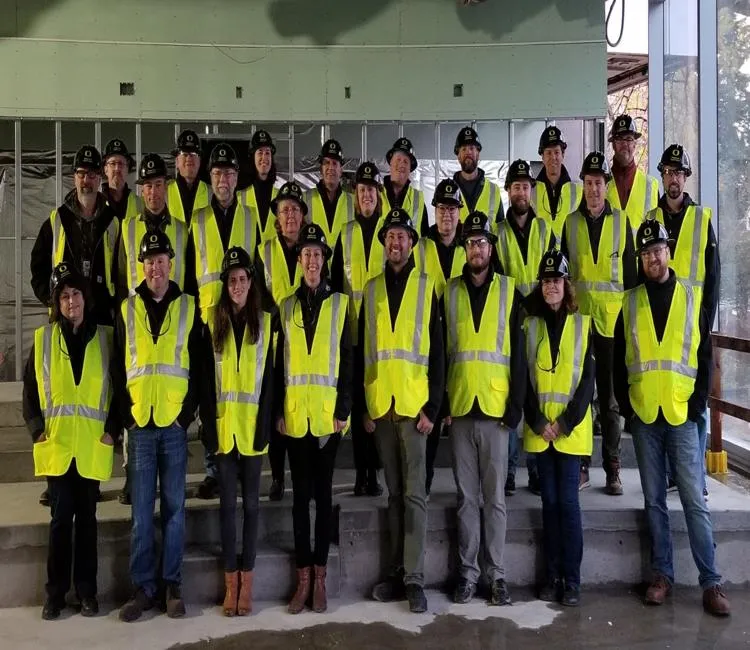
















Workers Direct: July 2025 Openings for Labourer Roles in Sunderland

Job Description: Labourer Roles in Sunderland
Main Responsibilities:
• Perform manual labour tasks on construction sites
• Assist skilled tradespeople with various tasks
• Load and unload building materials and equipment
• Operate basic hand and power tools
• Maintain a clean and safe work environment
• Follow safety procedures and wear appropriate protective gear
• Assist with site preparation and cleanup
• Mix and pour concrete, mortar, and other materials
• Erect and dismantle scaffolding and temporary structures
Required Skills & Qualifications:
• Physical fitness and stamina
• Ability to lift heavy objects (up to 50 lbs)
• Basic numeracy and literacy skills
• Good communication and teamwork abilities
• Attention to detail and ability to follow instructions
• Willingness to work in all weather conditions
• Valid CSCS card (preferred)
• Full UK driving licence (beneficial)
Experience:
• Entry-level positions may not require previous experience
• 1-2 years of experience in construction or related field preferred for some roles
Various Labourer Roles in Sunderland:
1. General Construction Labourer
2. Groundworker
3. Demolition Labourer
4. Scaffolding Labourer
5. Highway Maintenance Labourer
6. Warehouse Labourer
7. Factory Labourer
8. Landscape Labourer
9. Bricklayer's Labourer
10. Housebuilding Labourer
Pay Rates for Labourer Roles in Sunderland:
• Entry-level: £12.21 – £12.50 per hour
• Experienced: £13.00 – £13.50 per hour
• Specialized Roles: £14.00 – £15.00 per hour
• Night shift or weekend work may attract higher rates
• Some roles may offer overtime opportunities at 1.5x or 2x regular pay
Pay rates may vary depending on the employer, specific role, and level of experience.
Introduction
Sunderland, a city in the North East of England, has a rich industrial heritage that has shaped its workforce and economy for generations. From its shipbuilding past to its modern manufacturing and service sectors, Sunderland has always relied on the skills and dedication of its labourers. We explore the various labourer roles in Sunderland, examining their historical significance, current state, and future prospects. We'll delve into the diverse industries that employ labourers, the skills required for these roles, and the challenges and opportunities faced by workers in the city.
Historical Context of Labour in Sunderland
To understand the current landscape of labourer roles in Sunderland, it's essential to look back at the city's industrial history. For centuries, Sunderland was renowned for its shipbuilding industry, which employed thousands of skilled and unskilled labourers. The River Wear was lined with shipyards, and the sound of hammering and welding was a constant backdrop to city life. Alongside shipbuilding, coal mining was another significant employer, with many labourers working in the nearby collieries.
As these traditional industries declined in the latter half of the 20th century, Sunderland faced significant economic challenges. However, the city has shown remarkable resilience, adapting to new industries and creating fresh opportunities for its workforce. This transition has had a profound impact on the types of labourer roles available and the skills required to succeed in the modern job market.

Current Labourer Roles in Manufacturing
While shipbuilding may no longer dominate Sunderland's economy, manufacturing remains a crucial sector for labourer employment. The city has successfully attracted international companies and fostered local businesses, creating a diverse range of manufacturing jobs. One of the most significant employers is Nissan, whose car manufacturing plant in Sunderland is the largest in the UK. This facility provides numerous roles for labourers, including assembly line workers, machine operators, and quality control inspectors.
Beyond automotive manufacturing, Sunderland hosts a variety of other industries that require skilled and semi-skilled labourers. These include aerospace components, electronic goods, and precision engineering. Labourers in these sectors often work with advanced machinery and technology, requiring a blend of traditional manual skills and modern technical knowledge.
Construction and Infrastructure Labourer Roles
The construction industry is another significant employer of labourers in Sunderland. As the city continues to develop and regenerate, there is a constant demand for workers in various construction roles. These include general labourers, bricklayers, carpenters, electricians, and plumbers. Many of these roles require specific qualifications and apprenticeships, providing opportunities for career progression and specialization.
Infrastructure projects also create employment for labourers in Sunderland. Road maintenance, railway upgrades, and utility works all require a skilled workforce. These roles often involve physical labour but may also incorporate the use of specialized equipment and adherence to strict safety protocols.
Warehouse and Logistics Labourer Roles
With the growth of e-commerce and Sunderland's strategic location, the warehouse and logistics sector has become an increasingly important source of labourer roles. Large distribution centers require workers for a variety of tasks, including order picking, packing, and forklift operation. These roles often involve shift work and can be physically demanding, but they also offer opportunities for advancement into supervisory or management positions.
The Port of Sunderland, although smaller than in its heyday, still provides employment for dock workers and other maritime-related roles. As the port continues to develop and diversify its services, it may offer more opportunities for labourers in the future.
Agricultural and Horticultural Labourer Roles
While Sunderland is primarily an urban area, the surrounding rural regions of County Durham and Northumberland provide agricultural and horticultural labourer roles. These jobs are often seasonal and can include fruit and vegetable picking, livestock handling, and general farm work. Although not as numerous as in other parts of the country, these roles play an important part in the local economy and offer opportunities for those who prefer outdoor work.
Service Industry Labourer Roles
The service industry in Sunderland has grown significantly in recent years, creating a range of labourer roles that differ from traditional manual labour. These include positions in hospitality, retail, and facilities management. While not always classified as 'labourers' in the traditional sense, many of these roles involve physical work and practical skills.
For example, kitchen porters in restaurants, stock handlers in retail stores, and cleaning staff in hotels all perform essential labour that keeps businesses running smoothly. These roles often provide entry-level opportunities for those new to the workforce or looking to change careers.
Skills and Qualifications for Labourer Roles
The skills required for labourer roles in Sunderland vary widely depending on the specific job and industry. However, there are some common attributes that are valuable across many positions. Physical fitness and stamina are often essential, as many roles involve lifting, carrying, or standing for long periods. Manual dexterity and hand-eye coordination are also important for tasks ranging from assembly line work to construction.
In addition to physical capabilities, many modern labourer roles require a degree of technical knowledge. This might include the ability to operate computerized machinery, understand technical drawings, or follow complex safety procedures. As such, continuous learning and adaptability are increasingly important traits for labourers in Sunderland.
Formal qualifications vary by role, but many positions now require specific certifications or licenses. For example, construction workers may need a Construction Skills Certification Scheme (CSCS) card, while forklift operators require specific training and certification. Apprenticeships are also becoming more common, offering a structured path to skilled labourer roles.
Challenges Facing Labourers in Sunderland
Despite the diverse range of opportunities, labourers in Sunderland face several challenges. Job security can be an issue, particularly in industries vulnerable to economic fluctuations or automation. The physical nature of many labourer roles can also lead to health and safety concerns, highlighting the importance of proper training and protective equipment.
Another significant challenge is wage stagnation. While some specialized labourer roles command good salaries, many entry-level positions offer wages that have struggled to keep pace with the cost of living. This can make it difficult for workers to progress and can impact the attractiveness of labourer roles to younger generations.
Future Prospects for Labourer Roles in Sunderland
Looking to the future, the landscape of labourer roles in Sunderland is likely to continue evolving. The city's commitment to regeneration and economic diversification suggests that construction and manufacturing roles will remain important. However, the nature of these jobs may change with the increasing adoption of new technologies.
The growing emphasis on sustainability and green energy could create new opportunities for labourers. For example, the installation and maintenance of solar panels or wind turbines may become more prevalent roles. Similarly, as Sunderland continues to develop its digital and creative sectors, new types of technical and practical roles may emerge that blend traditional labour skills with modern technology.
Education and training will be crucial in preparing Sunderland's workforce for these future roles. Collaboration between employers, educational institutions, and local government will be essential to ensure that labourers have the skills needed to thrive in the changing job market.
Conclusion
Labourer roles in Sunderland have undergone significant changes over the years, reflecting the city's industrial evolution and economic resilience. From the decline of traditional shipbuilding to the rise of modern manufacturing and service industries, Sunderland's labourers have continually adapted to new challenges and opportunities.
Today, the city offers a diverse range of labourer roles across various sectors, each requiring a unique set of skills and qualifications. While challenges such as job security and wage stagnation persist, there are also opportunities for career progression and specialization.
As Sunderland looks to the future, the nature of labourer roles will likely continue to evolve. The integration of new technologies, the focus on sustainability, and the growth of emerging industries will shape the skills and attributes required of labourers. By embracing these changes and investing in education and training, Sunderland can ensure that its labourer workforce remains a vital and valued part of the city's economy for generations to come.
FAQs – Find Labourer Roles in Sunderland with Team Workers Direct
1. What are common labourer roles available in Sunderland?
Answer: Common labourer roles in Sunderland include construction workers, factory operatives, warehouse staff, landscapers, and general labourers.
2. Do I need qualifications for labourer jobs in Sunderland?
Answer: Most entry-level labourer positions don't require formal qualifications. However, some roles may require specific certifications, such as CSCS cards for construction work.

3. What is the average pay for labourers in Sunderland?
Answer: The average pay for labourers in Sunderland varies but typically ranges from £8.50 to £12 per hour, depending on the specific role and experience level.
4. Are there opportunities for career progression in labourer roles?
Answer: Yes, many labourer roles offer opportunities for career progression. With experience and additional training, you can advance to supervisory positions or specialize in specific trades.
5. What are the typical working hours for labourers in Sunderland?
Answer: Working hours can vary, but most labourer roles involve full-time work, typically 37-40 hours per week. Some positions may require shift work or occasional overtime, especially in construction and manufacturing sectors.
WHY CHOOSE OUR TEAM WORKERS DIRECT – THE PLACEMENT INDUSTRY? |
CONTACT INFORMATION |
|---|---|
|
|